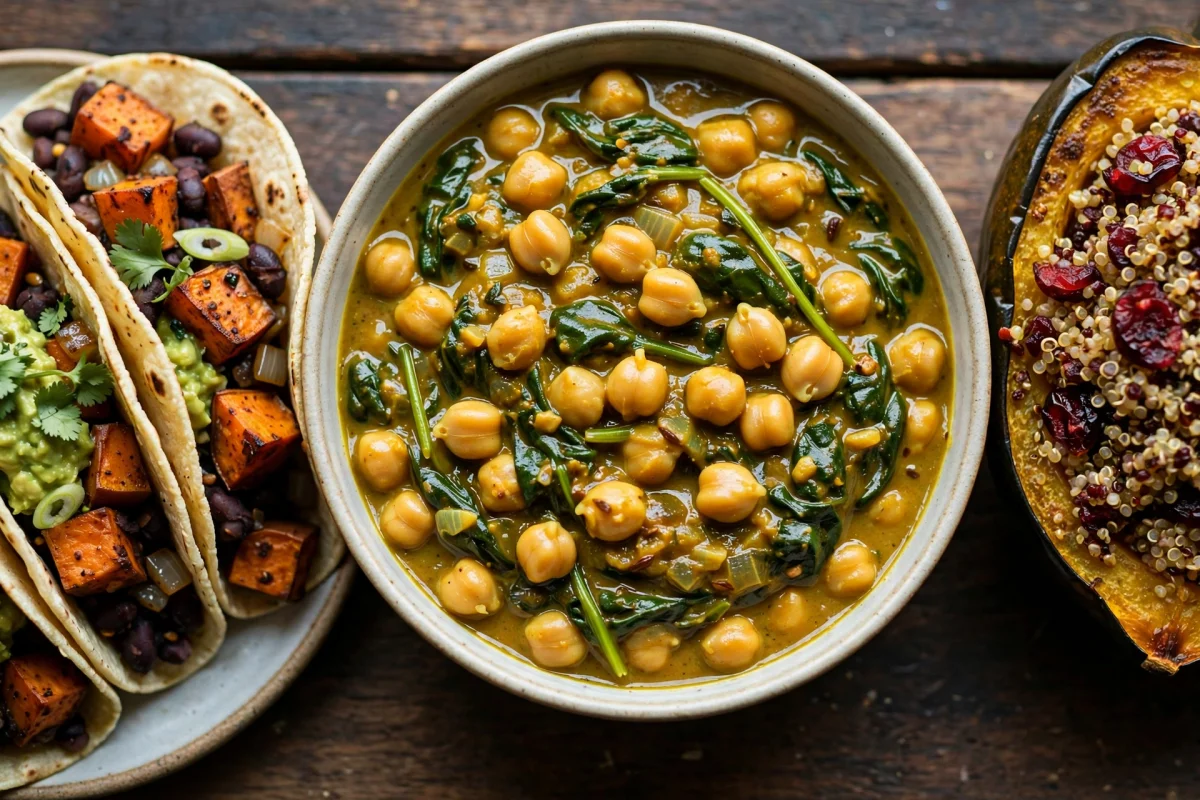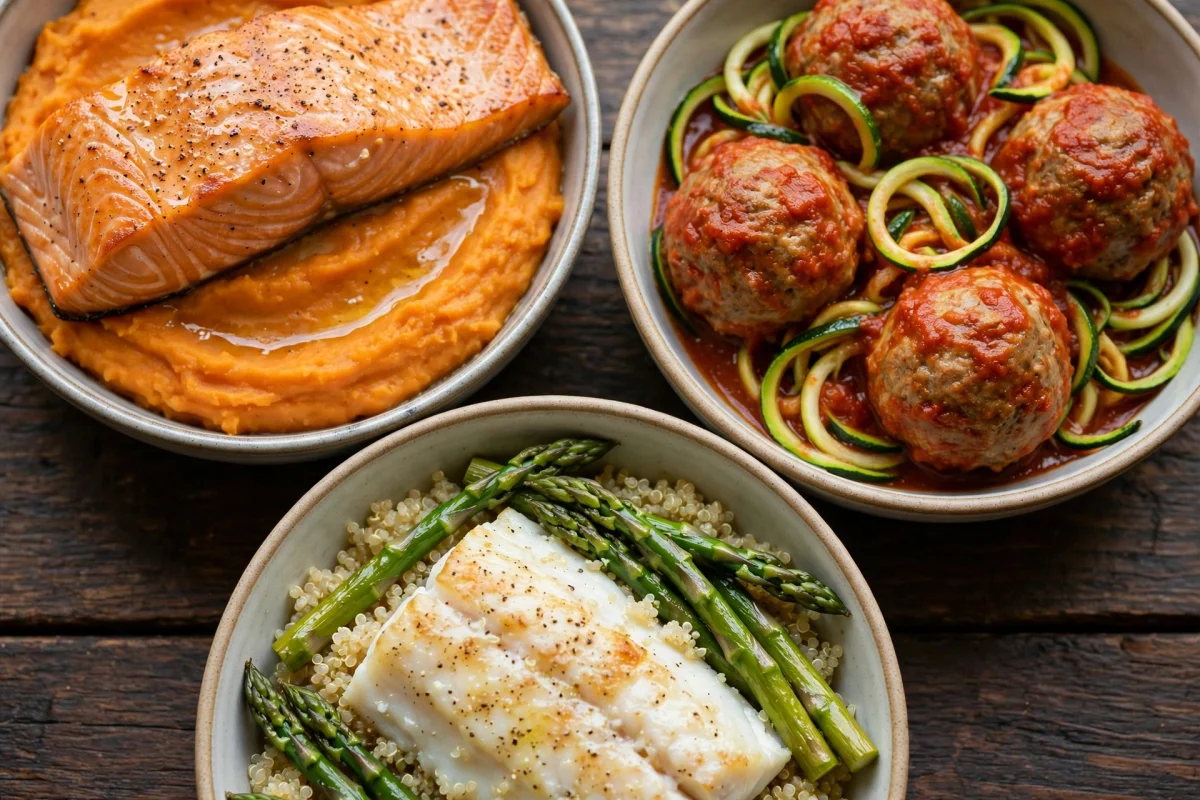
What Is a First Trimester Diet?
A first trimester pregnancy diet plan is a structured, nutrient-focused way of eating designed specifically for the first 12 weeks of pregnancy, the critical window when your baby’s brain, spinal cord, heart, and major organs are forming.
Unlike a generic diet, it zeroes in on a handful of nutrients that your developing baby cannot do without, most importantly folate, iron, protein, calcium, vitamin D, and DHA omega-3s.
The first three months of pregnancy, known as the first trimester, are a period of incredibly rapid growth and development for your baby.
Even though your baby is still tiny, the foundations for their brain, spinal cord, and major organs are being laid down right now.
If you are in your first trimester, your body is undergoing massive hormonal shifts. The most common problems women face during this time are nausea, bloating, feeling incredibly tired, or being repulsed by foods you used to love.
This is a completely normal experience caused by rising levels of hCG (human chorionic gonadotropin) and estrogen.
If you are struggling to figure out the best food for the first trimester, you are in the right place. This pregnancy diet meal plan is for the woman who wants to do everything right but is suddenly hit with waves of exhaustion and morning sickness.
Benefits of this Healthy Pregnancy Diet for First Trimester
Focusing on a nutrient-dense pregnancy diet during your first three months of pregnancy offers incredible real-life benefits that support both your immediate well-being and your baby’s long-term health.
Here is what you can expect when you prioritize the right early pregnancy diet in the first trimester:
- Reduced Nausea and Fatigue: By focusing on complex carbohydrates and protein-rich foods, you can stabilize your blood sugar levels, which significantly helps in reducing the severity of morning sickness and the deep exhaustion common in early pregnancy.
- Proper Neural Tube Development: Consuming foods rich in natural folate (and taking your prenatal vitamin) drastically reduces the risk of neural tube defects, ensuring your baby’s brain and spinal cord develop perfectly.
- Improved Digestion: A 1st trimester diet high in fiber from fruits, vegetables, and whole grains helps combat the notorious pregnancy constipation caused by rising progesterone levels.
- Healthy Placenta Formation: Protein and iron are the building blocks for the placenta, the vital organ that will nourish your baby for the rest of your pregnancy. Eating enough of these ensures a strong foundation.
- Steady Weight Management: A balanced pregnancy diet plan provides the right amount of calories and nutrients without unnecessary empty calories, helping you maintain a healthy weight gain trajectory from the very beginning.
- Better Hydration: Focusing on water-rich foods and adequate fluids supports your expanding blood volume and helps maintain healthy amniotic fluid levels.
1 to 3 Month Pregnancy Diet Chart
This 1- to 3-month pregnancy diet chart breaks your first trimester into three distinct phases: Month 1, Month 2, and Month 3, because your baby’s nutritional needs shift as development progresses.
Each month has its own developmental focus, so the foods that matter most in week 4 are slightly different from those that matter most in week 12.
Think of this as a flexible template, not a rigid prescription. Your appetite will fluctuate, nausea will come and go, and some days you may only manage crackers and ginger tea, and that is perfectly okay.
Month 1 (Weeks 1–4): The Foundation Phase
During the first month, your baby’s neural tube, which will become the brain and spinal cord, is already forming, often before you even know you’re pregnant.
Folate is the absolute priority nutrient right now, alongside iron to begin expanding your blood volume and protein to support early cell division.
| Meal Time | Vegetarian Options | Non-Vegetarian Options | Daily Nutrient Target |
|---|---|---|---|
| Early Morning (on waking) | Warm water with lemon + 4–5 soaked almonds | Warm water with lemon + 4–5 soaked almonds | Folate, Vitamin E, hydration |
| Breakfast | Oats with milk + sliced banana + 1 tbsp chia seeds | 2 scrambled eggs + whole-grain toast + orange slices | Folate, protein, fiber, Vitamin C |
| Mid-Morning Snack | 1 apple + 1 glass coconut water | 1 apple + 1 hard-boiled egg | Iron, potassium, hydration |
| Lunch | Brown rice + dal + spinach sabzi + curd | Grilled chicken + brown rice + leafy greens + curd | Protein, iron, calcium, folate |
| Afternoon Snack | Moong sprouts chaat + buttermilk | Roasted chickpeas + cucumber sticks | Protein, fiber, calcium |
| Dinner | Paneer tikka + quinoa + mixed vegetables | Baked fish (salmon/cod) + quinoa + vegetables | Protein, DHA, calcium |
| Bedtime | Turmeric milk (haldi doodh) + 2 walnuts | Turmeric milk (haldi doodh) + 2 walnuts | Calcium, healthy fats, better sleep |
Month 2 (Weeks 5–8): The Organ Development Phase
By the second month, your baby’s major organs, such as the heart, liver, kidneys, are forming, and a tiny heartbeat may already be detectable.
Protein needs climb, iron becomes even more critical for red blood cell production, and Vitamin B6 can help take the edge off the nausea that often peaks around weeks 6–8.
| Meal Time | Vegetarian Options | Non-Vegetarian Options | Daily Nutrient Target |
|---|---|---|---|
| Early Morning (on waking) | Ginger tea + 2 dry dates | Ginger tea + 2 dry dates | Vitamin B6 (anti-nausea), iron |
| Breakfast | Veggie poha with peanuts + 1 glass milk | Egg bhurji (scrambled eggs) + whole-wheat toast | Protein, iron, complex carbs |
| Mid-Morning Snack | Banana + handful of walnuts | Banana + handful of walnuts | Potassium, omega-3s |
| Lunch | 2 rotis + palak dal + mixed vegetable curry + curd | Grilled chicken curry + 2 rotis + vegetables + curd | Protein, iron, calcium, fiber |
| Afternoon Snack | Roasted chickpeas + green tea (limit to 1 cup) | Chicken or fish tikka + mint chutney | Protein, antioxidants |
| Dinner | Tofu stir-fry + foxtail millet + saag | Grilled fish + foxtail millet + leafy greens | Protein, DHA, iron, folate |
| Bedtime | Almond milk with a pinch of cinnamon | Almond milk with a pinch of cinnamon | Calcium, healthy fats |
Month 3 (Weeks 9–12): The Growth & Bones Phase
In the third month, your baby’s bones and teeth begin to harden, making calcium and Vitamin D the headline nutrients.
DHA becomes crucial for brain and eye development, and your blood volume keeps rising, so iron intake must stay high.
This is also when nausea often starts to ease, so you can introduce a wider variety of foods into your first trimester pregnancy diet.
| Meal Time | Vegetarian Options | Non-Vegetarian Options | Daily Nutrient Target |
|---|---|---|---|
| Early Morning (on waking) | Warm water + 4–5 soaked almonds + 1 fig | Warm water + 4–5 soaked almonds + 1 fig | Calcium, iron, fiber |
| Breakfast | Idli-sambar + coconut chutney + milk | 2 boiled eggs + oats with berries | Protein, calcium, folate |
| Mid-Morning Snack | Kiwi + guava + handful of pumpkin seeds | Kiwi + guava + handful of pumpkin seeds | Vitamin C, zinc, iron absorption |
| Lunch | Quinoa pulao + rajma + curd + salad | Grilled chicken + quinoa + kidney beans + salad | Protein, calcium, iron, fiber |
| Afternoon Snack | Greek yogurt + berries + flaxseeds | Tuna salad (canned light) on whole-grain crackers | Calcium, DHA, protein |
| Dinner | Paneer and vegetable khichdi + kadhi | Baked salmon + sweet potato + broccoli | Protein, DHA, Vitamin A, calcium |
| Bedtime | Warm milk with turmeric + 2 dates | Warm milk with turmeric + 2 dates | Calcium, iron, better sleep |
How to Customize This Diet Chart
Your first trimester will not look like anyone else’s, and that is completely normal. Here are practical ways to adapt this 1 to 3 month pregnancy diet chart to your real life:
- If nausea is severe (common in Month 2): Swap larger meals for 6–7 mini-meals. Keep plain crackers or dry toast on your nightstand and eat a few bites before even sitting up in bed. Cold foods like yogurt, fruit, and salads often smell less triggering than hot, cooked dishes.
- If certain smells make you gag: Avoid cooking-heavy meals on bad days. Delegate kitchen duty when possible, and lean on no-cook options like smoothies, nut butter on toast, cheese and crackers, or a handful of nuts with fruit.
- If your appetite is low in Month 1: Do not stress about hitting every meal slot. Prioritize the folate-rich items, such as leafy greens, lentils, fortified cereals, and rely on your prenatal vitamin as backup. Sip water or coconut water throughout the day to stay hydrated.
- If constipation hits (very common by Month 3): Increase fiber from oats, fruits with skin, and legumes, and pair it with extra fluids and a short daily walk. The calcium-rich foods in Month 3 can be binding, so balancing them with fiber is key.
- If you are vegetarian or vegan: Combine iron-rich plant foods (spinach, lentils, fortified cereals) with a Vitamin C source (orange, lemon, tomato) at the same meal to boost absorption. Include a DHA supplement from algal oil, since plant-based omega-3s (ALA) convert poorly to DHA.
- If you have gestational diabetes risk: Choose lower-glycemic grains like quinoa, millet, and oats instead of white rice, and always pair carbohydrates with protein or fat to slow glucose release.
7-Day First Trimester Pregnancy Diet Meal Plan
Welcome to your 7-day pregnancy diet first trimester meal plan. This plan is specifically designed to feature the best food to eat in first trimester, focusing on gentle, easily digestible meals that are rich in folate, iron, and protein. Remember to adjust portion sizes based on your appetite and nausea levels, and always take your prescribed prenatal vitamins.
Day 1
Breakfast:
- Ginger and Pear Oatmeal: A comforting bowl of warm, steel-cut oats cooked with grated fresh ginger (known to ease nausea) and topped with sliced, fiber-rich pears and a sprinkle of walnuts for healthy omega-3 fatty acids.
Lunch:
- Chicken and Lentil Soup: A gentle, easily digestible broth featuring shredded lean chicken breast and red lentils, which are packed with folate and protein. Paired with a side of plain saltine crackers to settle the stomach.
Dinner:
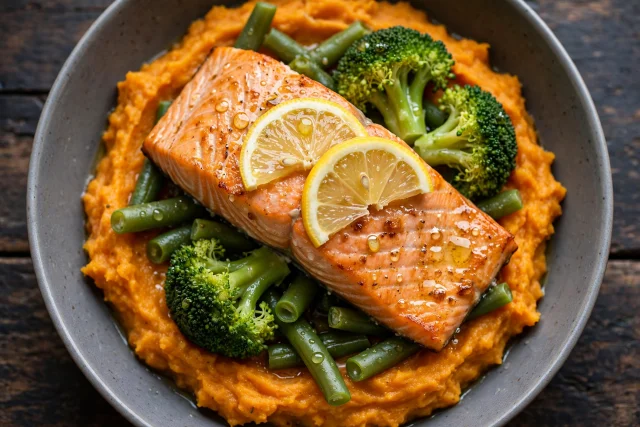
- Baked Salmon with Sweet Potato Mash: A rich source of DHA (crucial for baby’s brain development), baked with a squeeze of lemon. Served alongside mashed sweet potatoes, which are high in Vitamin A and gentle on the digestive system.
Snacks:
- Almond Butter on Banana: A simple, potassium-rich snack. The healthy fats and protein in the almond butter help keep blood sugar stable.
- Plain Greek Yogurt: A high-protein, calcium-rich snack. Opt for plain to avoid excess sugars, and add a drizzle of honey if desired.
Day 2
Breakfast:
- Spinach and Cheese Omelet: Two eggs cooked with a handful of fresh spinach (a fantastic source of natural folate) and a sprinkle of cheddar cheese. Served with one slice of whole-grain toast to help absorb morning nausea.
Lunch:
- Quinoa and Black Bean Salad: Quinoa is a complete protein, while black beans offer great fiber. Tossed with mild cilantro, lime juice, and diced avocados for a dose of healthy fats.
Dinner:
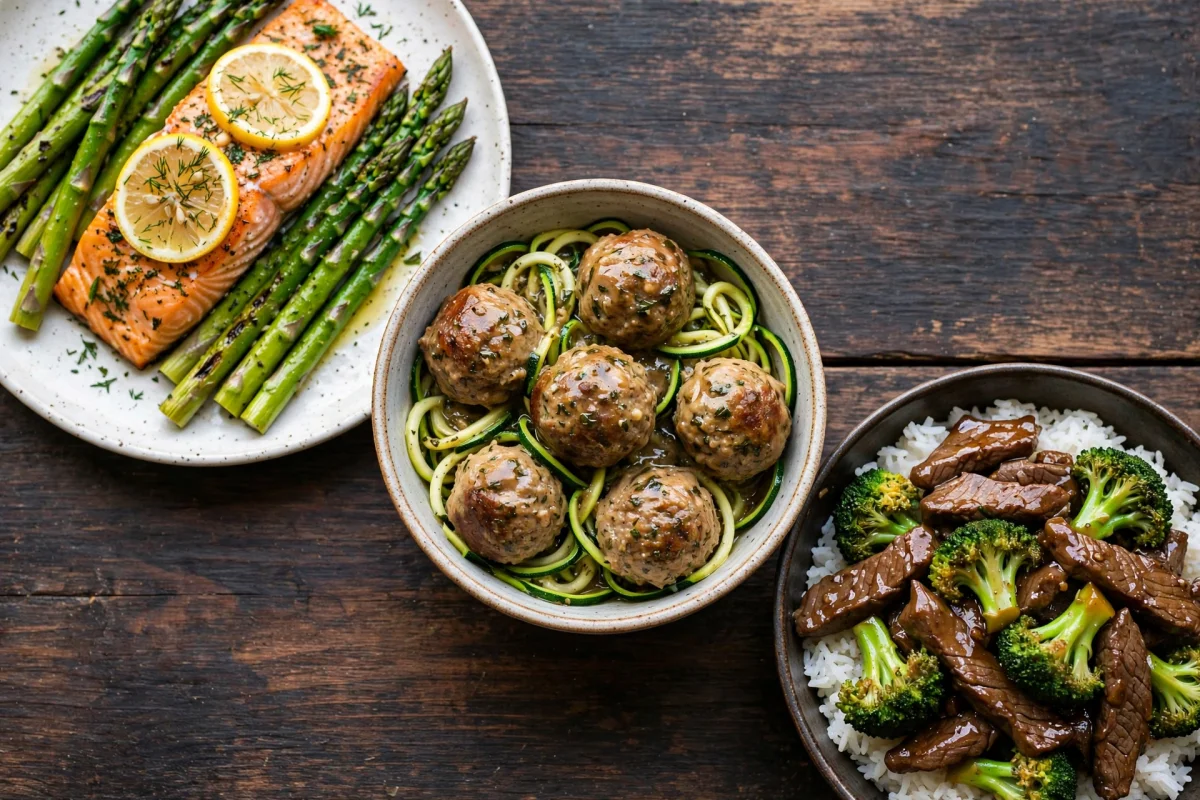
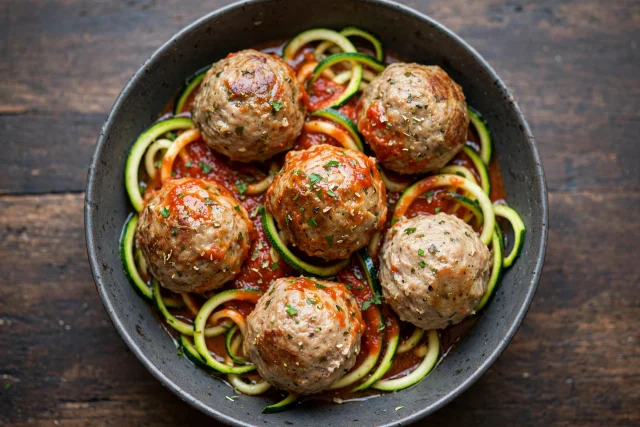
- Lean Turkey Meatballs with Zucchini Noodles: Ground turkey provides easily digestible protein. Paired with spiralized zucchini noodles and a low-sodium marinara sauce for a light but filling meal.
Snacks:
- Edamame Pods: Steamed soybeans are an excellent source of plant-based protein and folate, perfect for a mid-afternoon pick-me-up.
- Apple Slices with Cheese: A crisp apple paired with a slice of hard cheese offers a satisfying crunch and a good hit of calcium.
Day 3
Breakfast:
- Berry Chia Seed Pudding: Made the night before with almond milk, chia seeds (high in Omega-3s and fiber), and topped with low-glycemic blueberries and raspberries for antioxidants and natural sweetness.
Lunch:
- Avocado and Chickpea Sandwich: Mashed chickpeas mixed with a touch of olive oil and lemon juice, topped with sliced avocado on whole-grain bread. This provides a massive fiber and folate boost to support early pregnancy.
Dinner:
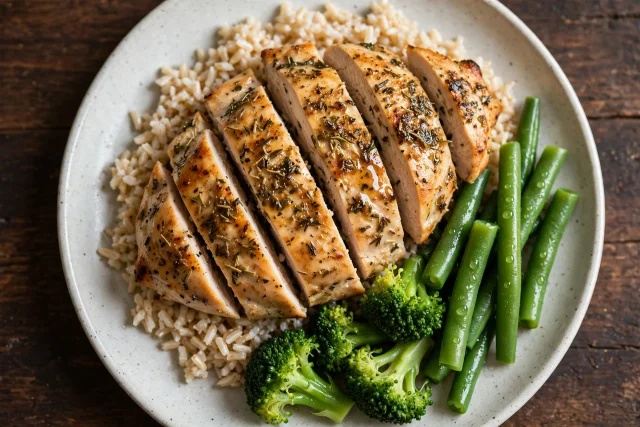
- Baked Chicken Breast with Brown Rice: A classic, comforting meal. The chicken is baked with mild herbs, served with brown rice for complex carbs, and steamed green beans for added vitamins.
Snacks:
- Cottage Cheese with Peaches: Low-fat cottage cheese offers slow-digesting casein protein, while fresh peaches provide hydration and a gentle, sweet flavor.
- Handful of Mixed Nuts: Walnuts, almonds, and cashews provide a quick energy boost and essential minerals like magnesium.
Day 4
Breakfast:
- Whole Wheat Avocado Toast: One slice of whole-grain toast topped with smashed avocado, a sprinkle of hemp seeds, and a poached egg. This combination is an incredible source of healthy fats and protein.
Lunch:
- Tuna Salad Stuffed Bell Peppers: Canned light tuna (low in mercury) mixed with Greek yogurt and celery, stuffed into halved bell peppers. Bell peppers are incredibly high in Vitamin C, which helps absorb iron.
Dinner:
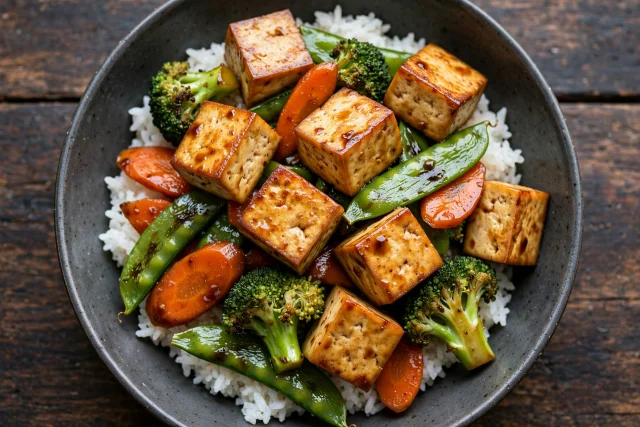
- Tofu and Vegetable Stir-Fry: Firm tofu sautéed with mild vegetables like carrots, snap peas, and broccoli in a low-sodium soy sauce. Served over a small portion of soba noodles for a nutrient-dense dinner.
Snacks:
- Carrot Sticks with Hummus: Crunchy carrots dipped in classic chickpea hummus. A perfect snack for satisfying the craving for crunch while providing fiber.
- Frozen Grapes: A refreshing, hydrating snack that can feel incredibly soothing on a nauseous stomach.
Day 5
Breakfast:
- Protein Smoothie: Blend pasteurized milk or a safe milk alternative with a scoop of pregnancy-safe protein powder, a handful of fresh spinach, a banana, and a tablespoon of peanut butter for a nutrient-packed, easy-to-drink breakfast.
Lunch:
- Mediterranean Quinoa Bowl: Quinoa tossed with diced cucumbers, cherry tomatoes, and a mild lemon-olive oil dressing. Topped with a hard-boiled egg for extra protein.
Dinner:
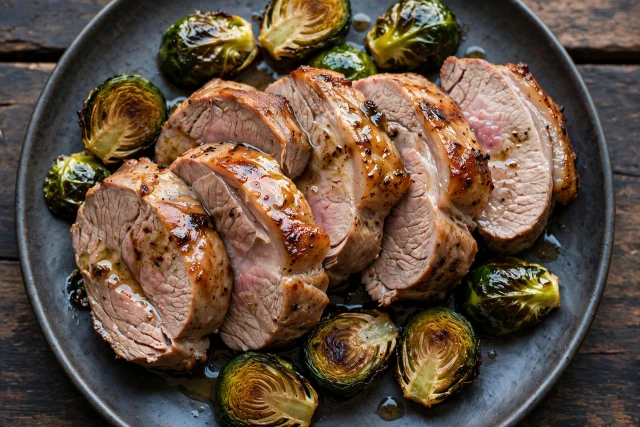
- Pork Tenderloin with Roasted Brussels Sprouts: Lean pork tenderloin is an excellent source of iron and B vitamins. Paired with roasted Brussels sprouts, which are part of the cruciferous family and rich in folate.
Snacks:
- Hard-Boiled Egg: A perfectly portable, protein-rich snack that is bland enough for sensitive stomachs.
- Watermelon Cubes: Highly hydrating and naturally sweet, watermelon is fantastic for combating early pregnancy dehydration and nausea.
Day 6
Breakfast:
- Savory Breakfast Muffins: Egg muffins baked with diced bell peppers, onions, and a little spinach. These can be made ahead of time, offering a warm, protein-heavy breakfast that requires zero morning prep.
Lunch:
- Hearty Lentil Soup: Lentils are one of the best food for first trimester due to their high folate content. A slow-cooked lentil soup with carrots and celery is gentle and deeply nourishing.
Dinner:
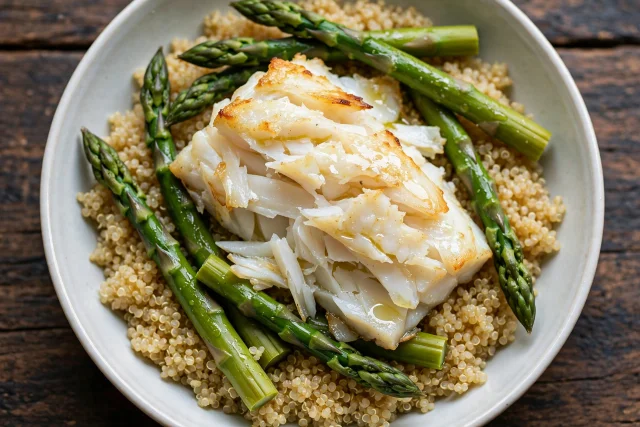
- Baked Cod with Quinoa: Cod is a low-mercury, flaky fish that is easy to digest. Served over a bed of quinoa with a side of steamed asparagus, which is packed with fiber and folate.
Snacks:
- Roasted Pumpkin Seeds: Rich in zinc and magnesium, these are great for immune support and can help with pregnancy-related leg cramps.
- Pear and Almonds: A crisp pear paired with a handful of almonds provides a great balance of soluble fiber and healthy fats.
Day 7
Breakfast:
- Cottage Cheese and Berry Bowl: Low-fat cottage cheese topped with raspberries, blackberries, and a sprinkle of sunflower seeds. This is a massive protein and antioxidant boost to start the day.
Lunch:
- Chicken and Brown Rice Bowl: Shredded chicken breast over brown rice, mixed with steamed spinach and a mild garlic dressing. An iron and folate powerhouse.
Dinner:
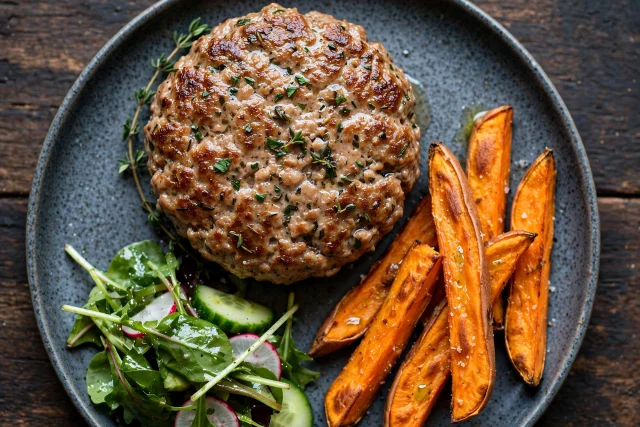
- Turkey Burger (No Bun) with Sweet Potato Fries: A lean turkey patty seasoned with mild herbs, served alongside baked sweet potato fries. High in Vitamin A, protein, and complex carbs.
Snacks:
- Celery Sticks with Peanut Butter: A simple, crunchy snack that provides a good hit of protein and healthy fats to keep hunger at bay.
- Ginger Tea: Not a food, but a crucial beverage. Sipping ginger tea throughout the day is one of the best natural remedies for first-trimester morning sickness.
Best Food for First Trimester
When building your own pregnancy diet plan, it helps to know exactly which foods are the power players for the first three months.
Here is a comprehensive list of the best foods to eat in the first trimester.
Folate-Rich Fruits
- Avocados: Packed with natural folate, healthy fats, and potassium.
- Oranges: High in Vitamin C (which helps absorb iron) and contains natural folate.
- Berries: Blueberries, raspberries, and strawberries are rich in antioxidants and fiber.
- Bananas: Easy to digest, high in potassium, and great for settling the stomach.
- Pears: Gentle on the digestive system and provide excellent hydration.
Nutrient-Dense Vegetables
- Spinach and Kale: Powerhouses of natural folate, iron, and fiber.
- Sweet Potatoes: Extremely high in Vitamin A (in the form of beta-carotene) and gentle on digestion.
- Broccoli: Packed with calcium, folate, and Vitamin C.
- Bell Peppers: Rich in Vitamin C and water content for hydration.
- Carrots: Great for snacking, high in Vitamin A and fiber.
Proteins
- Eggs: Contain choline, which is vital for baby’s brain development.
- Lean Chicken and Turkey: Excellent sources of easily digestible protein and iron.
- Salmon: Low in mercury and high in DHA Omega-3s for brain and eye development.
- Lentils and Beans: Plant-based proteins that are incredibly high in folate and fiber.
- Greek Yogurt: High in protein and calcium for bone development.
Whole Grains
- Oats: High in fiber to combat pregnancy constipation.
- Quinoa: A complete protein that also provides magnesium and iron.
- Brown Rice: A complex carbohydrate that provides sustained energy.
- Whole Wheat Bread: Better for blood sugar stabilization than white bread.
Dairy & Alternatives
- Pasteurized Milk: Provides calcium and Vitamin D.
- Hard Cheeses (Cheddar, Swiss): Good sources of calcium and protein.
- Cottage Cheese: Slow-digesting protein that is easy on the stomach.
- Unsweetened Almond Milk: A good low-calorie alternative if you are lactose intolerant.
Healthy Fats
- Walnuts and Almonds: Great for brain development and keeping you full.
- Chia Seeds and Flaxseeds: Plant-based Omega-3s and excellent fiber sources.
- Olive Oil: Use for light cooking or dressings for healthy monounsaturated fats.
- Natural Nut Butters: Peanut or almond butter for protein and fat.
Herbs & Spices
- Ginger: The ultimate natural remedy for morning sickness.
- Mint: Can help soothe the stomach and freshen breath when nausea hits.
- Cinnamon: May help stabilize blood sugar levels.
Conclusion
By focusing on a healthy pregnancy diet rich in folate, iron, and gentle proteins, you are providing the exact building blocks your baby needs for healthy brain and organ development.
As you move through your first trimester, use this pregnancy diet meal plan as a flexible template. Swap out vegetables you dislike for ones you love, and prioritize whole, unprocessed foods whenever possible.
Remember to always keep your healthcare provider in the loop. Every pregnancy is unique, and your doctor or midwife can help you adjust your first trimester diet based on your specific nutritional needs, weight, and medical history.
You may also want to read our comprehensive guides on “Best foods to eat while breastfeeding, type 1 diabetes meal plan, mother’s day dinner ideas, low histamine diet, Christmas dinner ideas, biblical Daniel Fast recipes.
This article is for information only and is not medical advice. Read our full disclaimer.