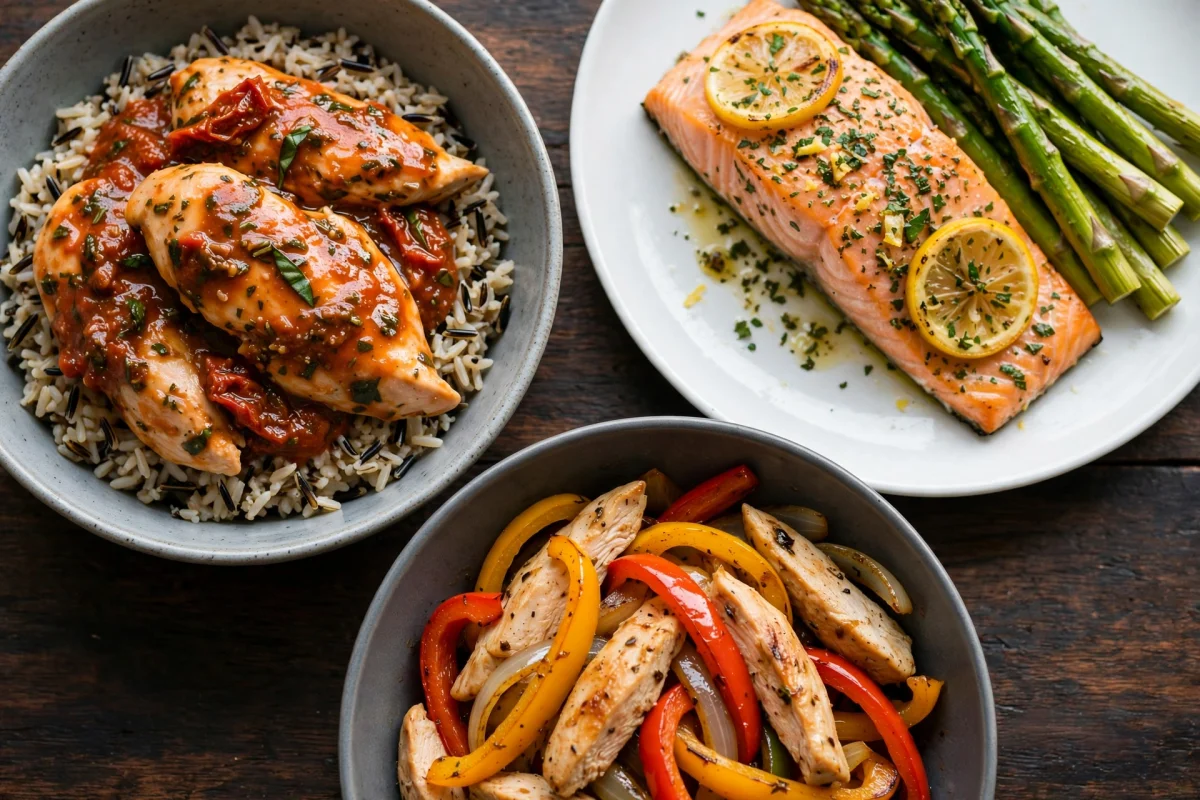
What is Type 1 Diabetes?
Type 1 diabetes is a chronic autoimmune condition in which your immune system mistakenly attacks and destroys the beta cells in your pancreas, the cells responsible for producing insulin.
Without insulin, your body cannot move glucose (sugar) from your bloodstream into your cells where it is needed for energy.
Managing type 1 diabetes can sometimes feel like a full-time job. Between checking blood sugar levels, calculating insulin doses, and navigating daily life, figuring out what to eat often becomes a source of massive stress.
You might find yourself wondering if you have to give up your favorite foods or if you are locked into a rigid, boring diet forever. The good news? That couldn’t be further from the truth.
A type 1 diabetes meal plan isn’t about restriction; it is about precision, balance, and understanding exactly how different foods interact with your body and your insulin.
When you live with type 1 diabetes, your pancreas no longer produces insulin, which means you have to manually manage how your body processes carbohydrates.
This requires a basic understanding of carb counting and the glycemic index, but it doesn’t mean you have to eat bland, boring meals.
So, what does a proper diabetes diet plan actually look like? It looks like real, delicious food. It means incorporating high-quality proteins, healthy fats, and complex carbohydrates that digest slowly, preventing those dreaded blood sugar spikes.
In this comprehensive guide, we are going to walk you through a 7-day meal plan specifically designed for type 1 diabetes.
Type 1 vs Type 2 Diabetes: Key Differences
One of the most common questions people ask after a diagnosis is: “What is the difference between type 1 and type 2 diabetes?”
It is a fair question, because both conditions involve high blood sugar, and many of the long-term complications, such as nerve damage, eye problems, and heart disease.
The simplest way to remember it: in type 1 diabetes, your body makes no insulin. In type 2 diabetes, your body makes insulin but does not use it properly.
Here is a clear side-by-side breakdown of the key differences:
| Feature | Type 1 Diabetes | Type 2 Diabetes |
|---|---|---|
| Root Cause | Autoimmune, immune system destroys insulin-producing beta cells | Metabolic, body becomes resistant to insulin |
| Insulin Production | Little to none | Produced, but body does not use it effectively |
| Can It Be Prevented? | Not preventable or curable currently | Often preventable with lifestyle changes |
| Typical Age of Onset | Often diagnosed in children, teens, and young adults, but over 50% of new cases are in adults 20+ | Most commonly ages 45–64, but rising in kids and teens |
| Onset Speed | Symptoms appear suddenly, often over weeks | Symptoms develop gradually, sometimes over years |
| Body Weight | Often normal or rapid weight loss at diagnosis | Frequently associated with overweight or obesity |
| Treatment | Lifelong insulin therapy (injections or pump), carb counting, blood sugar monitoring | Diet, exercise, oral meds, non-insulin injectables, sometimes insulin |
| Prevalence | About 5–10% of all diabetes cases | About 90–95% of all diabetes cases |
| Risk Factors | Genetics, family history, autoimmune triggers | Age, family history, sedentary lifestyle, excess weight |
| Common Symptoms | Extreme thirst, frequent urination, unexplained weight loss, fatigue, DKA risk | Frequent urination, thirst, tingling in hands/feet, sometimes no symptoms |
Understanding these differences matters for one big reason: the meal plan that works beautifully for type 1 diabetes may look very different from what someone with type 2 diabetes needs.
A person with type 2 diabetes might focus heavily on weight loss and carbohydrate restriction to improve insulin sensitivity, and in some cases can even achieve remission.
Benefits of a Type 1 Diabetes Meal Plan
Following a structured diabetes diet plan offers incredible real-life benefits that go far beyond just keeping your blood sugar in range. Here is what you can expect when you prioritize the right type 1 diabetes meals:
- Stable Blood Sugar Levels: By focusing on complex carbohydrates and fiber-rich foods, you prevent rapid glucose spikes, making your insulin absorption smoother and much easier to predict.
- Sustained Energy: Say goodbye to the afternoon energy crashes. Balanced macronutrients keep your body fueled consistently throughout the day.
- Better Insulin Sensitivity: Eating anti-inflammatory, whole foods helps your body use insulin more effectively, which can sometimes lower your overall daily insulin requirements.
- Improved Digestion: High-fiber diabetic recipes support a healthy gut microbiome, reducing bloating and promoting regularity.
- Reduced Inflammation: Whole, unprocessed foods are naturally rich in antioxidants and omega-3s, which help combat chronic systemic inflammation.
- Mental Peace: Perhaps the biggest benefit is the elimination of daily decision fatigue. Knowing exactly what you are going to eat takes the mental load off your daily routine.
7-Day Type 1 Diabetes Meal Plan
This 7-day type 1 diabetes meal plan features a variety of healthy diabetic recipes that are both delicious and supportive of stable blood sugars.
Remember to adjust portion sizes and insulin doses based on your specific carb ratios and personal needs.
Day 1
Breakfast:
- Roasted Red Pepper Egg Scramble: This vegetarian high-protein breakfast features turkey egg bites, roasted and seasoned red potatoes, sautéed fajita vegetables, and a delicious roasted red pepper sauce. The protein and fat from the eggs slow down the digestion of the potatoes, making this a perfect morning meal.
Lunch:
- BBQ Tofu with Brown Rice and Green Beans: This dish offers a delightful combination of flavors, featuring nutty brown rice and crisp green beans. The tofu is coated in a savory, low-sugar BBQ sauce with smoked sweet paprika and porcini powder for a smoky finish. It is an excellent plant-based option that keeps glucose steady.
Dinner:
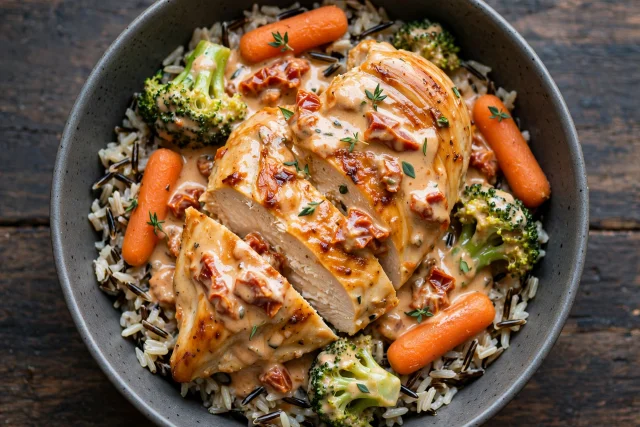
- Tuscan Inspired Chicken: Baked chicken breast in a creamy sun-dried tomato sauce (parmesan, garlic, and thyme) served with wild rice, baby carrots, and broccoli. High in lean protein and vegetables, this classic Italian-style dish makes for one of the most satisfying diabetes friendly recipes for dinner.
Snacks:
- Pick-Me-Up Trail Mix: A powerful mid-day high-protein snack packed with cashews, almonds, peanuts, sunflower seeds, pumpkin seeds, and a few raisins for a natural energy boost without a massive carb load.
- Dark Chocolate Peanut Butter Bites: A chewy dark chocolate exterior with a creamy peanut butter center. A protein-rich snack with no added sugar, perfect for satisfying a sweet tooth.
Day 2
Breakfast:
- Berry Chia Seed Pudding: Made the night before with unsweetened almond milk, chia seeds, and a handful of low-glycemic raspberries. Topped with sliced almonds for crunch. The high fiber content in chia seeds slows glucose absorption, making it an ideal breakfast.
Lunch:
- Grilled Chicken and Quinoa Bowl: Grilled chicken breast served over a bed of fluffy quinoa, mixed greens, cherry tomatoes, and cucumbers. Drizzled with a light olive oil and lemon vinaigrette. Quinoa is a complex carb that won’t spike your blood sugar like white rice.
Dinner:
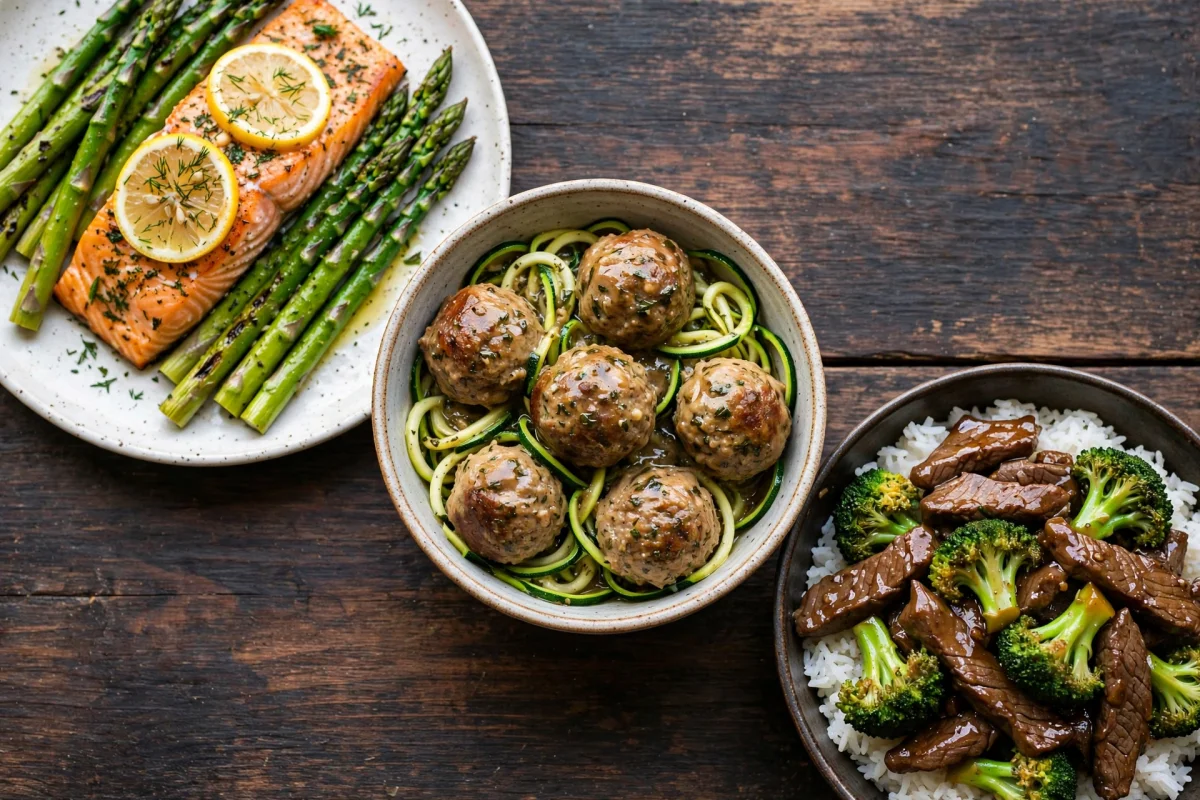
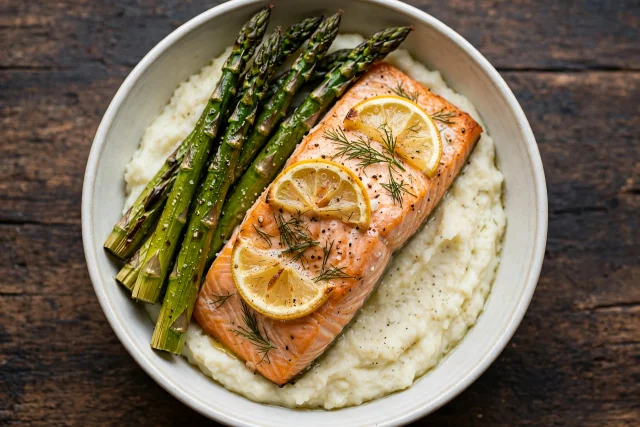
- Baked Lemon Herb Salmon: A rich salmon fillet baked with fresh lemon, dill, and garlic. Served alongside roasted asparagus and a small portion of mashed cauliflower instead of potatoes. Packed with Omega-3s, this meal is highly anti-inflammatory.
Snacks:
- Celery Sticks with Almond Butter: A classic, easy-to-pack snack. The healthy fats in almond butter prevent the minor carbs in celery from impacting your levels.
- Hard-Boiled Eggs: Two hard-boiled eggs with a sprinkle of everything bagel seasoning. Zero carbs and completely satisfying.
Day 3
Breakfast:
- Spinach and Feta Omelet: A fluffy three-egg omelet loaded with fresh spinach, diced tomatoes, and a sprinkle of feta cheese. Served with one slice of whole-grain toast. The combination of protein and fiber sets a stable tone for the day.
Lunch:
- Turkey and Avocado Lettuce Wraps: Sliced roasted turkey breast, creamy avocado, and tomato wrapped in crisp romaine lettuce leaves. Paired with a side of cucumber slices. A fantastic low-carb lunch option that is light but filling.
Dinner:
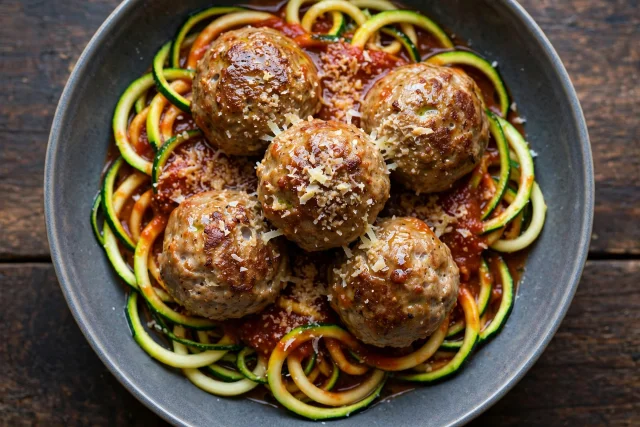
- Zucchini Noodles with Turkey Meatballs: Spiralized zucchini noodles topped with homemade turkey meatballs and a low-sugar marinara sauce. This is a perfect pasta alternative that minimizes carbs while maximizing flavor and protein.
Snacks:
- Edamame: A half-cup of steamed edamame with a pinch of sea salt. A fantastic plant-based protein snack that is low on the glycemic index.
- Greek Yogurt with Cinnamon: Unsweetened plain Greek yogurt topped with a dash of cinnamon, which can help improve insulin sensitivity.
Day 4
Breakfast:
- Cottage Cheese and Peach Bowl: Low-fat cottage cheese topped with fresh sliced peaches and a sprinkle of chia seeds. The protein in the cottage cheese balances the natural sugars in the fruit perfectly.
Lunch:
- Hearty Lentil Soup: A comforting bowl of homemade lentil soup with carrots, celery, and onions. Lentils are high in fiber and protein, making them one of the best diabetic recipes for sustained energy.
Dinner:
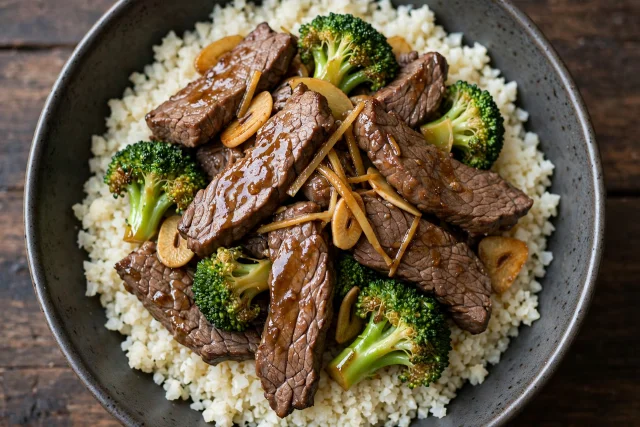
- Lean Beef and Broccoli Stir-Fry: Sliced lean beef sautéed with broccoli florets, garlic, and ginger in a low-sodium soy sauce. Served over a small portion of cauliflower rice to keep the carb count low.
Snacks:
- Apple Slices with String Cheese: A crisp apple paired with a low-fat mozzarella string cheese. The perfect balance of carbs, fiber, and protein.
- Pumpkin Seeds: A quarter-cup of roasted pumpkin seeds. Rich in magnesium, which is essential for blood sugar regulation.
Day 5
Breakfast:
- Protein Smoothie: Blend unsweetened almond milk, a scoop of low-carb vanilla protein powder, a handful of spinach, and a tablespoon of flaxseed. Quick, easy, and completely blood-sugar friendly.
Lunch:
- Tuna Salad Stuffed Bell Peppers: Tuna mixed with a little Greek yogurt, celery, and red onion, stuffed into halved bell peppers. A crunchy, satisfying, and virtually zero-carb meal.
Dinner:
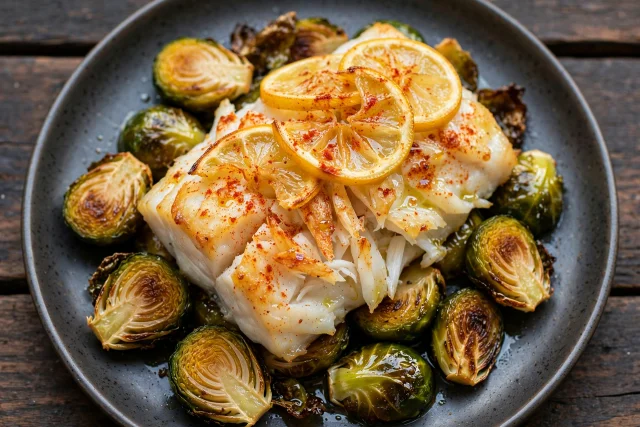
- Baked Cod with Roasted Brussels Sprouts: Flaky baked cod seasoned with paprika and lemon, served alongside roasted Brussels sprouts tossed in olive oil. A light, highly nutritious dinner rich in vitamins.
Snacks:
- Mixed Nuts: A small handful of walnuts, almonds, and pecans. Great for brain health and keeping blood sugars steady between meals.
- Sugar-Free Jello with Whipped Topping: A classic diabetic dessert that satisfies the sweet tooth without requiring an insulin bolus.
Day 6
Breakfast:
- Whole Wheat Avocado Toast: One slice of whole-grain toast topped with smashed avocado, a squeeze of lemon, and a poached egg. The healthy fats and protein make this a slow-digesting morning meal.
Lunch:
- Chicken and Chickpea Salad: Shredded chicken breast mixed with chickpeas, diced red onion, parsley, and a light lemon dressing. Chickpeas provide excellent slow-release carbohydrates.
Dinner:
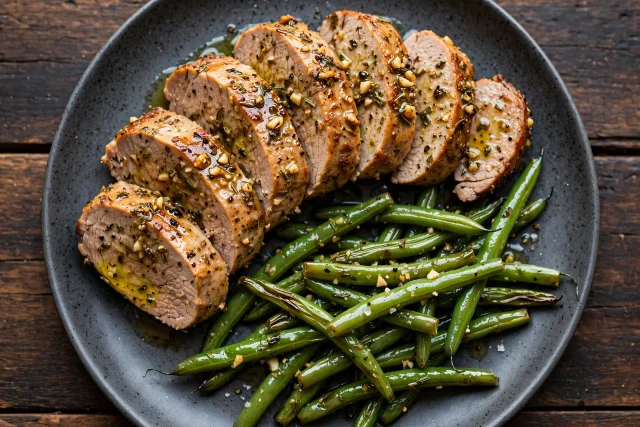
- Pork Tenderloin with Green Beans: Roasted pork tenderloin seasoned with herbs and garlic, served with fresh green beans sautéed in a little olive oil. Lean pork is a fantastic protein choice for type 1 diabetes meals.
Snacks:
- Almonds and Dried Cranberries: A small trail mix focused on almonds with just a few unsweetened dried cranberries for flavor.
- Roasted Seaweed Snacks: Salty, crunchy, and virtually carb-free, perfect for curbing afternoon cravings.
Day 7
Breakfast:
- Savory Breakfast Muffins: Egg muffins loaded with diced bell peppers, onions, and ham. These can be made in advance and reheated, offering a grab-and-go, protein-packed breakfast with near-zero carbs.
Lunch:
- Mediterranean Quinoa Salad: Quinoa tossed with diced cucumbers, cherry tomatoes, Kalamata olives, and feta cheese, dressed with olive oil. A flavorful, high-fiber lunch.
Dinner:
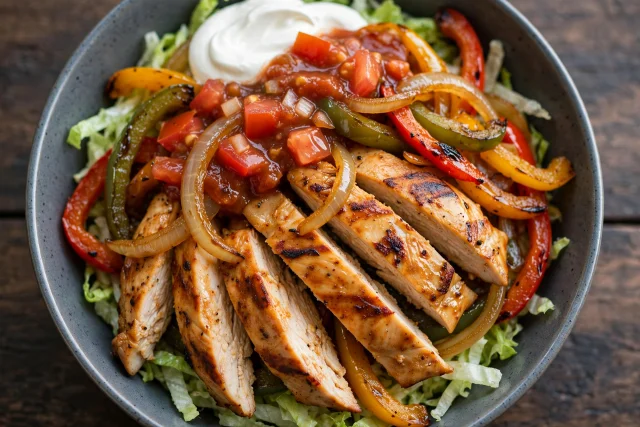
- Chicken Fajita Bowls: Sliced chicken breast sautéed with bell peppers and onions, served over a bed of shredded lettuce, topped with salsa and a dollop of sour cream. No tortillas needed for this satisfying bowl.
Snacks:
- Carrot Sticks with Hummus: Crunchy carrots dipped in a classic chickpea hummus. A great source of fiber and plant protein.
- Dark Chocolate Square: One square of 85% dark chocolate. Rich in antioxidants and low enough in sugar to be one of our favorite diabetes friendly desserts.
Diabetes Friendly Foods List
When building your own type 1 diabetes recipes, it helps to know exactly which foods support stable blood sugars. Here is a comprehensive list of foods to keep stocked in your kitchen.
Diabetes Friendly Fruits
- Berries (Raspberries, Blueberries, Strawberries)
- Apples (unpeeled for extra fiber)
- Pears
- Peaches
- Plums
- Kiwi
Non-Starchy Vegetables
- Leafy greens (Spinach, Kale, Swiss Chard)
- Broccoli
- Cauliflower
- Zucchini
- Bell Peppers
- Asparagus
- Green Beans
Proteins
- Chicken breast
- Turkey breast
- Fish (Salmon, Cod, Tuna)
- Lean beef (Sirloin, Flank)
- Pork tenderloin
- Tofu (firm)
- Eggs
- Greek yogurt (plain, unsweetened)
Whole Grains
- Quinoa
- Brown rice
- Wild rice
- Whole wheat bread
- Oatmeal (steel-cut or rolled, not instant)
- Barley
Dairy & Alternatives
- Cottage cheese (low-fat)
- Unsweetened almond milk
- Unsweetened coconut milk
- Hard cheeses (cheddar, parmesan)
Healthy Fats
- Avocados
- Extra virgin olive oil
- Nuts (Almonds, Walnuts, Pecans)
- Seeds (Chia, Flax, Pumpkin, Sunflower)
- Natural nut butters (no added sugar)
Herbs & Spices
- Cinnamon (excellent for blood sugar control)
- Turmeric
- Garlic
- Ginger
- Basil and Oregano
Foods to Avoid on a Type 1 Diabetes Diet
While having type 1 diabetes means you can technically eat anything if you dose insulin for it, certain foods make blood sugar management incredibly difficult.
To avoid unpredictable spikes, try to limit or avoid the following:
High-Sugar Fruits
- Canned fruit in heavy syrup
- Sweetened fruit juices
- Overripe bananas (these have a much higher glycemic index)
Starchy Vegetables (Limit or Portion Carefully)
- White potatoes (especially mashed or fried)
- Corn
- Peas (in large amounts)
Refined Carbohydrates
- White bread
- White pasta
- White rice
- Pastries and baked goods made with white flour
- Sweetened breakfast cereals
Processed & Fast Foods
- Frozen TV dinners with high sodium and hidden sugars
- Deep-fried foods
- Processed deli meats with added sugar
- Chips and pretzels
Sugary Beverages
- Regular soda
- Energy drinks with sugar
- Sweetened iced teas
- Artificially sweetened fruit punches
Sugary Sweets
- Candy bars
- Regular ice cream
- Cakes, cookies, and pies
Condiments with Hidden Sugars
- Ketchup (look for sugar-free or low-sugar versions)
- BBQ sauce (unless specifically low-sugar)
- Sweetened salad dressings (like honey mustard or raspberry vinaigrette)
- Teriyaki sauce
Conclusion
Managing type 1 diabetes requires constant vigilance, but your diet doesn’t have to be a source of daily anxiety.
By focusing on whole, nutrient-dense foods, pairing your carbohydrates with proteins and healthy fats, and utilizing delicious diabetic recipes, you can achieve remarkable stability in your blood sugar levels.
The 7-day meal plan provided here is a roadmap to show you that eating with type 1 diabetes can be vibrant, flavorful, and deeply satisfying.
The key to long-term success is consistency and preparation. When you take the time to plan your type 1 diabetes meals in advance, you remove the guesswork from your day.
This not only protects your physical health by preventing extreme glucose fluctuations, but it also preserves your mental energy.
Remember that everyone’s body responds differently to food. Use this meal plan as a starting point, but always pay attention to your continuous glucose monitor or fingerstick readings to see how specific meals affect you.
Adjust your insulin ratios accordingly, and never hesitate to consult with your endocrinologist or a registered dietitian to fine-tune your personal diabetes diet plan.
You have the tools, the knowledge, and the recipes to take control of your health starting today.
This article is for information only and is not medical advice. Read our full disclaimer.