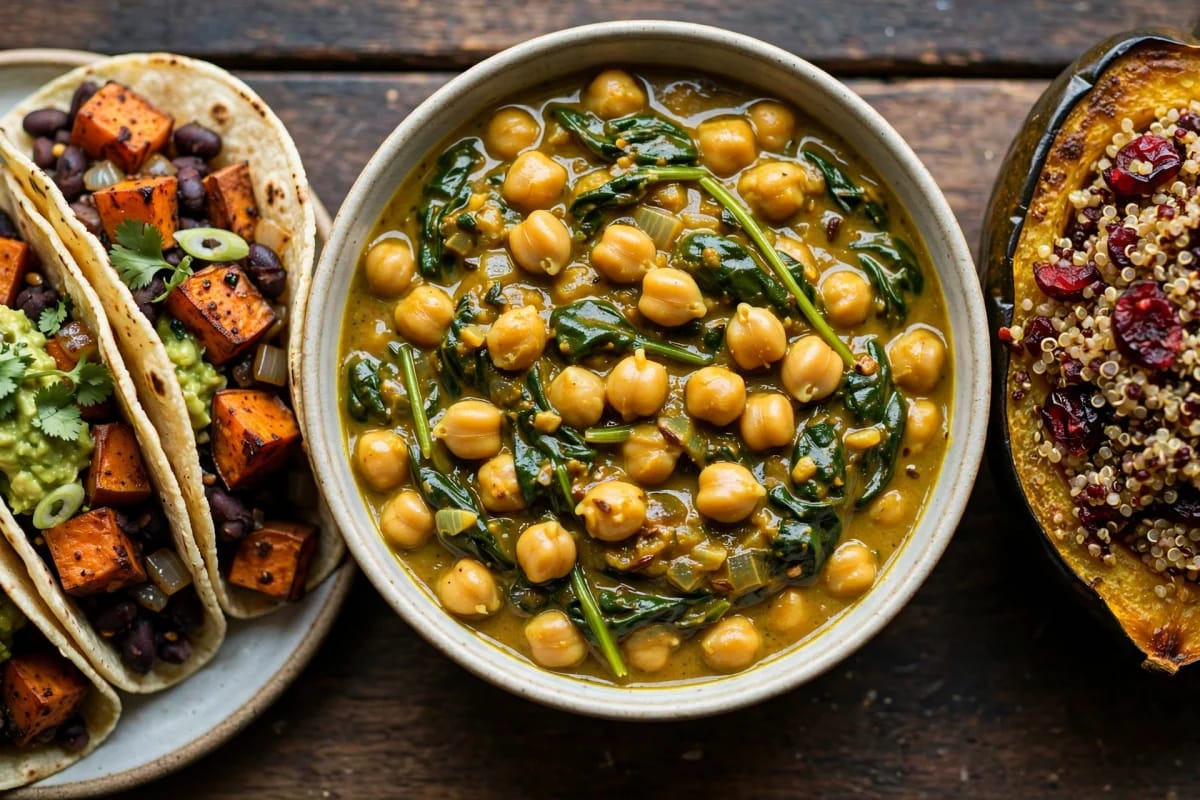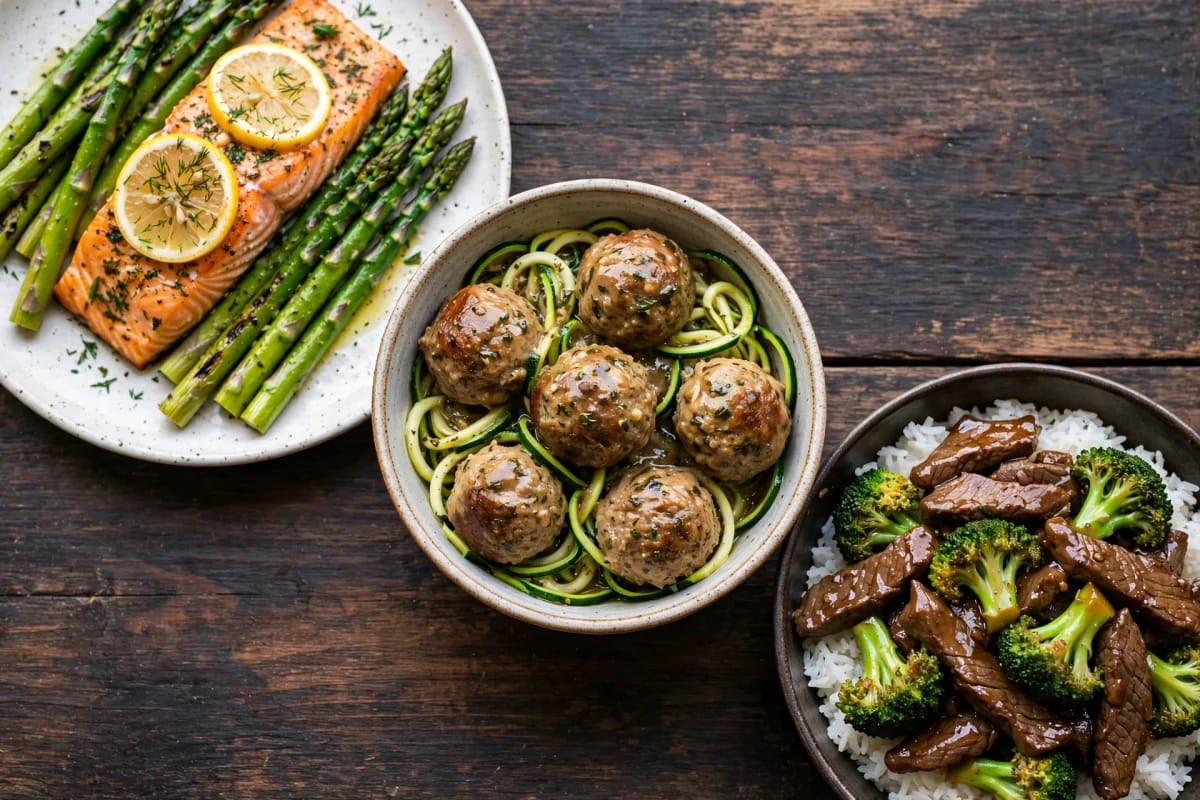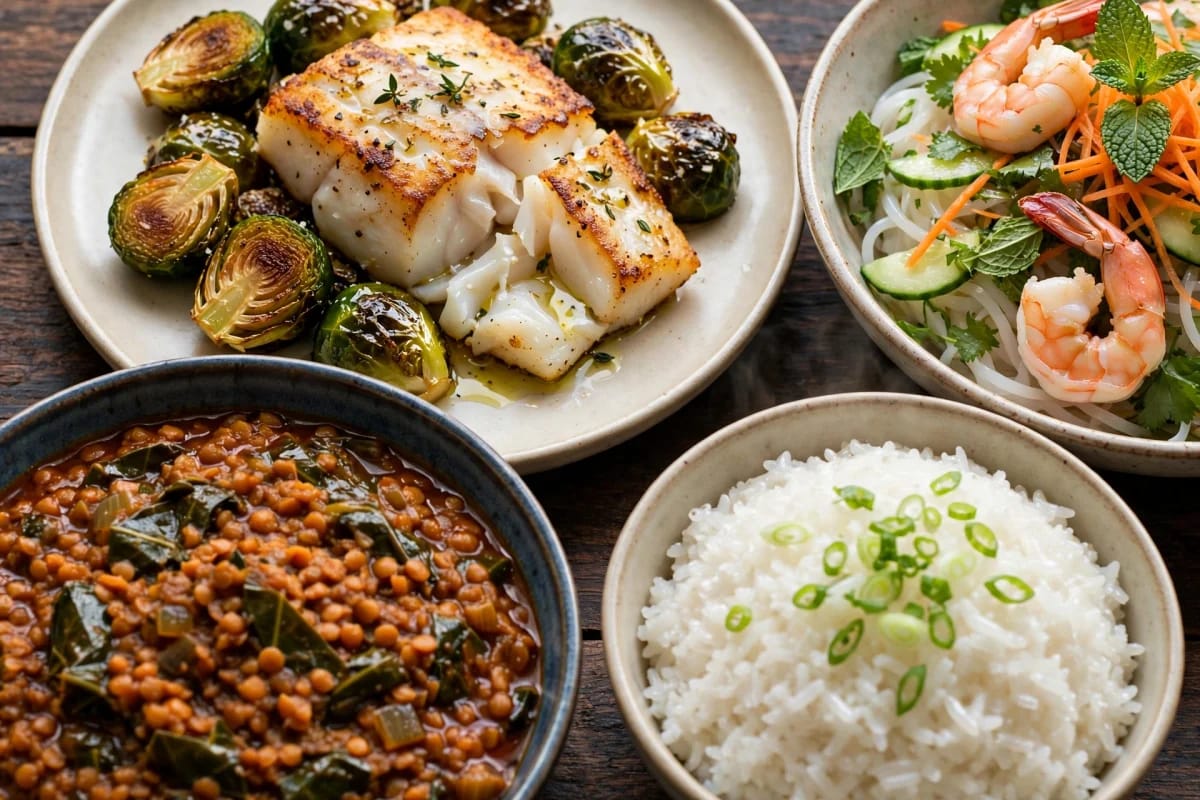
A low fat diet for gallbladder health is a way of eating that keeps the fat in each meal small and steady instead of loading it all onto one rich dinner. It leans on lean protein, vegetables, beans, and whole grains, and it steps away from frying, cream sauces, and plates built on cheese.
A 7 day low fat meal plan for gallbladder health is a week of breakfasts, lunches, dinners, and snacks arranged so that every meal lands under ten grams of fat. Each dish carries its own fat figure beside the name, which turns a vague instruction to eat lighter into something you can actually count at the table.
This low fat week includes chicken breast, white fish, prawns, tofu, lentils, rice, bulgur, millet, and soba, plus vegetables in every colour you can find. The rule that shapes every plate is the fat ceiling, so nothing is fried, nothing is finished with butter, and cheese never carries a meal on its own.
It suits adults who have been told they have gallstones, women over forty who notice a dull ache after a heavy dinner, anyone easing back into normal food after gallbladder surgery, and the person in the house who cooks for them all. If pain lasts more than a few hours, comes with a fever, or turns your skin yellow, contact a doctor the same day.
The reason to eat this way is simple. Smaller fat loads sit more comfortably than one large rich meal, and the fibre in beans, oats, and vegetables supports digestion while lean protein keeps you full until the next plate. Nothing here promises to dissolve a stone or replace a surgeon, and the honest gain is calmer evenings.
Use the week however your kitchen runs. Cook the days out of order, repeat a favourite, and swap a dinner for a lunch when the afternoon gets away from you. The fat ceiling is the one thing to keep steady, and everything else bends around your timetable, your budget, and what is already in the fridge.
Key Principles of a Gallbladder Friendly Diet
Eating for a gallbladder is less about banning food groups and more about how much fat lands on the plate at one time. These rules describe the pattern the week follows, and they line up with the guidance hospitals give people with gallstones. The NIDDK guide to gallstones holds the clinical picture.
1. Cap the Fat in Every Meal
Every meal here stays under ten grams of fat, and snacks sit lower still. A modest load spread across the day asks far less of a gallbladder than one heavy plate, so the ceiling applies at breakfast and lunch just as firmly as it does at dinner.
2. Choose Lean Protein First
Permitted proteins include chicken breast, cod, hake, tilapia, prawns, tofu, and lentils, while fatty cuts, bacon, sausage, and anything breaded and fried stay out of the trolley. Lean protein keeps a meal filling without pushing the fat figure over the line.
3. Cook Without Added Fat
Permitted methods are steaming, poaching, simmering, baking, and dry roasting, while deep frying, butter basting, and cream reductions are out. A non stick pan with a teaspoon of oil does the work that half a cup of oil used to do in the old version of the dish.
4. Keep Cheese and Cream Off the Plate
A spoon of low fat yogurt or a little soft cheese is fine, but a plate where cheese is the main event is not, and cream has no place in the week at all. Dairy appears here as a seasoning and a cooling spoonful rather than as the filling of a meal.
5. Eat Smaller Meals More Often
Three modest meals and one snack suit most people better than two large ones, and an early dinner leaves more room before bed. Regular timing matters as much as portion size when the goal is a comfortable hour after eating rather than a heavy one.
6. Treat Food as Support, Not Treatment
A low fat diet supports comfort and never replaces a doctor, a scan, or a surgeon's opinion. Gallstones are a medical condition with real complications, so bring new pain, fever, or jaundice to your care team rather than to a food list alone.
Your 7 Day Low Fat Meal Plan for Gallbladder Health Overview
This 7 day low fat meal plan for gallbladder health features easy recipes and the diet's named foods leaning on chicken, white fish, prawns, tofu, and vegetables, carrying the foods that keep every plate light, and it is perfect for beginners and busy families.
Day 1
Breakfast:
- Tamago Rice Bowl with Nori and Scallion: Steamed short grain rice under a soft set egg with torn nori, sliced scallion, and a splash of soy. It comes together in ten minutes and lands around six grams of fat, which makes it the breakfast for a slow morning when a rich plate would sit badly.
Lunch:
- Soba Noodle Bowl with Steamed Greens and Ginger Broth: Buckwheat noodles sit in a clear ginger and soy broth with steamed spinach and scallion, and the whole bowl holds about three grams of fat. It is warm and quick enough for a working lunch, and the broth settles a stomach that has been uneasy since morning.
Dinner:
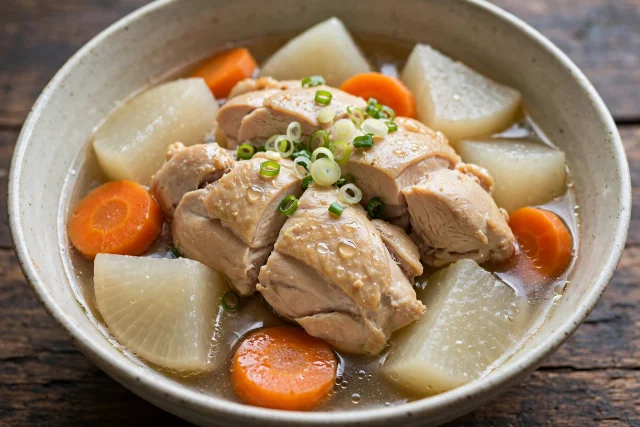
- Simmered Chicken with Daikon and Carrot: Chicken breast simmers gently with daikon wedges and carrot rounds in a light soy broth, with a few drops of sesame oil at the end. Gentle heat keeps the meat tender at roughly six grams of fat. The daikon turns soft enough to eat with a spoon, which is what you want on a tender day.
Snacks:
- Chilled Silken Tofu with Shiso: Cold silken tofu dressed with soy, grated ginger, and shredded shiso leaves, eaten straight from a small bowl. It costs about four grams of fat, cools the palate after a warm dinner, and takes two minutes when the evening has already run long.
Day 2
Breakfast:
- Tomato and Pepper Menemen with One Egg: One egg folded through softened tomato, green pepper, and onion, cooked in a non stick pan without butter. It comes to about seven grams of fat and eats like a leisurely brunch, with flatbread on the side if you have room for it.
Lunch:
- Bulgur Pilaf with Chickpeas and Mint: Fine bulgur steamed with chickpeas, tomato, and dried mint, then finished with lemon and a spoon of yogurt. It holds at roughly five grams of fat, keeps hunger away past three o'clock, and tastes better the next day, so it earns a place in a lunchbox.
Dinner:
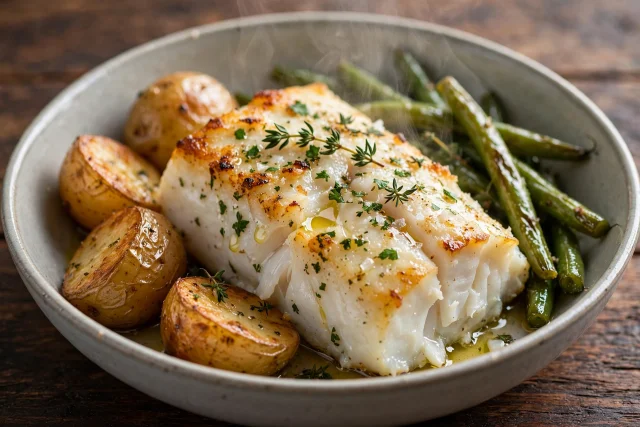
- Baked Cod with Herbs, New Potatoes and Green Beans: Cod fillets bake on a tray with new potatoes and green beans, dressed with thyme, lemon, and a teaspoon of olive oil. The fish stays moist at around seven grams of fat. One tray goes from oven to table, which leaves a single pan to wash and nothing else to think about.
Snacks:
- Cacik with Cucumber and Dill: Low fat yogurt stirred with grated cucumber, dill, and a little garlic, then served cold with a spoon. It sits near three grams of fat, works as a dip or a small soup, and calms the mouth after a spiced lunch.
Day 3
Breakfast:
- Chicken Congee with Ginger and Coriander: Rice simmers in stock with ginger until it breaks down, then gets topped with shredded poached chicken and coriander. A bowl carries about four grams of fat and goes down easily on a morning when appetite is small or the stomach is still waking up.
Lunch:
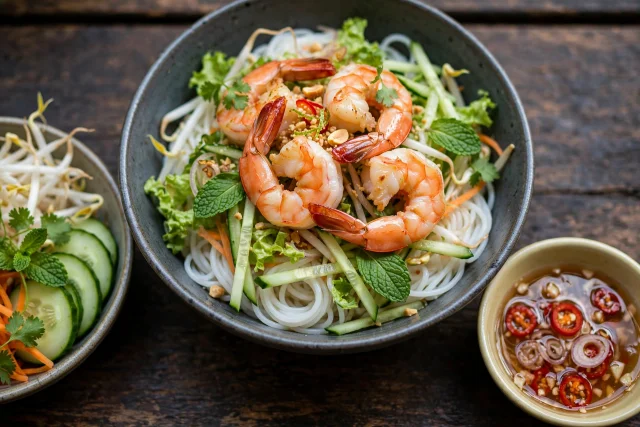
- Rice Noodle Salad with Prawns and Nuoc Cham: Rice noodles tossed with prawns, shredded lettuce, cucumber, mint, and a lime and fish sauce dressing on the side. It lands near five grams of fat, tastes bright and cold on a warm afternoon, and travels well in a container without going soggy.
Dinner:
- Lemongrass Chicken with Steamed Cabbage: Chicken breast marinated in lemongrass, lime, and a little fish sauce, then seared in a non stick pan and served over steamed cabbage. The plate stays around eight grams of fat. Cabbage soaks up the pan juices, so the dish needs no sauce at all.
Snacks:
- Pandan Yogurt with Lychee: Low fat yogurt folded with pandan essence and topped with two sliced lychees. It comes to about two grams of fat, reads like dessert, and gives the late afternoon something sweet without a cream or a pastry in sight.
Day 4
Breakfast:
- Genfo with Berbere and Scallion: Barley flour cooked into a stiff porridge, served with a small well of berbere and chopped scallion. It holds near four grams, warms you from the inside on a cold morning, and the spice wakes up a palate that has gone flat.
Lunch:
- Misir Wot with Steamed Millet: Red lentils simmered with onion, tomato, and berbere until thick, then spooned over steamed millet. The bowl carries roughly six grams of fat, the lentils bring fibre, and the millet soaks up the stew so nothing runs off the plate.
Dinner:
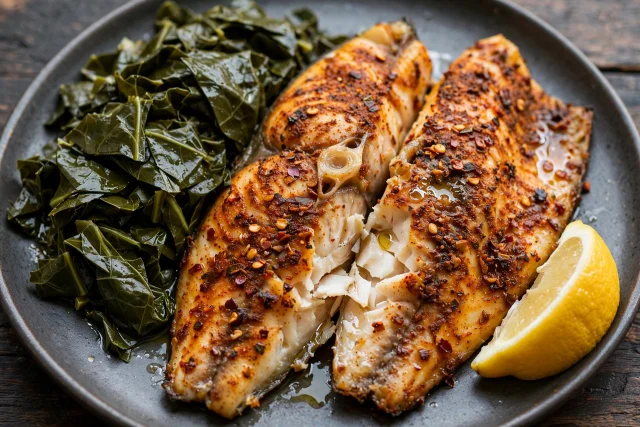
- Berbere Baked Tilapia with Collard Greens: Tilapia rubbed with berbere and baked until the edges catch, with collard greens steamed alongside and a wedge of lemon. It comes to about seven grams of fat. The greens turn silky without a drop of butter, which is the trick worth keeping.
Snacks:
- Kolo, Roasted Barley Snack: Roasted barley grains tossed with a pinch of salt and berbere, eaten by the handful. It costs almost no fat, keeps for a week in a jar, and gives the afternoon a crunch that does not come from a packet of crisps.
Day 5
Breakfast:
- Fig and Oat Breakfast Parfait: Oats soaked overnight in skimmed milk, layered with fresh figs and a spoon of low fat yogurt. It lands around five grams of fat, needs no cooking, and gives a summer morning something that feels like a treat rather than a duty.
Lunch:
- Tuscan Bean and Farro Salad: Farro tossed with white beans, cherry tomato, red onion, and basil in a lemon dressing. The bowl holds about six grams of fat, keeps in the fridge for three days, and works as a packed lunch that does not need reheating.
Dinner:
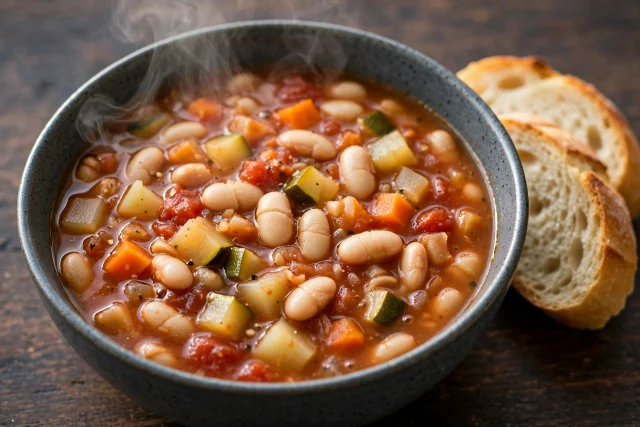
- White Bean and Zucchini Minestrone: A tomato broth with white beans, zucchini, carrot, celery, and small pasta, finished with torn basil. It sits near four grams, makes a big pot for the week, and tastes better on the second day when the beans have given up their starch.
Snacks:
- Sicilian Orange and Fennel Salad: Blood orange segments and shaved fennel with a little lemon and salt. It comes to almost no fat, cleans the palate after a bean heavy lunch, and looks far more festive than the two minutes it takes to assemble.
Day 6
Breakfast:
- Greek Yogurt with Peach and Oat Bran: Low fat Greek yogurt with sliced peach, oat bran, and a dust of cinnamon. It holds about three grams of fat, gives the morning protein and fibre together, and takes a minute when the kettle is the only thing you have time to boil.
Lunch:
- Lentil and Tomato Salad with Oregano: Cooked lentils with tomato, cucumber, red onion, and oregano in a red wine vinegar dressing. It lands near four grams, improves as it sits, and makes a sturdy lunch that will not leave you hunting for biscuits at four.
Dinner:
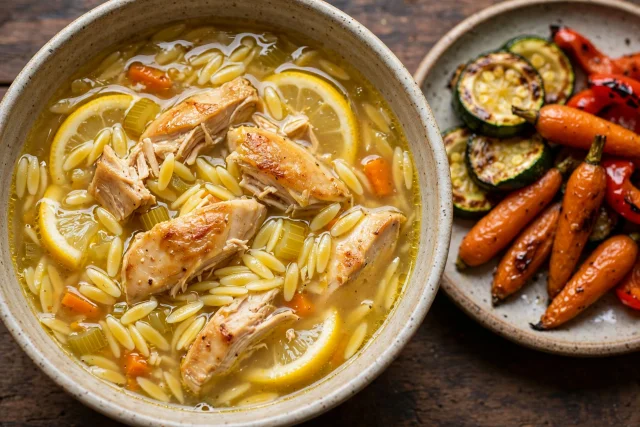
- Lemon Chicken and Orzo Soup with Roasted Carrots: Chicken breast poached in lemon broth with orzo, dill, and carrot, with roasted carrots and zucchini on the side. The bowl comes to about six grams of fat, and the lemon cuts through a week of deeper flavours.
Snacks:
- Chilled Watermelon with Mint and Lime: Cold watermelon cubes with torn mint and a squeeze of lime, served in a bowl you can carry outside. It carries no fat at all, replaces the ice cream you might want on a hot evening, and takes the edge off a salty dinner.
Day 7
Breakfast:
- Doenjang Soup with Tofu and Zucchini: A light soybean paste broth with tofu cubes, zucchini, and scallion, served with a small bowl of rice. It holds around five grams of fat, tastes savoury and deep without meat, and is the breakfast that feels like a proper meal.
Lunch:
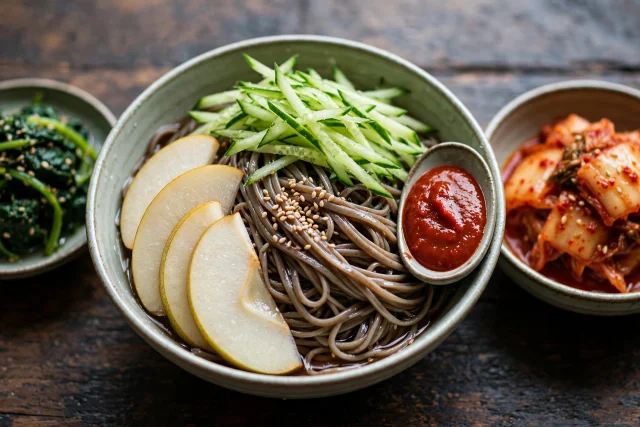
- Bibim Guksu with Cucumber and Pear: Cold buckwheat noodles with shredded cucumber, pear, sesame, and a spoon of gochujang loosened with vinegar. It comes to about four grams. Cold noodles are a relief on a day when the kitchen is too hot to stand in.
Dinner:
- Soy Braised Chicken with Chestnuts: Chicken thighs trimmed of skin braised with soy, ginger, and chestnuts until the sauce reduces to a glaze. Skinless thighs keep it near eight grams of fat. Chestnuts give a sweetness that needs no sugar at all.
Snacks:
- Steamed Sweet Potato with Sesame Salt: A small sweet potato steamed whole and finished with sesame salt, eaten warm with the skin on. It costs about two grams of fat, fits in a coat pocket for a walk, and gives a slow release of energy instead of a spike.
Full Grocery List for Your Low Fat Gallbladder Diet
Everything below covers the twenty eight dishes in one main shop, with a midweek stop for fish and yogurt if your fridge runs warm. The list stays short on purpose, because the week works best when the kitchen holds only what the menu actually uses.
Fruits
- Fresh and Soft: Figs, peaches, lychees, one pear, and a small watermelon (the parfait, the yogurt bowls, the cold noodles, and the evening snack).
- Citrus: Lemons, limes, and blood oranges, more lemons than you think (the dressings, the cod tray, the soup, and the fennel salad).
Vegetables
- Roots and Alliums: Daikon, carrots, sweet potato, onion, red onion, garlic, and ginger (the simmered chicken, the menemen, the salads, and the braise).
- Greens and Pods: Spinach, cabbage, collard greens, zucchini, cucumber, green pepper, celery, and fennel (the soba, the tilapia plate, the minestrone, and the cacik).
- Tomatoes and Herbs: Cherry tomatoes, cooking tomatoes, coriander, dill, mint, basil, shiso, and scallions (the wot, the salads, the soup, and every finish).
Proteins
- Poultry: Chicken breast and skinless chicken thighs (the simmered bowl, the lemongrass plate, the soup, and the braise).
- Fish and Seafood: Cod fillets, tilapia fillets, and raw prawns (buy the fish on the day you cook it, since none of it is frozen into a plan).
- Plant Protein: Silken tofu, firm tofu, red lentils, brown lentils, chickpeas, and white beans (the cold tofu, the wot, the minestrone, and the two salads).
Grains and Bakery
- Rice and Noodles: Short grain rice, soba noodles, rice noodles, and buckwheat noodles (the tamago bowl, the broth bowl, the prawn salad, and the bibim guksu).
- Grains and Flour: Bulgur, millet, pearl barley, barley flour, rolled oats, farro, and orzo (the pilaf, the wot, the kolo, the genfo, the parfait, and the soup).
Dairy and Refrigerated
- Yogurt and Milk: Low fat plain yogurt, low fat Greek yogurt, and skimmed milk (the cacik, the pandan bowl, the parfait, the pilaf, and the peach bowl).
- Eggs: One small box of eggs, used one at a time (the tamago bowl and the menemen).
Pantry, Oils and Flavorings
- Oils and Vinegar: Olive oil and toasted sesame oil, both used by the teaspoon, plus red wine vinegar and rice vinegar (the trays, the dressings, and the cold noodles).
- Sauces and Pastes: Light soy sauce, fish sauce, doenjang, gochujang, berbere, and lemongrass (the Japanese bowls, the Vietnamese plates, the Ethiopian day, and the Korean night).
- Nuts and Seeds: Sesame seeds and vacuum packed chestnuts (the noodle finish, the sweet potato, and the braise).
- Spices and Dried Herbs: Dried mint, oregano, thyme, cinnamon, nori sheets, and pandan essence (the pilaf, the lentil salad, the cod, the parfait, and the yogurt).
Easy Gallbladder Friendly Swaps for Busy Nights
Most weeks go sideways at the same three moments, when a recipe asks for butter, when dinner is late, and when the craving arrives after the kitchen is closed. These swaps keep the fat load where it belongs without turning the evening into a project.
- When a Recipe Wants Butter: Use a spoon of low fat yogurt or a splash of the poaching liquid instead, and let the pan juices do the rest. You keep the richness without adding a fat load that a gallbladder has to handle at ten at night.
- When You Want Something Crisp: Reach for cucumber spears, shaved fennel, or a handful of roasted barley instead of a fried snack. The crunch arrives without the oil, and it costs almost nothing against the daily ceiling.
- When Dinner Needs to Be Fast: Swap the baked fish for a tin of tuna in water over the Tuscan bean salad. It takes four minutes and stays under the ceiling, which matters more on a late night than a perfect recipe does.
- When You Are Eating Out: Ask for the grilled version with the sauce on the side, and choose rice or potatoes over anything fried. A plain grilled plate usually lands under ten grams of fat without a long conversation with the kitchen.
- When a Craving Hits at Night: Spoon a little low fat yogurt over sliced peach or cold watermelon instead of reaching for ice cream. It is cold, sweet, and light enough to sleep on, and it uses food already in the fridge.
How to Start a Low Fat Diet for Gallstones
Start with one shop and two cooking sessions rather than a whole new life. Poach a batch of chicken, cook a pot of beans, and roast a tray of vegetables, then build the first three days out of what is already in the fridge. A low fat diet for gallstones is easier to keep when the next meal is already made.
Keep the fat spread through the day instead of saving it for dinner, because a single rich plate at night is what most people remember as the trigger. Eat at roughly the same times, drink water between meals, and take a small snack in the late afternoon so you are not ravenous by seven.
Give the week two rounds before you judge it, since the first few days are about habit rather than taste. If a dish sits badly, note it and swap it out instead of forcing it, and if pain returns or worsens, stop adjusting the menu and call your doctor. The NHS page on gallstones sets out what needs urgent attention.
Keep exploring with our BRAT diet for an upset stomach, the older seven day gallbladder menu, a low histamine week for sensitive digestion, and a pescatarian plan built on fish and plants. Two more worth a save are this Korean beef rice stack for a weekend cook and a Philly cheesesteak sandwich for the night you cook for everyone else.
This article is for information only and is not medical advice. Read our full disclaimer.