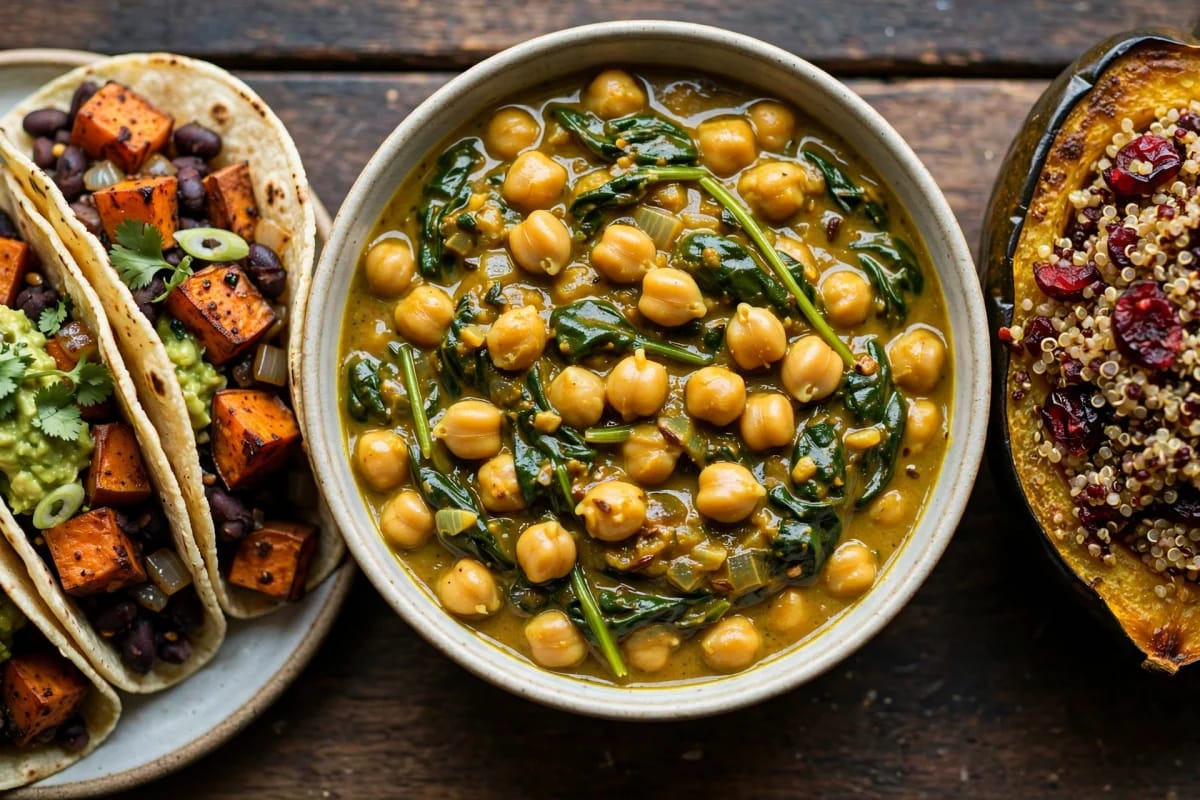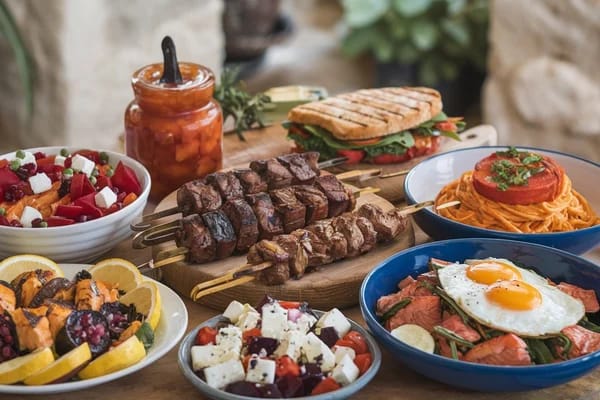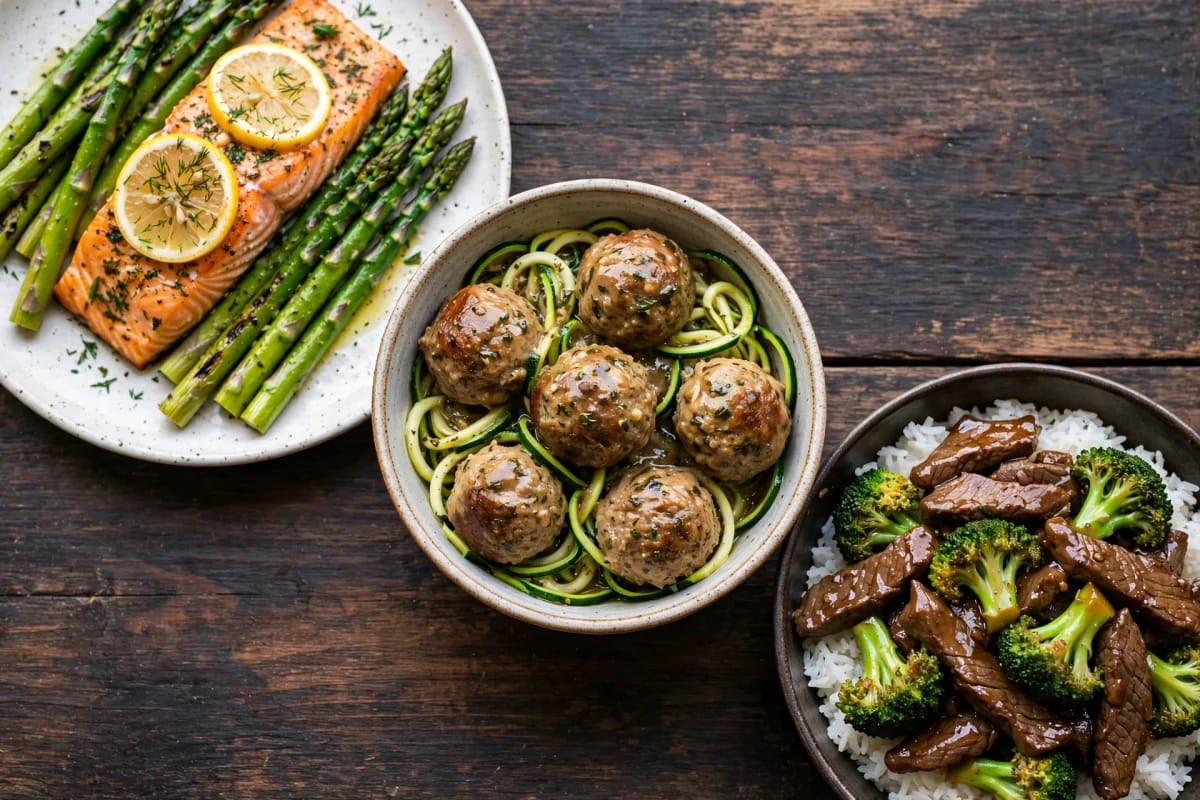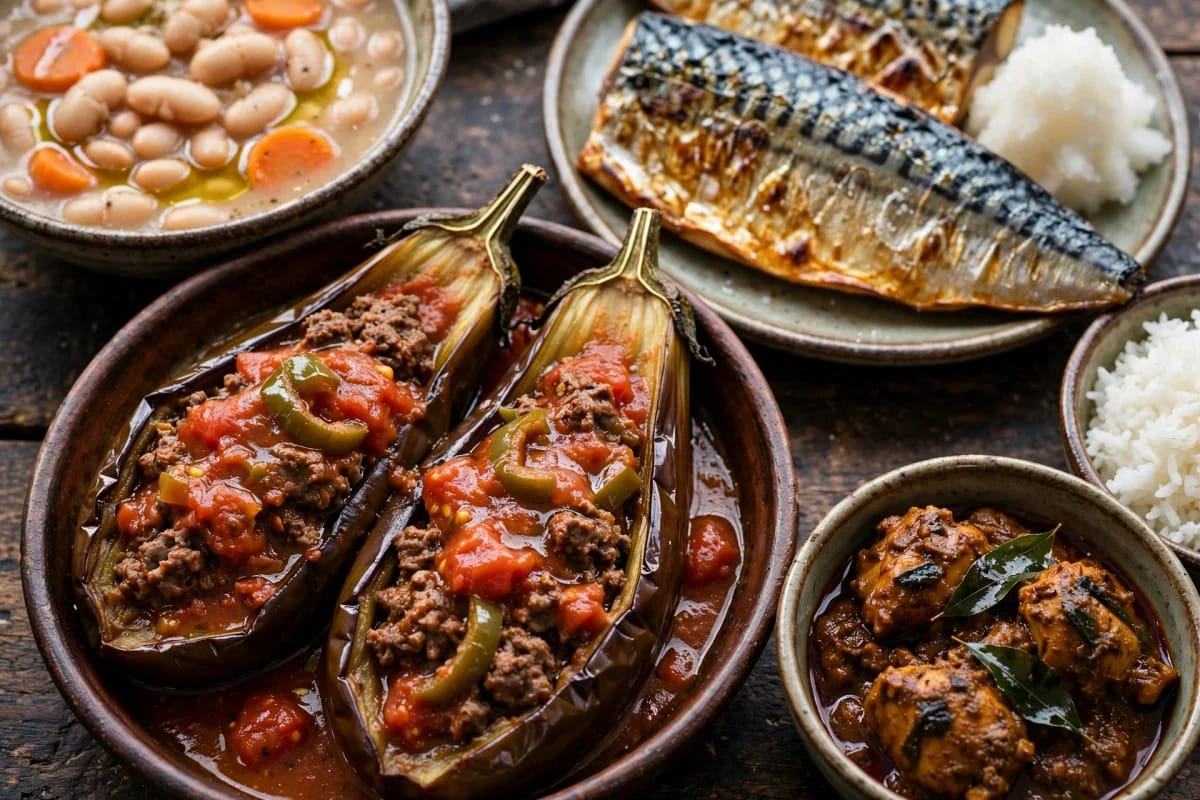
A healthy eating plan for sedentary adults is a week of moderate meals built for days spent mostly sitting. It keeps portions modest, puts protein and vegetables at every meal, and skips the oversized servings that active days would burn off.
This 7 day healthy eating plan for sedentary adults turns that idea into breakfast, lunch, dinner, and one planned afternoon snack. Every day follows the same shape, a palm of protein, a fist of starch, and vegetables filling the rest, with a different cuisine carrying it.
This sedentary adult meal plan leans on eggs, fish, beans, yogurt, and lentils for steady protein, with whole grains and vegetables doing the filling work. The one rule that shapes every plate is portion over restriction, since nothing is banned and everything is measured by the hand, not the scale.
It suits desk workers, remote workers eating at the same table they work at, older adults with quiet days, and anyone whose step count rarely breaks four figures. Gentle movement still matters, and the WHO physical activity guidance is the place to start, but food carries most of the week and this plan handles the food.
Picture Turkish eggs over garlicky yogurt, Japanese mackerel with rice, Greek chicken gyros with tzatziki, and a Ligurian fish stew with grilled bread. Seven cuisines, no repeated dinner, and lunches that reheat in a microwave without complaint.
Eat the days in order the first time. The early days teach the portion shape that the rest of the week leans on, and by day four the palm and fist method stops feeling like measuring and starts feeling like the way you already eat.
Key Principles of a Sedentary Diet for Adults
The key principles of a sedentary diet for adults come down to one insight. A quiet day needs less fuel than a busy one, so this sedentary diet shrinks portions instead of cutting food groups. The Harvard Healthy Eating Plate shows the same shape this week follows.
1. Eat Moderate Portions
A palm of protein, a fist of cooked starch, a thumb of fat, and vegetables filling the rest is the whole method. A smaller plate helps more than measuring, since the eye decides fullness before the stomach does.
2. Put Protein at Every Meal
Eggs, fish, chicken, beans, lentils, and yogurt anchor every meal in this sedentary diet. Protein keeps a quiet afternoon from turning into a grazing afternoon, which is where sedentary days usually come undone.
3. Fill Half the Plate with Vegetables
Vegetables bring volume without heaviness, which is exactly what a day without much movement needs. Every lunch and dinner here leads with them, and the variety across seven cuisines keeps it from feeling like a duty.
4. Choose Whole Grains and Fibre
Bulgur, brown rice, oats, polenta, and whole bread hold hunger longer than their refined versions. Fibre does the staying power work on days when the next meal is never more than a room away.
5. Keep One Planned Snack
One afternoon snack, packed the night before, beats an open cupboard every time. The snack slots here are small, protein leaning, and deliberate, because the unplanned second snack is the one that counts.
6. Drink Water First
Thirst reads as hunger at a desk, so a glass of water comes before every snack here. Keep it on the desk, not in the kitchen, and refill it at lunch.
7. Eat at Regular Times
Regular meal times steady a sedentary day more than any single food choice. Breakfast within an hour of waking, lunch away from the screen, and dinner early enough to digest before sleep.
8. Remember the Goal
This is moderate eating for quiet days, not a weight loss plan. It promises no pounds lost and no transformation, just seven days of well portioned food that fits the life being lived.
Your 7 Day Healthy Eating Plan for Sedentary Adults Overview
This 7 day healthy eating plan for sedentary adults features easy recipes and steady foods leaning on eggs, fish, beans, and yogurt, carrying the portions that fit a quiet day without counting, and it is perfect for desk workers and calm households.
Day 1
Breakfast:
- Turkish Cilbir Eggs: Poached eggs over garlicky yogurt with warm butter, paprika, and dill. It eats like a rich breakfast while staying modest in size, and the yogurt carries the protein that holds the morning. The paprika butter on top is the whole show, so do not skip it.
Lunch:
- Ezogelin Soup: Red lentils, bulgur, and rice simmered with tomato and mint into a thick Turkish soup. One bowl fills without heaviness, and it reheats in a microwave without losing anything. A squeeze of lemon at the table wakes the whole bowl up.
Dinner:
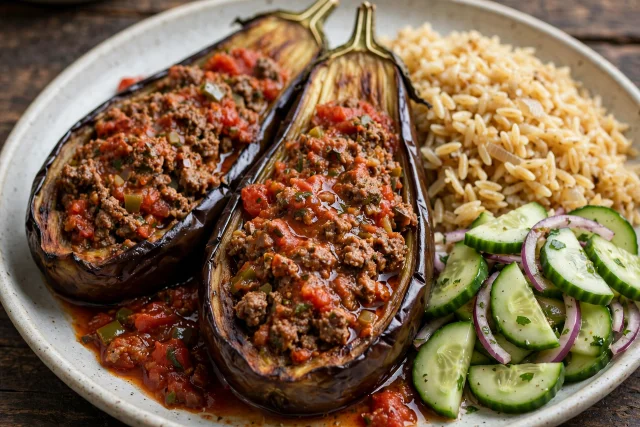
- Karniyarik: Eggplant roasted and stuffed with minced beef, tomato, and onion, baked until silky. It looks generous and eats moderate, which is the whole trick of a sedentary dinner done right. Serve with a small scoop of rice and nothing else, since the eggplant is already rich.
Snacks:
- Haydari: Thick yogurt whipped with feta, dill, mint, and olive oil, eaten with cucumber rather than bread. Cool and salty, it is the afternoon pause that keeps dinner on schedule. Make it in the morning and the flavours settle by afternoon.
Day 2
Breakfast:
- Japanese Okayu: Rice porridge simmered soft with ginger, topped with scallions and a drop of sesame oil. Gentle on a slow morning, and the small bowl is the point, since porridge expands to fill whatever it is served in. Top with a soft egg for protein and the morning is handled.
Lunch:
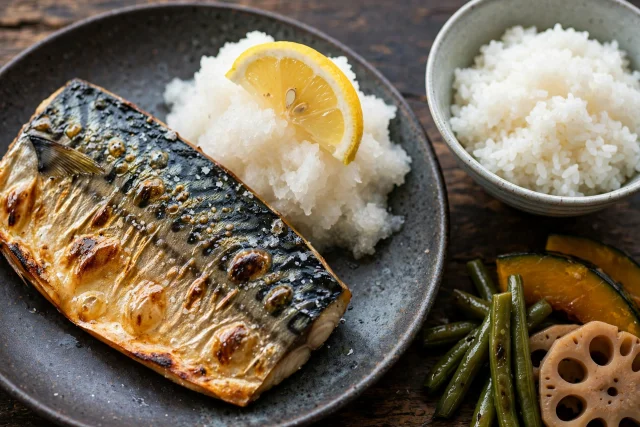
- Saba Shioyaki: Mackerel salted and grilled until the skin crisps, with rice and grated daikon. Oily fish earns its place twice this week, and Tuesday lunch is the first of the two. The grated daikon cuts the richness the way lemon would.
Dinner:
- Oyakodon: Chicken and onion simmered in dashi and egg over a small bowl of rice. Comfort food in the literal sense, and the single bowl format keeps the portion honest without any measuring. One bowl, one serving, and the dashi does all the seasoning work.
Snacks:
- Kinpira Gobo: Burdock root and carrot cut fine and sauteed sweet and salty with sesame. Chewy, small in volume, and the kind of snack that takes long enough to eat that one portion is enough. It keeps five days in the fridge, so make extra for the week.
Day 3
Breakfast:
- Nopales and Egg Scramble: Cactus paddles sauteed with onion and tomato, scrambled with eggs. Bright, light, and ready in ten minutes, it is the liveliest breakfast of the week and it asks nothing of the cook. The lime at the end is essential, not optional.
Lunch:
- Sopa de Lentejas: Brown lentils simmered with carrot, celery, and cumin until thick. Wednesday lunch should be this unfussy, and lentils hold the afternoon better than any sandwich. A spoon of vinegar stirred in at the table brightens the whole pot.
Dinner:
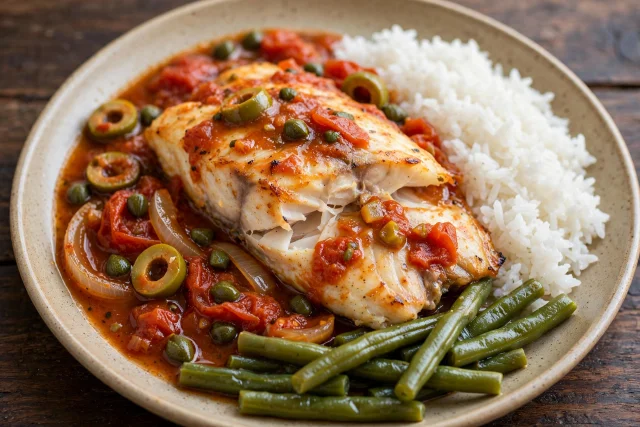
- Pescado a la Veracruzana: White fish baked in tomato with olives, capers, and peppers. Briny and bright, it is the second fish dinner of the week and the proof that sedentary food never needs to be bland. The olive sauce comes together while the fish bakes, so nothing waits.
Snacks:
- Mexican Atole: Warm corn masa drink with cinnamon and a spoon of sugar. Small cup, not a mug, since atole is comfort measured in sips rather than servings on a quiet day. Keep it small and it stays a comfort instead of becoming a meal.
Day 4
Breakfast:
- Rava Idli: Steamed semolina cakes with carrot and peas, served with coconut chutney. Light and spongy, they eat like less than they are, which makes them ideal for a morning that starts at a desk. The coconut chutney on the side is doing half the work, so do not skip it.
Lunch:
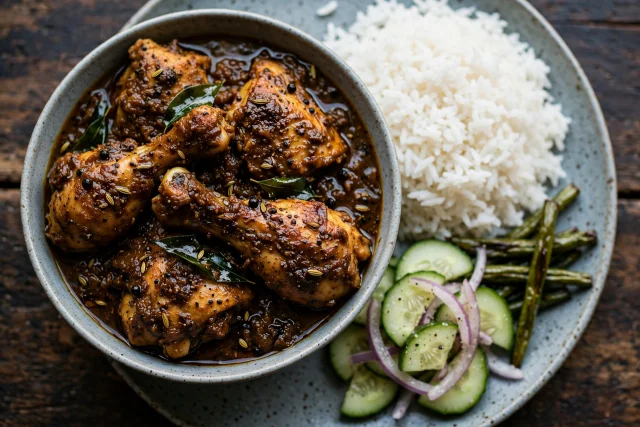
- Chicken Chettinad: Chicken simmered in black pepper, fennel, and coconut masala until the sauce clings. Thursday brings the boldest flavours of the week, and the small rice portion keeps them in bounds. The pepper heat builds slowly, so warn the table before the first bite.
Dinner:
- Baingan Bharta: Eggplant roasted whole until smoky, mashed with tomato, peas, and ginger. It tastes like a feast and eats like vegetables, which is exactly the trade a sedentary dinner wants to make. Serve over rice and the smoky sauce goes further than expected.
Snacks:
- Masala Makhana: Fox nuts roasted with turmeric, salt, and a little oil until crisp. They eat like popcorn and keep like crackers, and the small bowl is the serving, not the bag. Roast a full tray while the oven is on and the week is stocked.
Day 5
Breakfast:
- Greek Yogurt with Fig: Thick yogurt with fresh fig, honey, and walnuts. It takes two minutes and holds the morning without a second thought, which is all a Friday breakfast needs to do. The walnuts go on last so they stay crunchy against the soft fig.
Lunch:
- Fasolada: White beans simmered with carrot, celery, and olive oil into the Greek national soup. Humble, filling, and honest, it is the lunch that asks for nothing and gives the whole afternoon. Good olive oil stirred in at the end is the difference between fine and memorable.
Dinner:
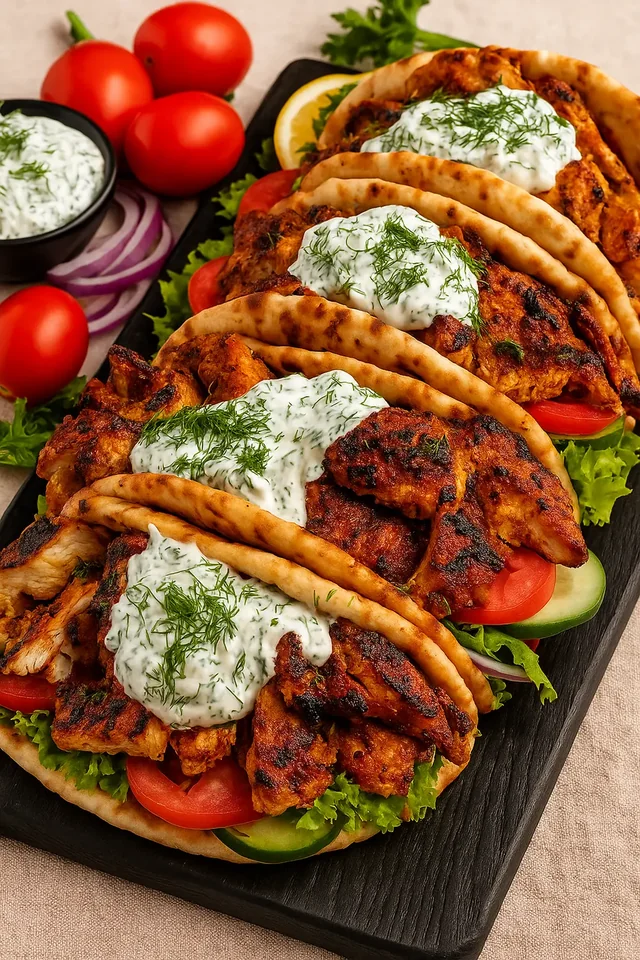
- Greek Chicken Gyros: Chicken marinated in lemon and oregano, roasted and sliced over pita with tzatziki, tomato, and red onion. Friday earns the weeknight favourite, portioned as one loaded pita rather than two. Warm the pita directly over the flame for spots that crackle.
Snacks:
- Tahini and Honey Dip: Tahini loosened with honey and warm water, eaten with apple slices. Sweet, nutty, and small, it closes the afternoon gap without opening a packet of anything. Thin it with warm water a spoon at a time until it pours.
Day 6
Breakfast:
- Gyeran Mari: Rolled omelette with carrot, scallion, and a pinch of salt, sliced into pinwheels. Pretty enough for a Saturday and plain enough for every day, with protein doing the quiet work. Slice thick and pack for lunch, since it eats well cold.
Lunch:
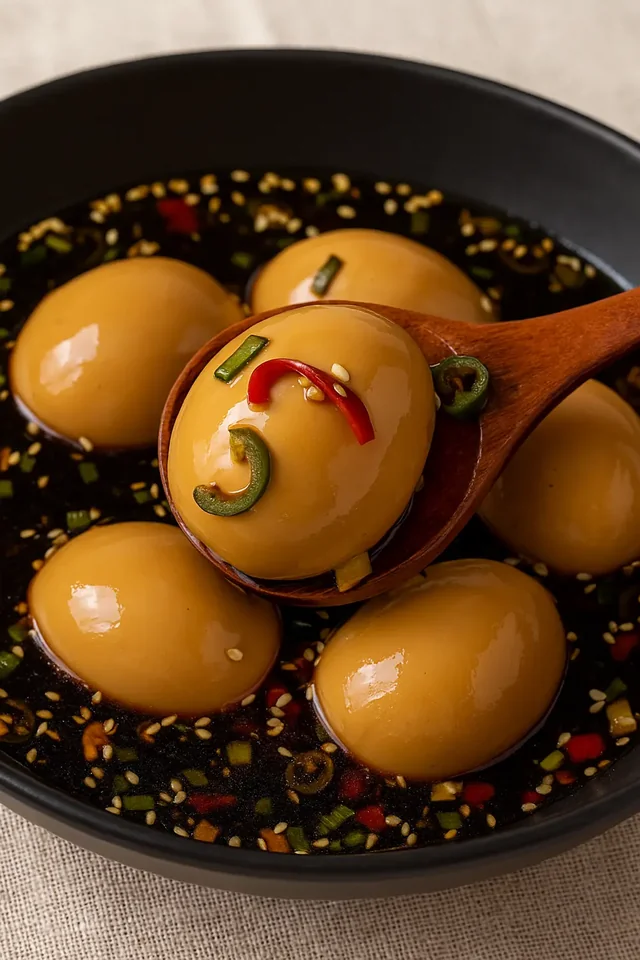
- Korean Mayak Eggs: Soft boiled eggs marinated in soy, garlic, and chilli with sesame, over rice. The name means drug eggs, and one taste explains why, but one portion over rice is the serving. Marinate overnight and the yolks turn to jam by morning.
Dinner:
- Dubu Jorim: Tofu pan fried and braised in a sweet soy glaze with scallions. Crisp outside, silky within, it is the gentlest dinner of the week and it suits a Saturday that asked for nothing. The glaze thickens as it cools, so serve it straight from the pan.
Snacks:
- Korean Pear: Crisp Korean pear sliced and eaten cold. Juicy, huge, and almost entirely water, it is the snack that proves volume and calories are different things. Eat it cold and slow, since the juice is the whole point.
Day 7
Breakfast:
- Polenta with Milk and Honey: Soft polenta stirred with warm milk and honey until it shines. Sunday morning food, eaten slow, and the small bowl is plenty since polenta keeps hunger away for hours. Stir until it pulls from the sides and the texture turns silky.
Lunch:
- Trofie with Pesto: Short twisted pasta with basil pesto, potato, and green beans the Ligurian way. The potato in pasta looks like a mistake and eats like a tradition, and the portion stays single bowl. The starchy pasta water binds the pesto, so save a cup before draining.
Dinner:
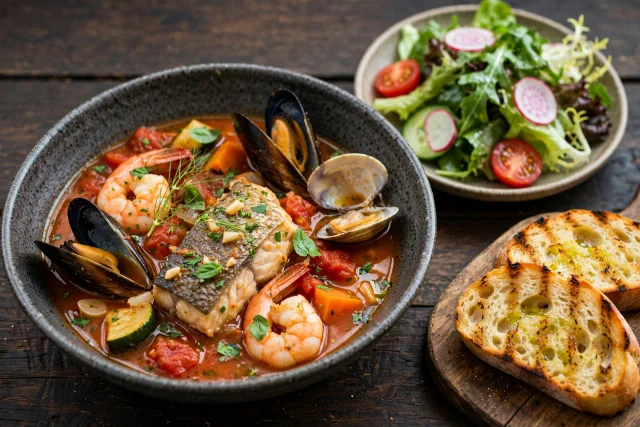
- Ciuppin: Ligurian fish stew with tomato and white wine, served with grilled bread for dunking. The right last dinner for a calm week, brothy enough to feel light and rich enough to feel like Sunday. The grilled bread is for dunking, so grill an extra slice.
Snacks:
- Ligurian Focaccia: Olive oil focaccia with rosemary and flaky salt, one square with tea. Sunday ends the week the way it should, with bread worth eating and a portion worth stopping at. Warm it before serving and the rosemary wakes straight up.
Full Grocery List for a Sedentary Adult Kitchen
One modest shop covers the week, since moderate portions mean modest quantities. Buy fish on the day you cook it, and keep the snack shelf to the planned snacks only, because an empty gap is what the cupboard is for. The NHLBI portion guide is worth one read before you shop.
Fruits
- Fresh Fruits: Figs, apples, Korean pear, lemons, and limes (the yogurt bowls, the snacks, the fish, and the dressings).
- Dried Fruits: Dates (the Moroccan style breakfast and the snack shelf).
Vegetables
- Leafy Greens and Herbs: Dill, parsley, mint, cilantro, and scallions (the eggs, the soups, the salads, and the finishes).
- Roots and Alliums: Potatoes, carrots, burdock root, daikon, garlic, ginger, and onions (the soups, the stews, the stir fries, and the masala).
- Fresh Vegetables: Eggplant, zucchini, tomatoes, cactus paddles, green beans, and peppers (the karniyarik, the bharta, the scramble, and the stew).
Proteins
- Eggs: A dozen large eggs (the cilbir, the scramble, the omelette, and the mayak eggs).
- Poultry and Meat: Chicken thighs and minced beef (the chettinad, the gyros, and the karniyarik).
- Fish and Seafood: Mackerel, white fish fillets, and mixed fish for stew, bought on the day (the shioyaki, the Veracruzana, and the ciuppin).
- Legumes: Red lentils, brown lentils, white beans, and tofu (the soups, the fasolada, and the jorim).
- Dairy: Greek yogurt, feta, and tzatziki ingredients (the cilbir, the haydari, and the gyros).
Grains and Bakery
- Grains: Bulgur, rice, semolina, polenta, and couscous alternatives (the soup, the okayu, the idli, and the polenta).
- Pasta and Breads: Small pasta, trofie, pita, sourdough, and focaccia ingredients (the pasta nights, the gyros, and the toast).
Nuts, Seeds and Fats
- Nuts: Walnuts, almonds, and peanuts (the breakfasts, the snacks, and the finishes).
- Seeds and Butters: Sesame seeds, tahini, and fox nuts (the snacks, the dips, and the garnishes).
- Oils: Olive oil and sesame oil (every roast, the dressings, and the stir fries).
Flavorings
- Spices: Paprika, cumin, turmeric, garam masala, black pepper, and fennel (the whole week).
- Fresh Herbs: Dill, mint, basil, rosemary, and curry leaves (the eggs, the stews, and the pasta).
- Flavorings: Honey, soy sauce, miso, dashi, rice vinegar, and white wine (the sauces, the marinades, and the stew).
Easy Sedentary Diet Food Swaps for Quiet Days
Cravings turn up on quiet days like any other, and these five swaps keep the shape of what you want inside a moderate portion. Each one answers a moment rather than a craving, and everything in them sits on a shelf the list above already holds.
- When You Want Something Crisp: Reach for cucumber with haydari or a cold Korean pear instead of chips. The crunch arrives without the bag, and the portion ends when the fruit does.
- When Dinner Needs to Be Faster: Swap the karniyarik for pan seared chicken thighs with the same tomato and onion base. You lose the long bake and keep the flavour profile.
- When You Miss a Big Lunch: Build it from soup, salad, and bread rather than doubling the main. Volume comes from vegetables and broth, which is exactly what keeps the afternoon comfortable.
- When Breakfast Feels Repetitive: Trade the yogurt bowl for cilbir and keep the bread. Same morning effort, completely different plate, and the eggs hold longer than yogurt alone.
- When You Need More Protein: Add a jammy egg to the soup or a spoon of yogurt to the porridge. Both slip in quietly and lift the day without changing its shape.
Getting Started With This Healthy Eating Plan for Sedentary Adults
Start with the portions, not the food. Eat the first day exactly as written and notice the hand measure at every meal, because the shape matters more than any single dish.
Cook the soups and beans on your longest evening. Portioned into containers, the middle of the week needs one pan and fifteen minutes, and lunches reheat in a microwave without complaint.
Repeat the week as it stands twice before changing anything, then swap the days you liked least. Portions get easier with practice, and by the second week the palm and fist method reads as habit rather than homework.
Keep exploring with our slower paced kitchen guides in gentle everyday meals for lower activity days, moderate plates at 1,600 calories, steady oat breakfasts for slow mornings, and regular meal times for calmer days, alongside batch cooking for cold weeks and a week of groceries on a small budget.
This article is for information only and is not medical advice. Read our full disclaimer.