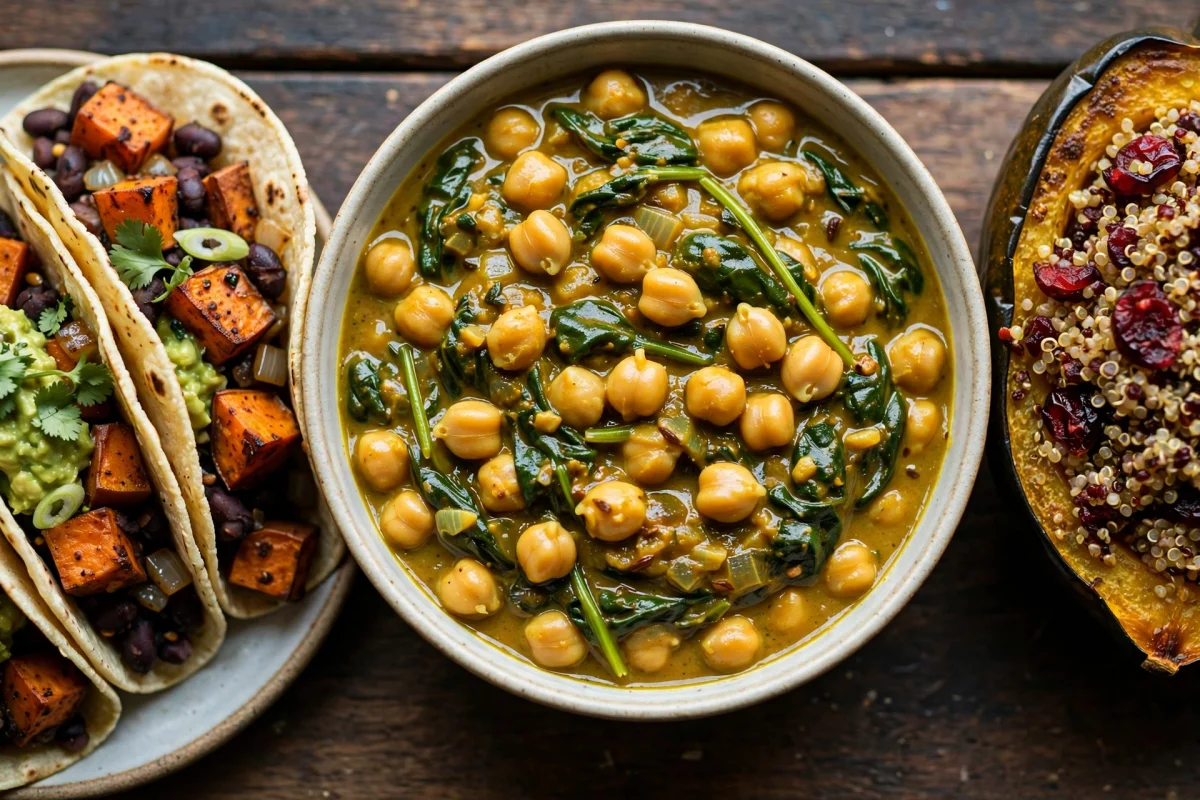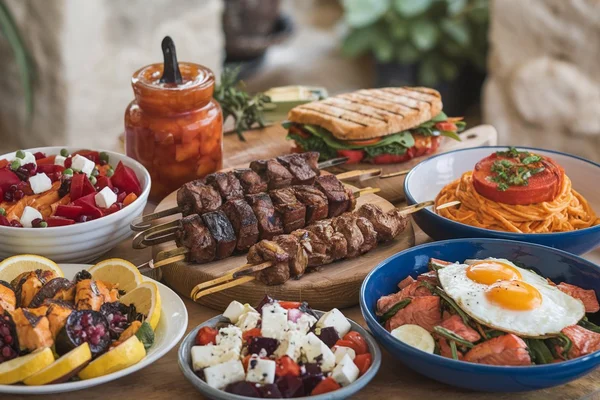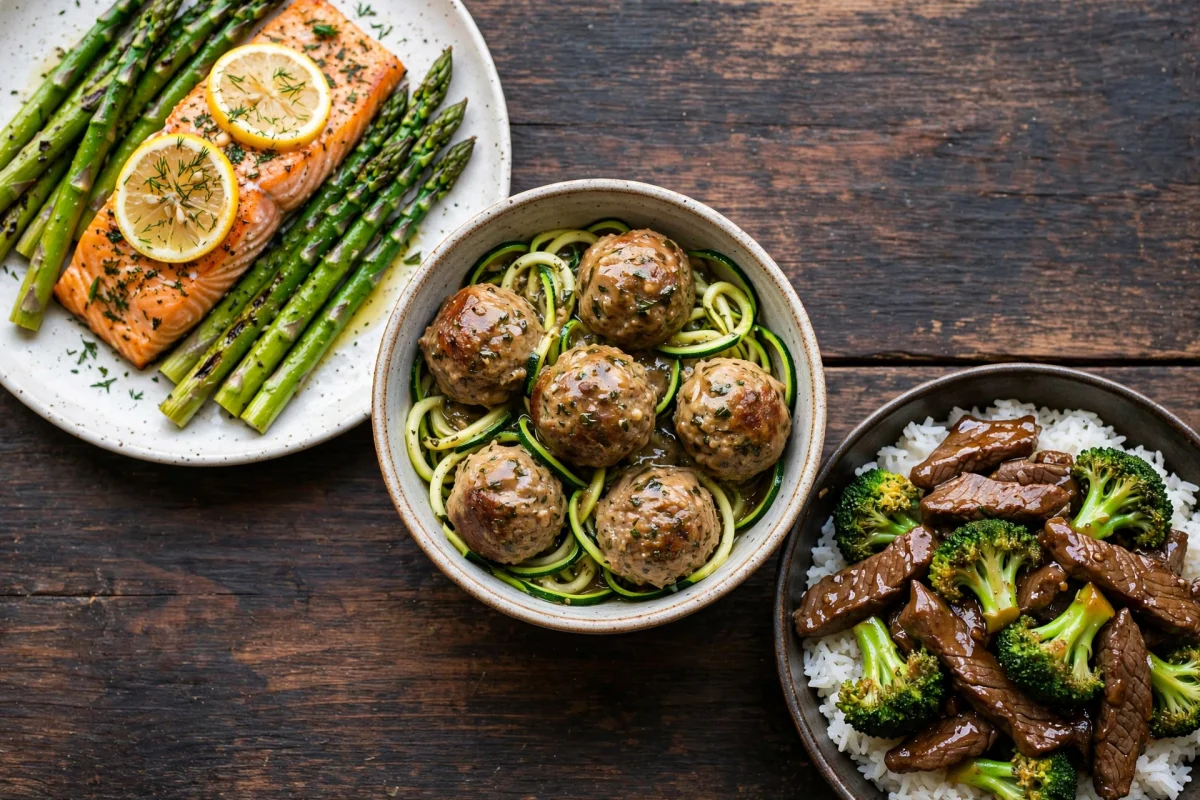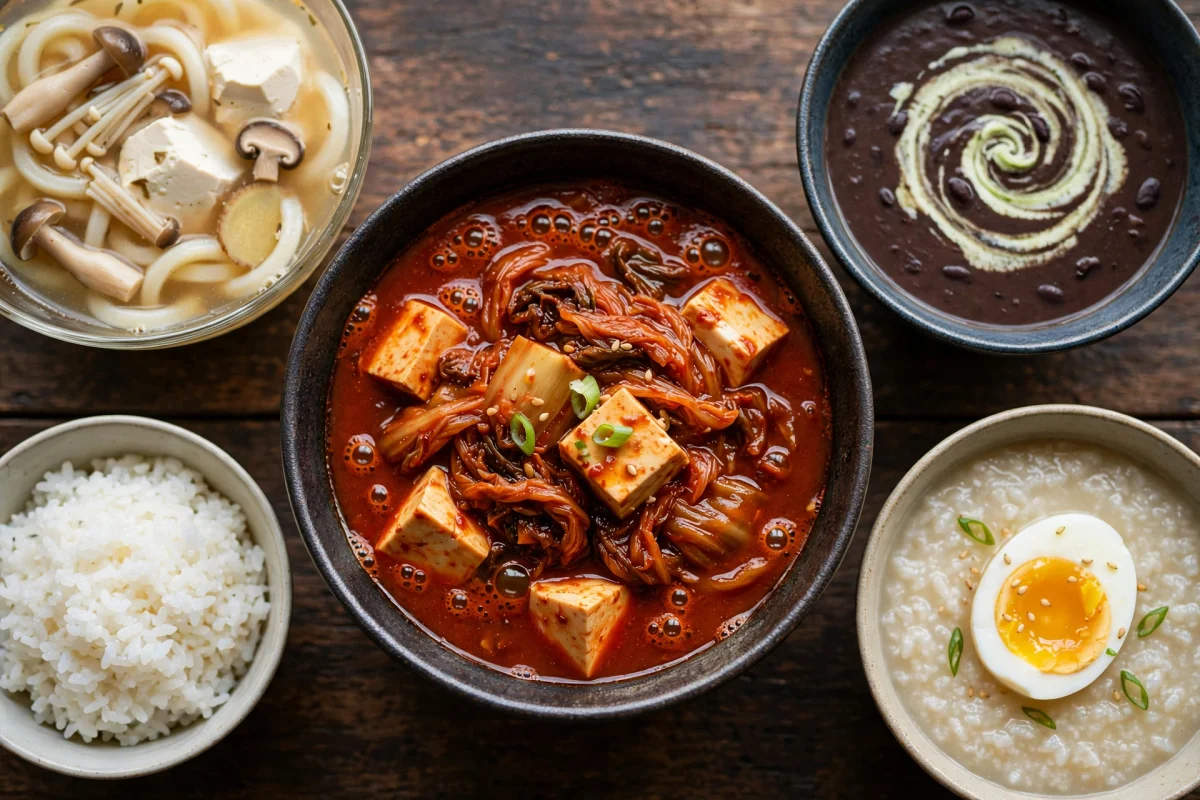
Gut health eating after antibiotics is a way of rebuilding your diet around fermented foods, gentle fibre, and cooked meals while your digestion settles. The tablets that cleared the infection also thinned out the bacteria that help you break food down, so the week after treatment is a repair job rather than a normal week.
A 7 day gut health meal plan after antibiotics is a week of breakfasts, lunches, dinners, and snacks built for that repair. It opens soft and low in fibre, puts a fermented food on the table from the first morning, and raises the fibre day by day so nothing arrives faster than your gut can handle.
This 7 day gut health meal plan after antibiotics includes rice, oats, noodles, soft vegetables, fish, chicken, eggs, tofu, yogurt, kefir, kimchi, miso, and sourdough, with something cultured in every single day. The one rule that shapes every plate is simple, keep it cooked and keep it calm until your body says otherwise.
It suits anyone finishing a course of antibiotics for a chest infection, a dental abscess, or a urinary infection, and anyone whose digestion has felt unpredictable since. If you have bloody diarrhoea, a fever, or pain that will not settle, speak to your doctor before you plan another meal, because that is not a job for a grocery list.
The reason to eat this way is that fermented foods and fibre feed the bacteria your gut lost, while soft cooked meals are easier to digest during recovery. Nothing here is a treatment and no plate promises to undo a course of tablets, but a week of warm, cultured, gently fibrous food is a kind place to restart.
Use the week however it fits. Cook the days out of order, repeat the breakfast you liked three times, and trade any dinner for another one in the list. This 7 day gut health meal plan after antibiotics bends around your appetite and your kitchen, and it is not a test you can fail.
Key Principles of a Gut Health Diet After Antibiotics
The rules below are what make this way of eating work after a course of antibiotics. They are about what you add and how quickly you add it, never about cutting foods out, and every plate in the week follows them in order.
1. Eat Something Fermented Every Day
Fermented foods carry live cultures that help repopulate the gut, and a small serving daily beats a big one once a week. Yogurt, kefir, kimchi, miso, labneh, sourdough, and aged cheese all count, and none of them need to be expensive. If dairy leaves you bloated, keep the kefir small and lean on miso and sourdough instead.
2. Ramp Fibre Up Slowly
Fibre feeds the bacteria you are trying to grow, yet a sudden jump from soft food to beans can leave you windy and sore. The first days lean on white rice, oats, and peeled cooked vegetables, then lentils, beans, and wholegrains arrive from day four. Add one new fibrous food at a time, since tolerance builds rather than switches on.
3. Keep Early Plates Cooked and Soft
Raw salad, slaw, and dense wholegrain bowls are hard work for a gut that is still healing, so the first half of this week cooks everything. Steamed greens, braised roots, poached fish, and soft rice break down easily and rarely leave you uncomfortable. Raw leaves can return once your digestion has been steady for several days.
4. Leave Alcohol Out While the Gut Settles
Alcohol irritates the gut lining and slows the repair you are trying to support, so this week is built without it. Sparkling water with lime, kefir, mint tea, and plain water cover the same moments without the setback, and the drinks guidance is worth a read. If you do drink, keep it away from the first week after treatment.
5. Treat This as Recovery, Not a Fix
Food supports recovery and it does not replace medical care. Diarrhoea that drags on, blood in the stool, a fever, or weight loss after antibiotics needs a doctor, and so does a reaction to the tablets themselves. Bring this way of eating to that conversation as something you are doing alongside treatment, never instead of it.
Your 7 Day Gut Health Meal Plan After Antibiotics Overview
This 7 day gut health meal plan after antibiotics features soft, cultured, easy recipes leaning on rice, oats, fish, and fermented foods, carrying the fibre ramp that makes each day a little more generous than the last, and it is perfect for anyone recovering at home with limited energy.
Day 1
Breakfast:
- Miso Rice Porridge with Soft Egg and Scallions: White rice simmers with ginger until it collapses into a soft porridge, then a spoon of white miso goes in off the heat with a jammy egg on top. It is the gentlest first breakfast after a course of tablets, warm and salty without asking much of you.
Lunch:
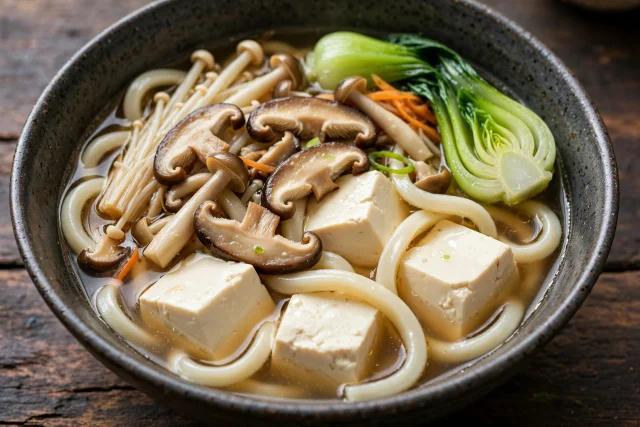
- Silken Tofu Udon in Ginger Broth: Udon noodles and cubes of silken tofu sit in a clear ginger broth with mushrooms and a little bok choy. Slurp it slowly, because the noodles are soft, the broth is warm, and nothing on the plate needs hard chewing.
Dinner:
- Ginger Poached Salmon with Rice and Spinach: Salmon poaches gently in ginger and spring onion broth, then lands on rice with wilted spinach. The fish stays soft and the rice drinks up the broth, which makes it a calm dinner for a stomach still deciding how it feels.
Snacks:
- Plain Kefir with Mashed Banana and Cinnamon: Cold kefir poured over a mashed ripe banana with a dusting of cinnamon. It takes a minute, gives you live cultures without effort, and tastes enough like a milkshake that nobody in the house notices it is recovery food.
Day 2
Breakfast:
- Kefir Pear Oat Smoothie: Kefir, a soft pear, oats, and a spoon of honey blitzed until thick enough for a straw. Make it the night before if mornings are rushed, then shake it hard, because the oats settle and the first sip should not be watery.
Lunch:
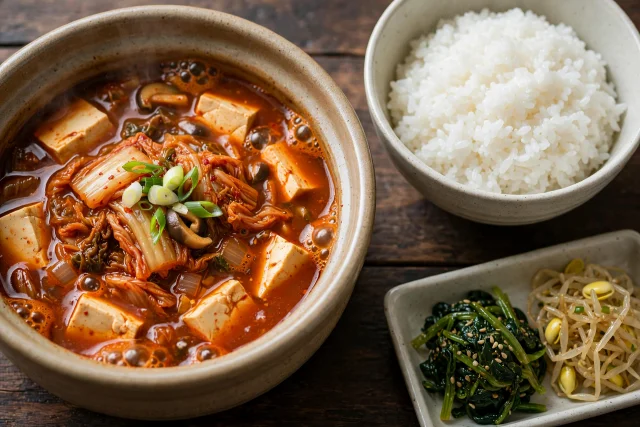
- Kimchi and Tofu Stew with Steamed Rice: Kimchi simmers with tofu, spring onion, and a little gochugaru until the broth turns sour and deep. It is the most flavour you can get into a soft meal, and the rice cools each spoonful so the heat never overwhelms.
Dinner:
- Doenjang Glazed Cod with Kabocha Mash: Cod fillets brushed with doenjang, honey, and sesame oil, roasted until the glaze sticks, with mashed kabocha squash beside them. Fermented soybean paste does the heavy lifting, so the fish tastes rich without butter or cream.
Snacks:
- Plain Yogurt with Stewed Pear: A pear stewed with a strip of lemon peel until it turns translucent, spooned over thick plain yogurt. Eat it warm, because warm fruit feels kinder than cold on a day when the gut is still finding its feet.
Day 3
Breakfast:
- Masala Oat Porridge with Yogurt Swirl: Oats cooked with milk, turmeric, cardamom, and a pinch of black pepper, then finished with a swirl of yogurt. The spices stay gentle rather than hot, and the yogurt goes in at the end so its cultures survive the heat.
Lunch:
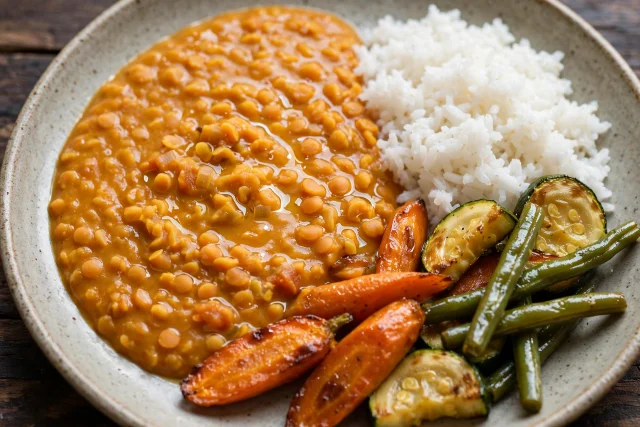
- Red Lentil Dal with Soft Rice and Roasted Carrots: Red lentils cook down with turmeric and cumin until they turn creamy, and the rice beside them is soft rather than firm. Roasted carrots add sweetness, and this is the first proper step up in fibre for the week.
Dinner:
- Coconut Fish Curry with Green Beans: White fish simmers in coconut milk with ginger, turmeric, and a handful of green beans until it flakes at a touch. Keep the chilli out for now and let the coconut carry the flavour while the beans add the first real vegetable bulk.
Snacks:
- Salted Mint Lassi: Yogurt, cold water, mint leaves, and a pinch of salt whisked until frothy. It is the drink to reach for after a warm curry, and the salt does more for a tired palate than sugar ever will.
Day 4
Breakfast:
- Yogurt with Toasted Pepitas and Papaya: Thick yogurt with cubes of ripe papaya and a scatter of toasted pumpkin seeds. Papaya is soft enough to eat without thinking, and the seeds give the bowl some crunch so breakfast does not feel like a hospital tray.
Lunch:
- Chicken Tinga with Soft Corn Tortillas: Chicken thighs simmer with tomato, smoked paprika, and a little chipotle until they shred, then pile into warmed corn tortillas. Skip the raw onion for now and let avocado and coriander do the fresh work instead.
Dinner:
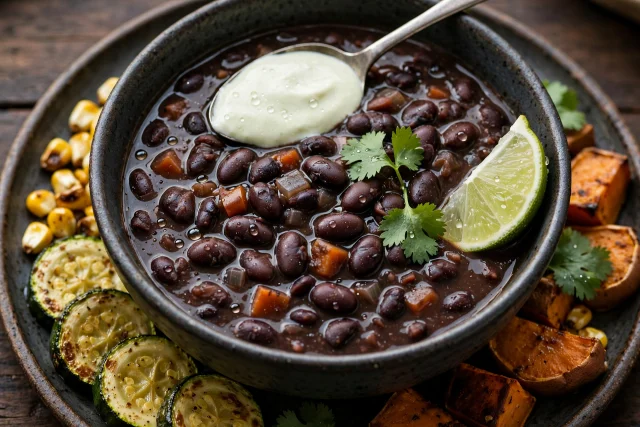
- Black Bean Soup with Lime Crema: Black beans blitzed half smooth with cumin and stock, then finished with a spoon of lime crema. This is the point where legumes come back in properly, and the crema keeps the bowl from tasting like a prescription.
Snacks:
- Toasted Corn Tortilla with Queso Fresco: A corn tortilla toasted until it blisters, then crumbled with queso fresco and a squeeze of lime. Two of these with a glass of water handle the four o'clock dip without opening a packet of anything.
Day 5
Breakfast:
- Rye and Kefir Porridge with Lingonberry: Rye flakes cooked in milk until they go thick and nutty, then loosened with kefir and topped with lingonberry. Rye brings more fibre than oats, so it lands midweek, once the first days have gone down quietly.
Lunch:
- Creamy Salmon and Potato Soup with Dill: Salmon and potato simmer in a light stock with leek and dill, finished with a spoon of sour cream. It is a bowl of something warm and familiar, and the sour cream brings a live culture without turning the soup heavy.
Dinner:
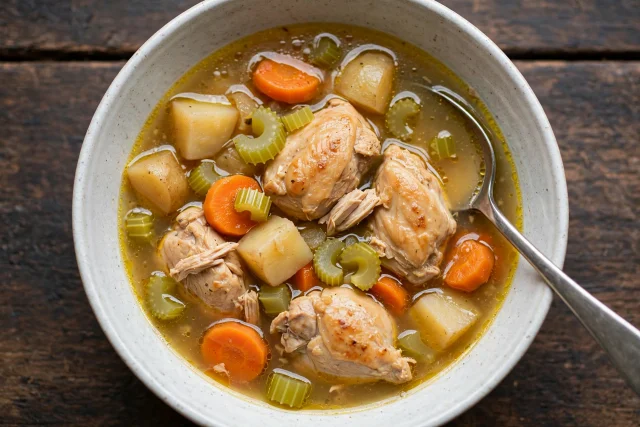
- Slow Simmered Chicken Stew with Root Vegetables: Chicken pieces braise with carrot, celery, and potato until the meat falls apart and the broth thickens on its own. The vegetables cook soft rather than crisp, which is exactly what the first half of this week asks for.
Snacks:
- Skyr with Honey and Crushed Hazelnuts: Thick skyr under a drizzle of honey and hazelnuts crushed in a pestle. It is denser and tangier than yogurt, it holds you until dinner better than a biscuit, and it takes less time than boiling the kettle.
Day 6
Breakfast:
- Labneh with Za'atar and Warm Pita: Labneh spread across a plate, pooled with olive oil, and dusted with za'atar, with warm pita torn around it. It is a breakfast that feels like a table full of people, even when it is just you and a quiet kitchen.
Lunch:
- Roasted Pumpkin and Lentil Bowl with Feta: Roasted pumpkin and warm green lentils with feta, mint, and a lemon dressing. Everything is cooked or soft, so the bowl gives you fibre and texture without a single raw leaf that might sit badly.
Dinner:
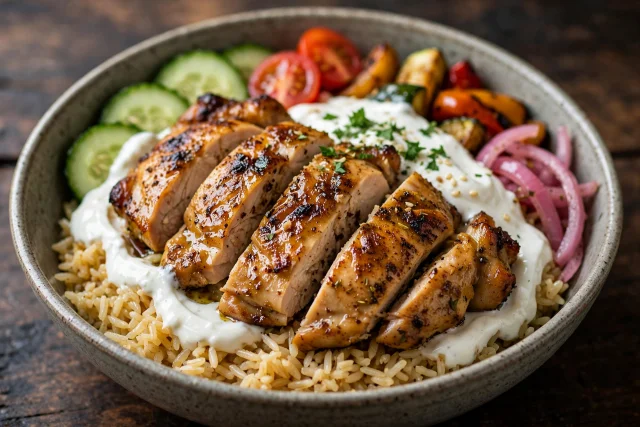
- Chicken Shawarma Bowl with Garlic Yogurt: Chicken thighs marinated in cumin, paprika, and lemon, roasted until the edges catch, then spooned over rice with garlic yogurt. The yogurt sauce is the cultured part of the day, and it cools every bite.
Snacks:
- Tahini and Honey on Sourdough: A slice of sourdough toasted dark, spread with tahini and honey, and finished with a pinch of salt. The bread is fermented, the tahini brings calcium, and the whole thing takes three minutes at the counter.
Day 7
Breakfast:
- Kefir Overnight Oats with Grated Apple: Oats soaked overnight in kefir with grated apple, cinnamon, and a few walnuts. Nothing needs cooking, the apple softens into the oats, and the jar travels to a desk without leaking.
Lunch:
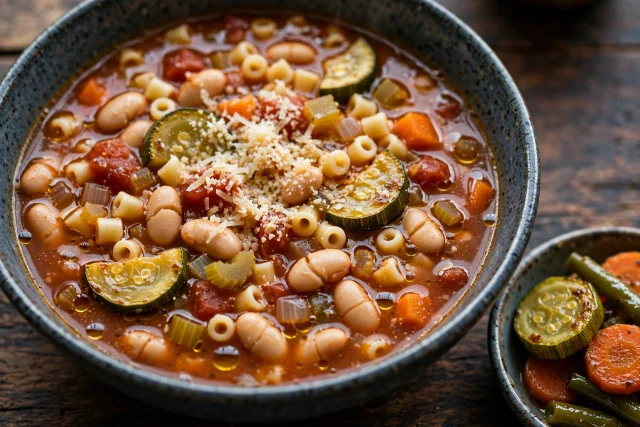
- Minestrone with White Beans and Parmesan: A big pot of tomato broth with white beans, small pasta, courgette, and a parmesan rind thrown in while it simmers. It is the highest fibre meal of the week, saved for the end when the gut has had time to catch up.
Dinner:
- Spinach and Ricotta Baked Pasta: Pasta baked with spinach, ricotta, and a little parmesan until the top goes golden at the edges. It is comfort food with greens folded through, and the leftovers reheat well for a lunch the next day.
Snacks:
- Ricotta with Honey and Toasted Walnuts: Cold ricotta with honey, walnuts, and a grating of lemon zest. It eats like dessert, needs no cooking, and closes the week on something sweet that still carries protein and calcium.
Your Complete Grocery List for a Gut Health Diet
Everything below covers the twenty eight dishes in one main shop, with a midweek stop for fish and fresh herbs. Buy the cultured dairy last and keep it cold on the way home, since those are the ingredients doing the quiet work in this gut health meal plan after antibiotics.
Fruits
- Bananas and Pears: Ripe bananas for mashing and soft pears for smoothies, stewing, and snacking (the kefir bowl, the pear smoothie, and the stewed pear).
- Apples and Citrus: Apples, lemons, and limes, more lemons than you think (the overnight oats, the dal, the crema, and the lassi).
Vegetables
- Roots and Squash: Carrots, kabocha squash, pumpkin, potatoes, celery, and leek (the dal, the mash, the chicken stew, the pumpkin bowl, and the soup).
- Greens and Alliums: Spinach, bok choy, courgette, green beans, spring onion, garlic, and ginger (the udon, the curry, the baked pasta, and the minestrone).
- Avocado and Herbs: Avocado, coriander, dill, and mint, bought close to the day you use them (the tinga, the salmon soup, the shawarma, and the lassi).
Proteins
- Poultry and Fish: Chicken thighs, salmon fillets, cod fillets, and one white fish for the curry (the poached salmon, the cod, the curry, the shawarma, and the stew).
- Eggs, Tofu and Legumes: Eggs, silken tofu, firm tofu, red lentils, green lentils, black beans, and white beans (the porridge, the udon, the dal, the soup, and the minestrone).
Grains and Bakery
- Rice and Noodles: Jasmine rice, short grain rice, udon noodles, and small pasta (the porridge, the stew, the shawarma, and the minestrone).
- Oats, Rye and Bread: Rolled oats, rye flakes, sourdough, pita, and corn tortillas (the smoothie, the overnight oats, the rye porridge, the labneh, and the tinga).
Dairy and Refrigerated
- Cultured Dairy: Plain kefir, plain yogurt, skyr, labneh, and sour cream, all live and unsweetened (every day of the week).
- Cheese: Queso fresco, feta, ricotta, and a wedge of parmesan with the rind kept for the pot (the tortilla snack, the lentil bowl, the baked pasta, and the minestrone).
Pantry, Oils and Flavorings
- Fermented Pastes and Condiments: White miso, doenjang, kimchi, tahini, and gochugaru (the rice porridge, the cod, the stew, and the sourdough snack).
- Spices, Nuts and Oils: Turmeric, cumin, smoked paprika, chipotle, cinnamon, cardamom, za'atar, olive oil, sesame oil, honey, walnuts, hazelnuts, and pumpkin seeds (the whole week).
Easy Swaps That Help You Rebuild Gut Health After Antibiotics
Cravings and real life both turn up midweek, and these five swaps keep the shape of a meal without pushing your gut faster than it wants to go. Each one answers a moment rather than a food, and everything listed is already on the shop above. If you want to keep the habit going after this fortnight, our week for the gut microbiome builds on the same idea.
- When You Want Something Crunchy: Reach for a toasted corn tortilla or a plain rice cake instead of a raw salad. The crunch arrives without the skins and seeds that can undo two calm days, and a squeeze of lime makes it taste intentional.
- When Dinner Needs to Be Faster: Trade the chicken stew for the shawarma bowl and use a shop-bought rotisserie chicken. You keep the warm rice and the garlic yogurt and lose an hour of braising on a night when nobody has the patience for it.
- When Breakfast Feels Boring: Swap the miso porridge for the kefir overnight oats and add the grated apple. It is colder and sweeter, it still carries a culture, and it means the morning needs no pan at all.
- When You Are Eating Out: Order a broth-based soup, a steamed fish, or a plain rice dish and ask for the salad on the side. Restaurant plates are usually richer than this week, so choose the cooked option and eat slowly rather than hunting for something perfect.
- When You Need More Protein: Add a jammy egg to the udon or a spoon of tahini to the porridge. Both slip in quietly, both keep the plate soft, and neither changes the fibre load that the week is carefully building.
Getting Started With Gut Friendly Foods After Antibiotics
Start with the shop and buy the fish on the day you plan to cook it. The first three days are deliberately plain, so cook them exactly as written and let your body tell you whether the pace is right before you add anything extra to the plate.
Keep a short note of how each day sits, because the useful information is in the pattern rather than any single meal. If a day leaves you bloated, hold at that level for another day before moving up the fibre ladder, and if something flares badly, call your doctor rather than pushing through the week.
Keep exploring with our gentle weeks for a flare-prone gut, soft, low-residue meals for calmer days, a week that leans on cultured foods, and a plain guide to choosing a probiotic strain, alongside a creamy curry worth cooking once the fibre is back and a holiday table that still leaves room for a gentle plate.
This article is for information only and is not medical advice. Read our full disclaimer.