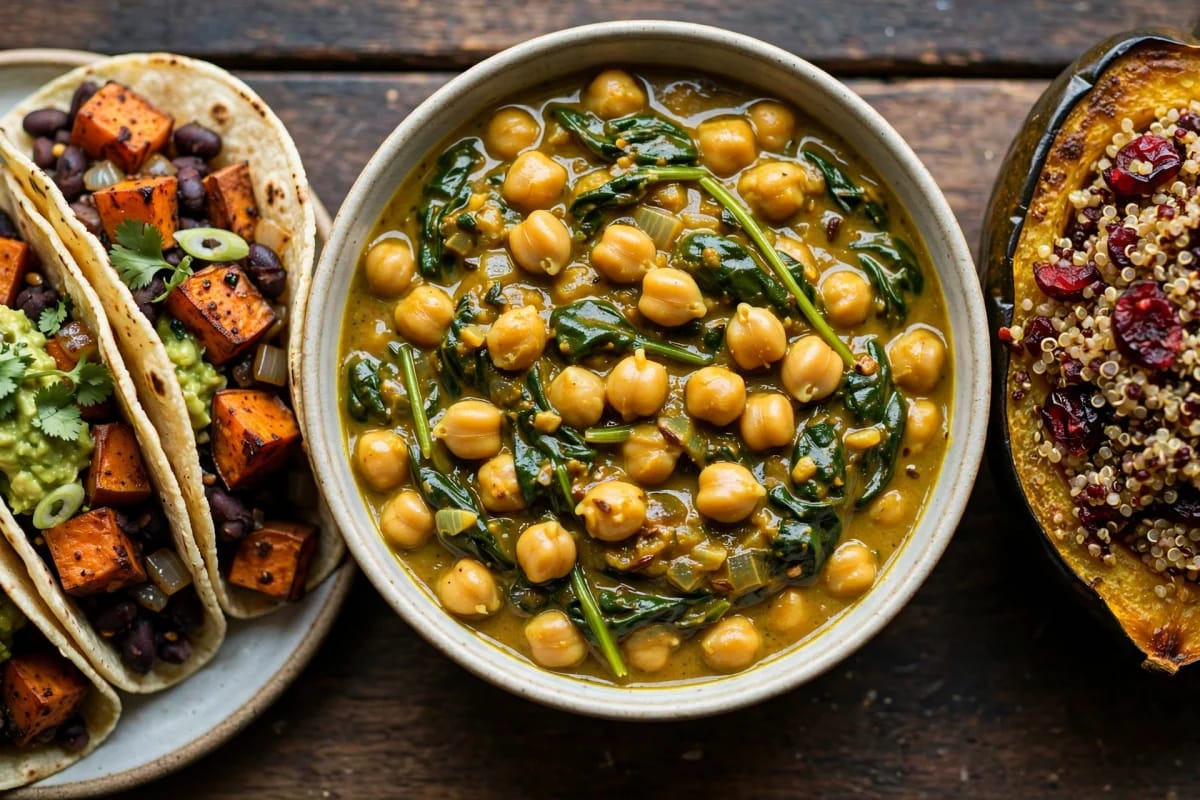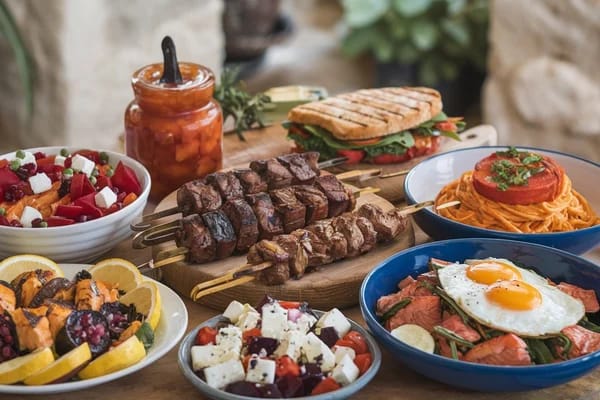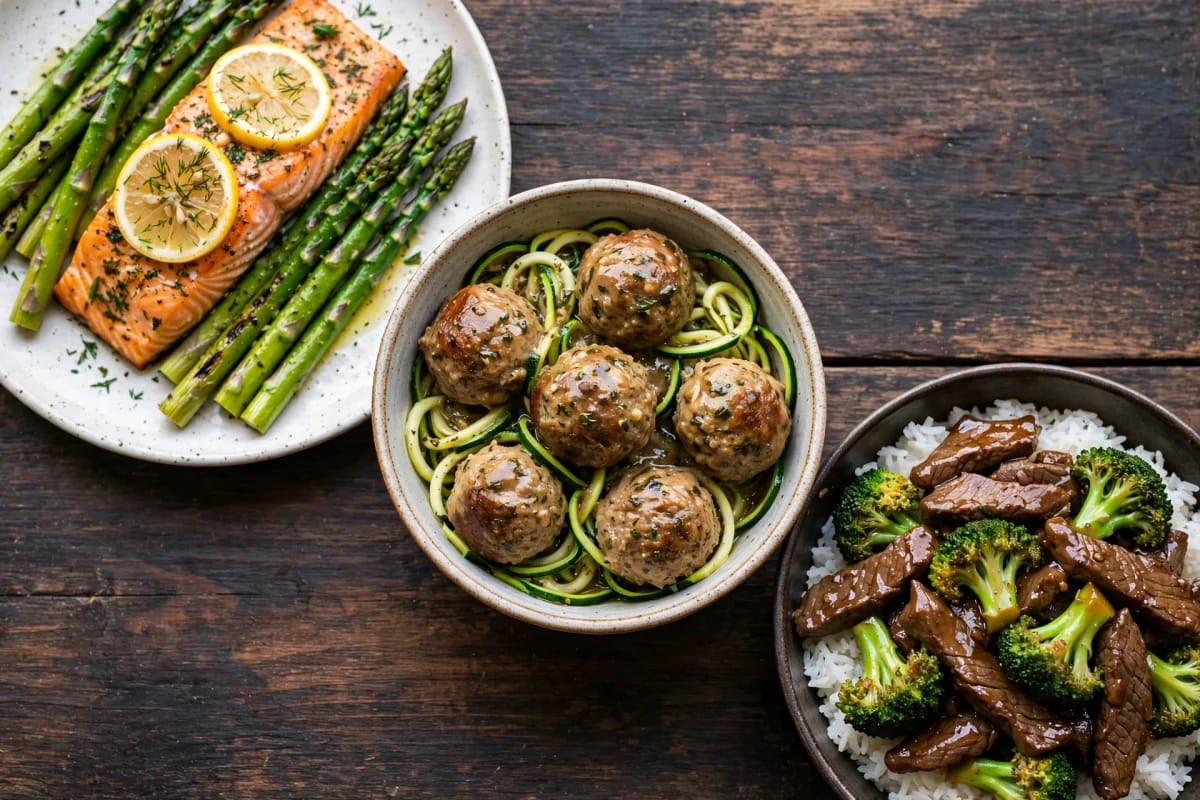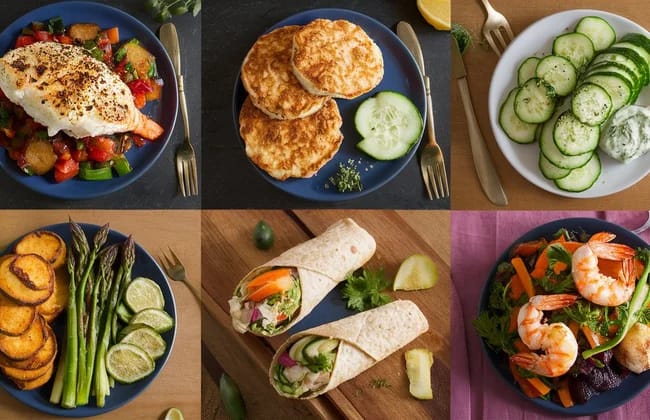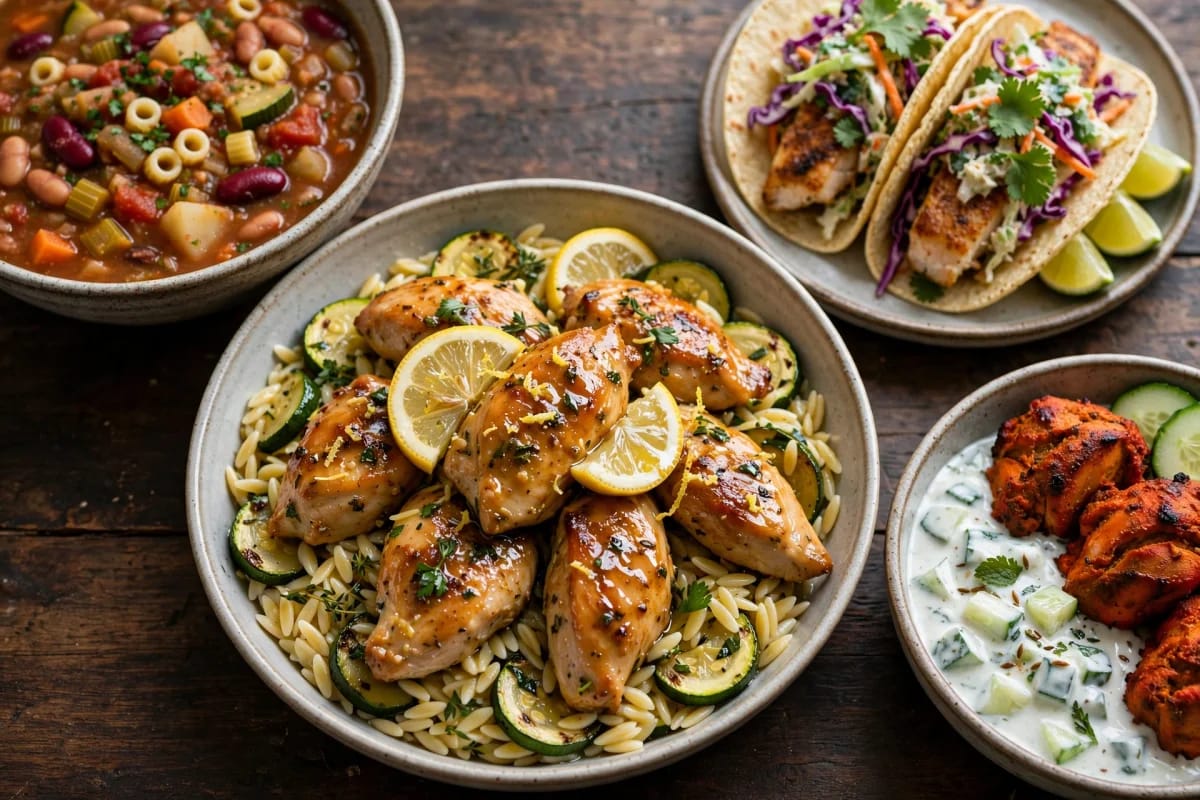
The volumetrics diet is a way of eating built on calorie density, which is the number of calories in a given weight of food. Foods with a lot of water and fiber, like soup, vegetables, and fruit, give you a bigger portion for fewer calories, so you eat more food and still take in less energy.
A 7 day volumetrics meal plan for weight loss is a weekly menu that puts that idea on the plate, with breakfast, lunch, dinner, and a snack for every day. Each meal carries a calorie figure, so you can see how a large bowl of soup lands lower than a small plate of pasta.
This 7 day volumetrics meal plan for weight loss leans on vegetables, fruit, beans, broth, lean protein, and whole grains, with calories listed for every dish. The one rule that shapes every plate is that the low density food comes first and takes up the most room, which is why the bowls here look generous rather than restrained.
It suits anyone who eats well but still feels hungry on a smaller plate, and anyone who wants a structured week rather than a list of rules. It is not the right approach during pregnancy, for anyone with a history of disordered eating, or for a medical condition that shapes fluid or calorie needs, so speak to your doctor before you start if any of that applies.
The reason to try it is volume. A bowl of minestrone with beans fills you up at around 420 calories, a plate of chicken and rice with a heap of vegetables does the same at 550, and fruit and soup take the edge off hunger before the main course arrives. None of this promises a specific result, since weight management depends on far more than one week of food.
Use the week in whatever order suits you. Repeat the dinners you liked, move a big lunch to the evening, and swap meals between days when your appetite runs differently. The structure is there to help, not to police you.
Key Principles of a Volumetrics Diet
The volumetrics diet is less about counting every bite and more about choosing foods that give you more to chew for the same energy. These are the rules that make the plates in this week work, and each one is a decision you can make in the shop rather than at a spreadsheet.
1. Eat More Food for Fewer Calories
Calorie density is the engine of this diet, and water is what lowers it. Grapes, tomatoes, and broth based soups sit at the low end because most of their weight is water, while oil, nuts, and cheese sit at the high end because they carry almost none. Fill the plate with the low end and use the high end as a flavour layer.
2. Fill Half the Plate With Vegetables and Fruit
Half the plate is the target at lunch and dinner, and it is easier to hit when the vegetables are cooked in a way you actually like. Roasted, steamed, or folded into a sauce all count, and fruit does the same job at breakfast. Volume arrives before the protein does, so hunger settles early in the meal.
3. Start With Soup or Salad
A bowl of broth based soup or a plate of raw vegetables at the start of a meal takes the edge off appetite before the main dish lands. Soup works best when it is thin rather than creamy, since cream adds calories without adding much volume. This is the single easiest habit in the whole pattern.
4. Keep Protein Lean and Portioned
Chicken breast, white fish, shrimp, tofu, beans, and yogurt give you protein without much fat, which keeps the calorie count down while the plate stays full. A palm sized portion is enough at most meals, and beans can carry the protein on their own. Protein also helps the meal hold you longer than vegetables alone.
5. Watch the Fats, Not the Carbs
Fat carries more than twice the calories of carbohydrate or protein per gram, so oil, butter, cheese, and nuts are where a low calorie plate quietly becomes a high one. That does not mean cutting them out, since a little olive oil makes vegetables worth eating. Measure the oil with a spoon rather than pouring it.
6. Choose Water Rich Foods and Drink Water
Foods that hold water, like cucumbers, melon, tomatoes, and soup, keep you fuller than dry foods of equal calories. Drinking water with meals supports the same effect and costs nothing, which is why hydration sits alongside the food rules rather than after them. Fizzy drinks and juice add calories without any volume at all.
7. Eat Until Satisfied, Not Stuffed
The aim is comfortable fullness, which arrives partway through a large bowl rather than at the end of it. Stop there and keep the rest for later, since this volumetrics meal plan works on the pattern across a week rather than any single meal. Feeling deprived is a sign the plate was built wrong, not a sign of discipline.
The volumetrics diet is a way of choosing food rather than a promise of weight loss, and it is not a medical treatment. Anyone with a health condition, a history of disordered eating, or medication that affects appetite should set the details with their doctor or dietitian.
Your 7 Day Volumetrics Meal Plan for Weight Loss Overview
This 7 day volumetrics meal plan for weight loss features easy recipes and the diet's named foods leaning on vegetables, beans, broth, lean protein, and fruit, carrying the foods that keep every plate low in calorie density, and it is perfect for anyone who wants a full plate while eating lighter.
Day 1
Breakfast:
- Greek Yogurt with Strawberries and Oats: Thick yogurt layered with sliced strawberries, a spoon of oats, and a little honey, about 380 calories. The bowl looks bigger than the number suggests, and the protein keeps the morning steady until lunch.
Lunch:
- Lentil and Vegetable Soup with Feta: Lentils, carrot, celery, and tomato simmer into a thick soup, finished with crumbled feta, about 430 calories. The bowl is enormous and the fiber does most of the filling.
Dinner:
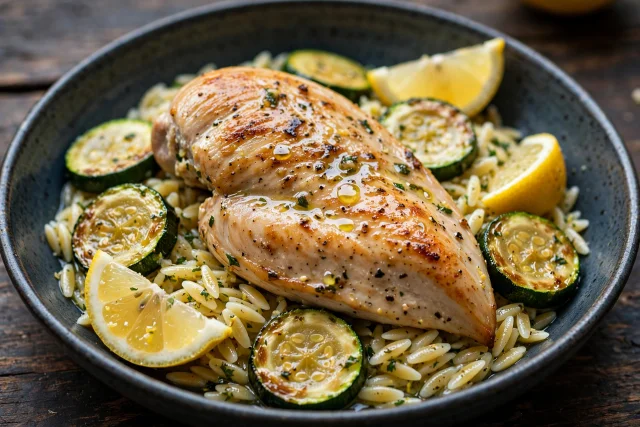
- Lemon Chicken with Zucchini and Orzo: Chicken breasts roast with lemon and oregano over orzo and zucchini rounds, about 540 calories. The orzo soaks up the pan juices, so nothing on the plate tastes like a diet dinner.
Snacks:
- Cucumber and Tzatziki Plate: Thick cucumber spears with a bowl of yogurt, grated garlic, and dill dip, about 160 calories. The cold crunch carries you through the long gap before dinner without touching the bread.
Day 2
Breakfast:
- Vegetable Frittata with Spinach: Eggs baked with spinach, peppers, and a little Parmesan, then cut into thick wedges, about 360 calories. It reheats well, so make the whole pan and eat it twice in the week with a handful of tomatoes.
Lunch:
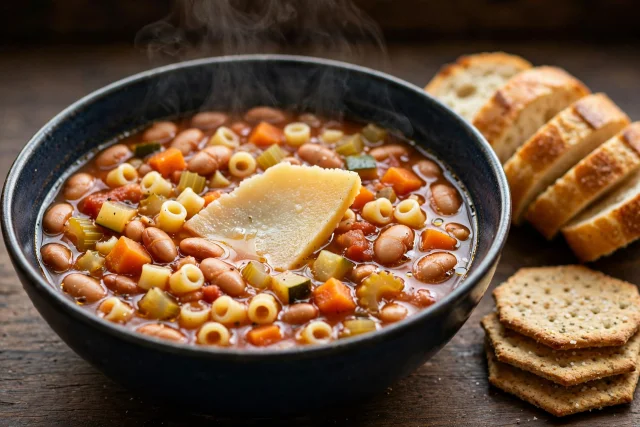
- Italian Minestrone: Beans, small pasta, and vegetables simmer in a tomato broth, with a slice of bread on the side, about 420 calories. This soup fills a bowl and a stomach at once, and it tastes better the next day.
Dinner:
- Spaghetti Squash with Turkey Bolognese: Roasted spaghetti squash under a lean turkey and tomato sauce, about 530 calories. The squash strands carry the sauce, so the plate still looks like pasta night.
Snacks:
- Roasted Pepper and White Bean Dip with Cucumber: Blended white beans with roasted pepper, served with cucumber rounds, about 180 calories. The texture is creamy without any cream, and it keeps for days in the fridge.
Day 3
Breakfast:
- Breakfast Burrito Bowl with Black Beans and Egg: Black beans, scrambled egg, salsa, and a little rice in a bowl, about 440 calories. Skip the tortilla and you keep the flavour with far more volume on the plate.
Lunch:
- Mexican Chicken and Zucchini Soup: Chicken simmered with zucchini, tomato, and mild chili in a clear broth, about 380 calories. The broth stays light but still tastes like a proper meal on a cold afternoon.
Dinner:
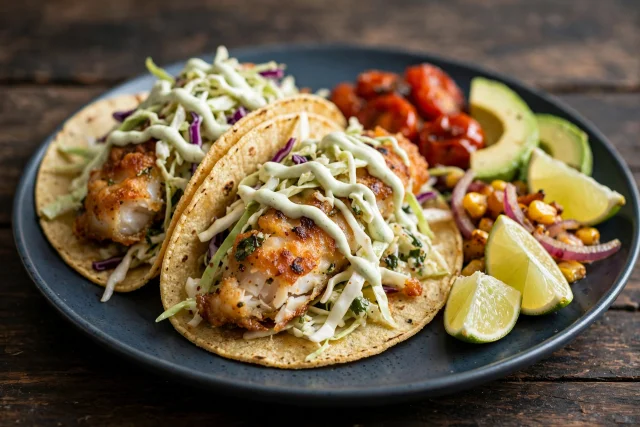
- Fish Tacos with Cabbage Slaw and Lime Crema: White fish in corn tortillas with shredded cabbage and a yogurt lime crema, about 520 calories. Two tacos plus a heap of slaw is a lot of food for the number.
Snacks:
- Jicama and Watermelon with Chili Lime: Cold jicama and watermelon sticks dusted with chili powder and squeezed with lime, about 140 calories. Crunch and sweetness are exactly what a warm afternoon wants from a snack.
Day 4
Breakfast:
- Rice Porridge with Mushrooms and Scallions: Rice cooked down in stock with mushrooms, ginger, and scallion until it turns soft and savoury, about 360 calories. Warmth and salt settle a stomach before a long day at a desk.
Lunch:
- Thai Green Papaya Salad with Grilled Shrimp: Shredded papaya, carrot, and herbs with lime, fish sauce, and grilled shrimp, about 400 calories. The crunch and the acid make it feel far richer than it is.
Dinner:
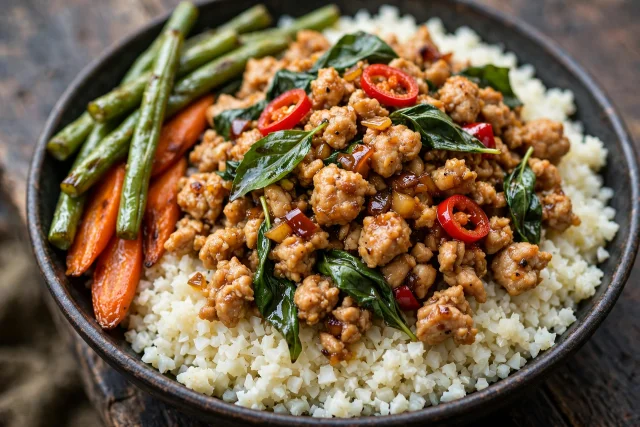
- Thai Basil Chicken with Cauliflower Rice: Ground chicken stir fried with basil, garlic, and chili over cauliflower rice, about 510 calories. The cauliflower takes the sauce the way rice would, and the plate stays huge.
Snacks:
- Thai Cucumber and Herb Salad: Cucumber, coriander, mint, and lime tossed with a few crushed peanuts, about 160 calories. Coolness and sharp acid make it the best thing to eat when the kitchen is hot and no one wants to cook.
Day 5
Breakfast:
- Japanese Breakfast Bowl with Rice, Egg, and Pickles: A small bowl of rice with a soft egg, pickles, and a sprinkle of sesame, about 420 calories. The savoury start does not sit heavily on a working morning.
Lunch:
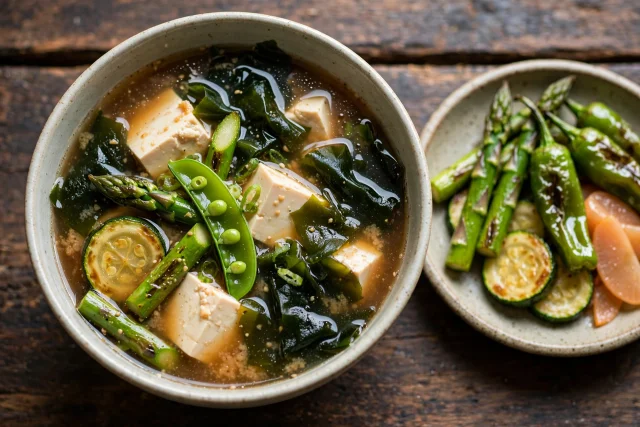
- Miso Soup with Tofu and Seaweed: Miso broth with tofu, seaweed, and vegetables, served with a small bowl of brown rice, about 370 calories. The liquid fills you before the rice does, which is the whole idea.
Dinner:
- Teriyaki Salmon with Steamed Broccoli and Rice: Salmon glazed with teriyaki and roasted, with steamed broccoli and rice, about 540 calories. This is the most satisfying dinner of the week and it takes twenty minutes.
Snacks:
- Edamame with Sea Salt: A bowl of steamed edamame pods with flaky salt and a squeeze of lemon, about 170 calories. Podding them slows you down, which is half the reason the snack works so well in the late afternoon.
Day 6
Breakfast:
- Spanish Tomato Bread with Boiled Egg: Toasted bread rubbed with tomato and olive oil, topped with sliced boiled egg, about 380 calories. Rubbing tomato into hot toast feels like a small ritual rather than a restriction.
Lunch:
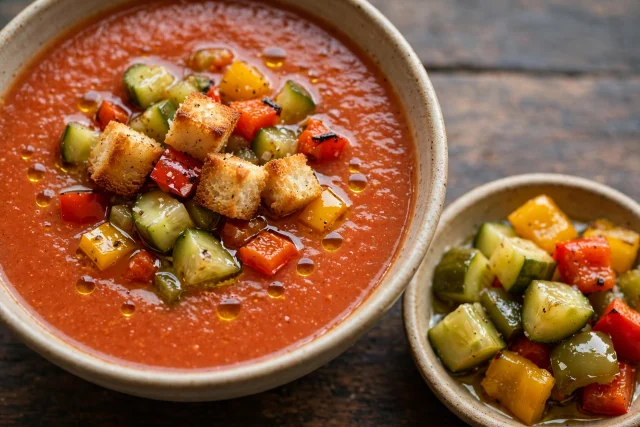
- Andalusian Gazpacho: Chilled tomato, cucumber, and pepper soup with a little olive oil, served with a small chickpea salad, about 360 calories. Cold soup and beans is a lunch that keeps you full for hours on a warm day.
Dinner:
- Spanish Chicken and Rice with Peppers: Chicken pieces cooked with rice, peppers, and saffron in one pan, about 550 calories. One family pan happens to fit this 7 day volumetrics meal plan for weight loss without substitutions.
Snacks:
- Orange and Fennel Salad: Orange segments with shaved fennel, lemon juice, and a few olives, about 150 calories. Brightness and clean acid work just as well as a snack or as a side for the chicken dinner.
Day 7
Breakfast:
- Vegetable Poha with Peas: Flattened rice cooked with peas, carrot, turmeric, and a squeeze of lemon, about 370 calories. It takes ten minutes and gives you a savoury breakfast with real volume instead of a pastry.
Lunch:
- Lentil and Spinach Dal with Brown Rice: Red lentils cooked with spinach, cumin, and ginger, then served over brown rice, about 460 calories. The bowl is deep, cheap, and filling in a way that a small salad rarely manages to be.
Dinner:
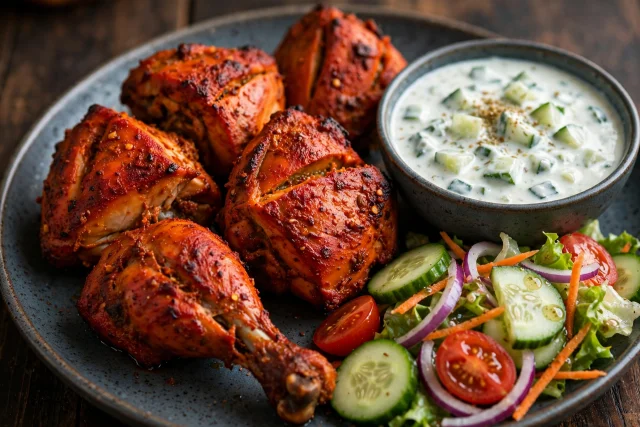
- Tandoori Chicken with Cucumber Raita and Salad: Yogurt marinated chicken roasted until charred, with cucumber raita and a big salad, about 520 calories. The salad is not a garnish here, it is half the plate.
Snacks:
- Spiced Buttermilk with Mint: Cold buttermilk blended with fresh mint, roasted cumin, and a pinch of salt, about 140 calories. A drinkable snack cools a spicy day and costs almost nothing to make at home.
Your Volumetrics Diet Food List
The shop below covers all twenty eight dishes in one trip, and most of the weight in the trolley is vegetables, fruit, and beans rather than packets. Buy the fish and shrimp on the day you cook them, and keep a bag of lentils and a tin of beans as your backup dinners.
Fruits
- Berries and Melon: Strawberries and one small watermelon (the yogurt bowl and the chili lime snack).
- Citrus and Orchard: Lemons, limes, and oranges (the dressings, the crema, the chicken, and the fennel salad).
Vegetables
- Leafy and Crunchy: Spinach, cabbage, cucumber, fennel, and jicama (the frittata, the slaw, the tzatziki plate, the salad, and the snack).
- Roots and Alliums: Carrots, celery, onion, garlic, ginger, and scallion (the soups, the dal, the porridge, and the stir fry).
- Fruiting Vegetables: Tomatoes, peppers, zucchini, and one spaghetti squash (the gazpacho, the frittata, the chicken tray, and the bolognese).
- Greens and Pods: Broccoli, green beans, papaya, edamame, and mushrooms (the salmon tray, the stir fry, the salad, the snack, and the porridge).
Proteins
- Poultry: Chicken breasts, chicken pieces, and ground chicken (the lemon tray, the Spanish rice, and the basil stir fry).
- Fish and Seafood: White fish fillets, salmon fillets, and raw shrimp (the tacos, the teriyaki tray, and the papaya salad).
- Plant Protein: Red lentils, brown lentils, black beans, white beans, chickpeas, silken tofu, and edamame (the soups, the dal, the bowl, the dip, and the snack).
- Dairy and Egg: Eggs, Greek yogurt, buttermilk, feta, and a little Parmesan (the breakfasts, the raita, the dip, and the soup).
Grains and Bakery
- Rice and Noodles: Long grain rice, brown rice, orzo, and small soup pasta (the bowls, the minestrone, the chicken tray, and the dal).
- Bread and Tortillas: One good loaf and corn tortillas (the tomato bread, the minestrone, and the fish tacos).
- Poha and Oats: Flattened rice and rolled oats (the vegetable poha and the yogurt bowl).
Dairy and Refrigerated
- Yogurt: Greek yogurt and plain yogurt for the raita, the crema, and the tzatziki.
- Cheese: Feta and a small wedge of Parmesan for the soup and the frittata.
Pantry and Flavorings
- Broth and Cans: Light chicken or vegetable stock, tinned tomatoes, and tinned beans (every soup, the bolognese, and the dip).
- Condiments: Miso paste, teriyaki sauce, fish sauce, olive oil, and honey (the miso soup, the salmon, the papaya salad, the dressings, and the yogurt bowl).
- Spices and Herbs: Cumin, turmeric, chili powder, saffron, paprika, oregano, dill, coriander, mint, basil, and black pepper (the whole week).
- Nuts and Seeds: Peanuts and sesame seeds, both used in small amounts (the cucumber salad and the breakfast bowl).
- Pickles and Olives: A small jar of pickles and a handful of olives (the Japanese breakfast and the fennel salad).
Easy Volumetrics Diet Swaps for Hungry Evenings
Hunger at the end of the day is the moment most plans fall apart, and these five swaps answer it with volume rather than willpower. Everything on the list comes from the grocery list above, so nothing extra needs buying and nothing goes to waste.
- When You Are Hungry an Hour After Dinner: Make a bowl of the miso broth with extra vegetables instead of opening the cupboard. The warmth and the liquid fill the gap for very few calories.
- When You Want Something Creamy: Blend white beans with roasted pepper and a spoon of olive oil instead of reaching for a cheese sauce. The texture is rich and the protein keeps you satisfied longer.
- When You Crave Something Crisp: Slice cucumber, jicama, or fennel and eat it with the tzatziki or the bean dip. The crunch is the point, and the dip carries the flavour.
- When Dinner Needs to Be Faster: Trade the Spanish rice for the lentil soup and add a boiled egg. You lose the pan and keep the protein, and dinner is on the table in ten minutes.
- When You Are Eating Out: Order a broth based soup or a starter salad first, then a grilled main with extra vegetables instead of fries. The order matters more than the restaurant.
How to Start a Volumetrics Diet Without Feeling Deprived
Begin with the meals you already like and add volume rather than removing food, so the first week feels like more on the plate instead of less. The soups and the chicken trays are the easiest places to start, and both make enough for a second meal.
Weigh nothing for the first week and use the calorie figures as a guide rather than a contract you have to obey. If you are hungry, add vegetables, broth, or fruit before you add anything else, and let the pattern settle before you fine tune it.
Keep exploring with our structured 1,400 calorie week for steady eating, a 1,600 calorie plan with more room at dinner, a week aimed at belly fat with high volume meals, and a protein led plan for appetite control, alongside a copycat quesadilla for a weekend treat and a Ugandan pork stir fry worth trying once.
This article is for information only and is not medical advice. Read our full disclaimer.