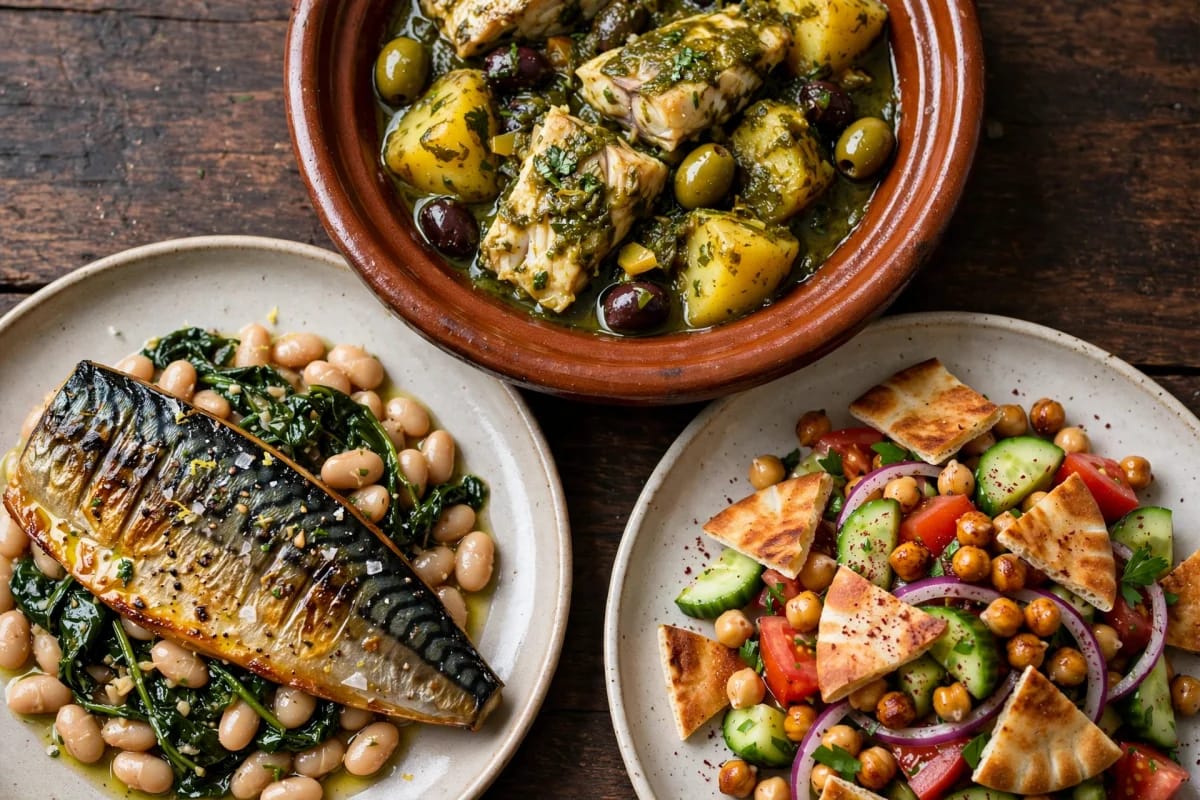
The Mediterranean DASH diet combines two well studied eating patterns, the Mediterranean diet and the DASH diet, into one plan built around vegetables, fruit, beans, whole grains, olive oil, and fish. It keeps the heart friendly parts of both, which means plenty of plants on the plate and a firm lid on sodium.
A 7 day Mediterranean DASH meal plan for heart health is a week of breakfasts, lunches, dinners, and one snack built from those foods, with salt kept low enough to matter. Fish appears twice, olive oil carries most of the cooking, and nothing processed sits in the fridge.
The week leans on lentils, chickpeas, whole grains, leafy greens, tomatoes, yogurt, and olive oil, with chicken in between and herbs, lemon, and spice doing the seasoning. Keeping sodium near 2,300 milligrams a day, and closer to 1,500 if your doctor asks for it, is the rule that shapes every plate here.
It suits anyone whose doctor has mentioned blood pressure or cholesterol, and anyone with a family history of heart disease who wants to eat more carefully without going on a strict diet. If you take blood pressure medication or have kidney disease, talk to your doctor first, because sodium and potassium changes can shift your numbers.
The reasons to try it are practical rather than dramatic. Olive oil and nuts replace butter and cream, fish brings omega 3 fats, and the fibre in beans and whole grains helps with cholesterol and with feeling full. The official DASH eating plan sets out the pattern and the sodium targets in plain terms.
Use the week in whatever shape your calendar allows. Swap a lunch for a dinner, repeat the fish night you liked most, and cook the days out of order, because the pattern is what protects your heart rather than the order of the calendar.
Key Principles of a Mediterranean DASH Diet
The Mediterranean DASH diet is less about removing foods and more about shifting the balance toward plants, fish, and olive oil while the salt comes down. These are the rules that decide what fills the plate, how the sodium stays low, and where the flavour comes from instead.
1. Build Meals Around Plants
Half the plate is vegetables, beans and lentils appear most days, and whole grains replace refined ones wherever they fit. This is the base of both diets, and the healthy eating plate is a useful picture of what that looks like before you cook.
2. Keep Sodium Low
Aim under 2,300 milligrams a day, and closer to 1,500 if your doctor has asked for it, which means reading labels rather than only putting down the salt shaker. Bread, cheese, tinned goods, stock, and restaurant food carry most of the sodium in a normal week, and rinsing canned beans removes a useful amount.
3. Use Olive Oil as Your Main Fat
Olive oil replaces butter, cream, and most other fats in cooking and at the table. It is a good source of monounsaturated fat, and a tablespoon or two per meal is the working amount, since it is still an energy dense food even when the fat is a healthy one.
4. Eat Fish Twice a Week
Two fish meals a week is the target, and oily fish such as mackerel, sardines, and salmon carry the most omega 3 fats of anything in the sea. Tinned fish counts if you choose a no salt added version, and fish replaces a meat dinner rather than sitting beside it on the same plate.
5. Choose Lean Poultry and Low-Fat Dairy
Chicken, yogurt, and a little cheese fill the gaps that plants and fish leave in the week. Processed meat stays out entirely, which means no bacon, sausage, ham, or deli slices, since they combine high sodium with saturated fat in the same mouthful.
6. Season With Herbs, Citrus, and Spice
Lemon, vinegar, garlic, cumin, sumac, and fresh herbs do the work salt usually does in a kitchen. Acid in particular makes a low sodium dish taste finished, and a squeeze of lemon at the table is often the whole difference between flat and genuinely good.
One medical point before you begin. If you take blood pressure medication or have kidney disease, changing sodium and potassium intake can shift your numbers, so tell your doctor what you are doing and get checked rather than adjusting any dose yourself.
Your 7 Day Mediterranean DASH Meal Plan for Heart Health Overview
This 7 day Mediterranean DASH meal plan for heart health features easy recipes and the diet's named foods leaning on beans, whole grains, vegetables, olive oil, and fish, carrying the fibre and unsaturated fat that a heart healthy week runs on, and it is perfect for beginners and busy households cooking for someone they love.
Day 1
Breakfast:
- Greek Yogurt with Figs, Walnuts, and Cinnamon: Thick yogurt with chopped dried figs, toasted walnuts, and a dusting of cinnamon, with no added sugar and no salt anywhere near it. It is a five minute breakfast that tastes like a holiday and keeps you going until lunch.
Lunch:
- Lentil Soup with Spinach and Lemon: Brown lentils simmered with onion, carrot, and bay until soft, then finished with spinach and a lot of lemon. The lemon does the work salt usually does, and the soup thickens overnight into something even better.
Dinner:
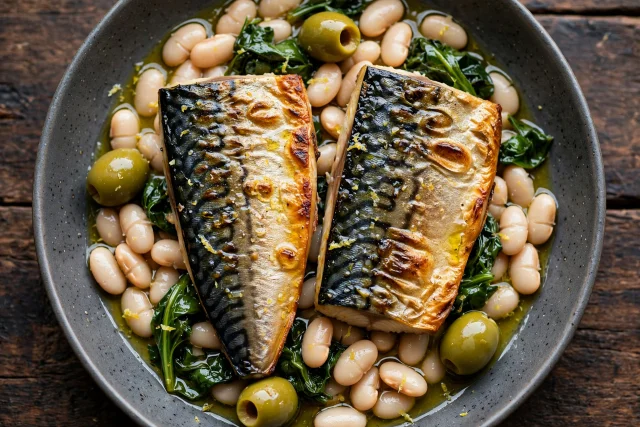
- Grilled Mackerel with White Beans and Greens: Mackerel fillets grilled skin side down until crisp, served over white beans and wilted greens with lemon and a few olives. Oily fish twice a week is the aim here, and this is the simplest way to hit the first one.
Snack:
- Orange and Pistachios: A peeled orange with a small handful of shelled pistachios, eaten slowly enough to notice them. It is the least complicated snack of the week, and the orange gives you potassium along with something sweet.
Day 2
Breakfast:
- Labneh with Cucumber, Mint, and Olive Oil: Labneh spread across a plate with cucumber, torn mint, and a thread of olive oil, eaten with warm whole wheat pita. It is a calm, fresh start to the day, and the mint makes you forget there is no salt anywhere in it.
Lunch:
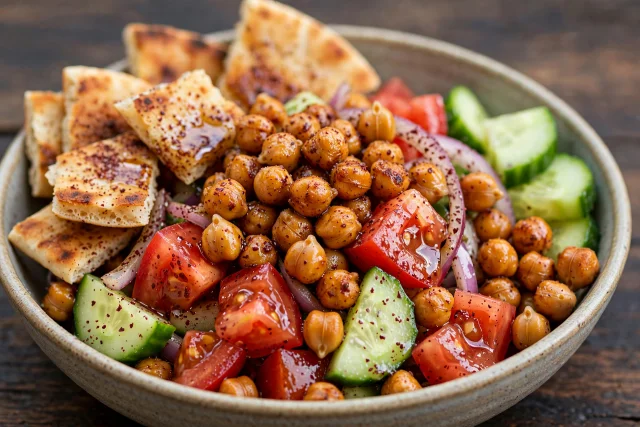
- Fattoush Salad with Chickpeas: Lettuce, tomato, cucumber, radish, and chickpeas tossed with toasted pita and a sumac and lemon dressing. The sumac gives it a sour, savoury edge without a grain of salt, and the chickpeas make it a full meal.
Dinner:
- Chicken and Freekeh Pilaf with Toasted Almonds: Chicken pieces cooked with freekeh, onion, and warm spices until the grain is chewy and the kitchen smells like a market. Toasted almonds on top add the crunch, and a squeeze of lemon at the table finishes the whole dish.
Snack:
- Dates Stuffed with Walnuts: Two dates split and stuffed with a walnut half each, eaten with a cup of tea at the end of the afternoon. Sweet, chewy, and gone in a minute, and they carry potassium and fibre rather than the empty sugar of a biscuit.
Day 3
Breakfast:
- Polenta with Poached Egg and Roasted Tomatoes: Soft polenta under a poached egg and slow roasted tomatoes with thyme, all in one shallow bowl. The yolk runs into the polenta and does the job butter usually does, and there is no salt needed at the table.
Lunch:
- Farro Salad with Roasted Peppers and Basil: Chewy farro tossed with roasted red peppers, torn basil, and a lemon and olive oil dressing. It keeps two days in the fridge without going soft, and it is the lunch that makes a desk day feel civilized.
Dinner:
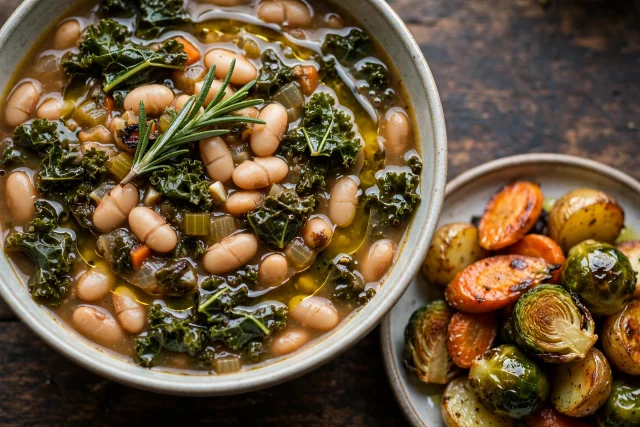
- White Bean and Kale Stew with Rosemary: Cannellini beans and kale simmered with tomato, garlic, and rosemary until the broth turns thick and savoury. Rinse the beans well and the sodium drops, and a Parmesan rind in the pot adds depth without any salt.
Snack:
- Pear Slices with Ricotta and Cinnamon: A ripe pear sliced and layered with ricotta and a dusting of cinnamon, with a few toasted walnuts scattered over if you have them. It feels like a small dessert, and the ricotta brings calcium rather than cream.
Day 4
Breakfast:
- Barley Porridge with Apple and Cardamom: Pearl barley cooked until soft with milk, grated apple, and ground cardamom, finished with a spoon of yogurt. It is chewy and warming rather than sweet, and the barley gives you fibre that keeps the whole morning steady.
Lunch:
- Roasted Carrot and Chickpea Salad with Cumin: Carrots roasted until the edges caramelise, tossed with chickpeas, parsley, cumin, and lemon. The roasting does the flavouring, so nothing needs salt, and it holds up in a lunch box without going soggy.
Dinner:
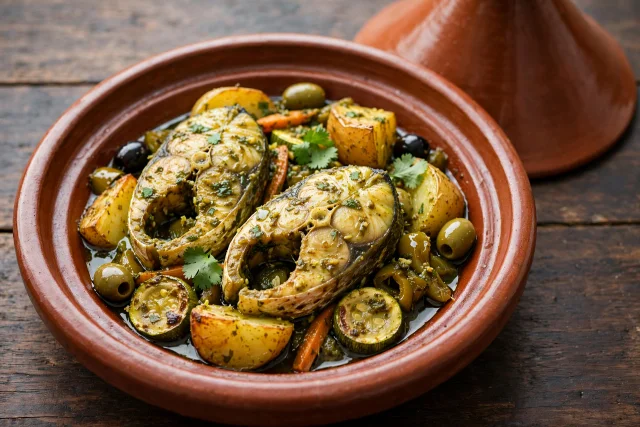
- Chermoula Fish Tagine with Potatoes and Olives: White fish simmered in a chermoula of coriander, parsley, garlic, cumin, and lemon, with potatoes and a few olives. This is the second fish dinner of the week, and the sauce is bright enough that nobody misses the salt.
Snack:
- Almonds and Dried Apricots: A small handful of almonds with three or four dried apricots, kept in a bag in the desk drawer. It is the snack that travels best, and the combination of fat and fibre stops the afternoon from dragging.
Day 5
Breakfast:
- Miso Soup with Tofu and Scallions: A light miso broth with cubes of silken tofu, scallions, and a little wakame, served with a small bowl of rice. Use a low sodium miso and less of it, and the bowl still tastes like a proper Japanese breakfast.
Lunch:
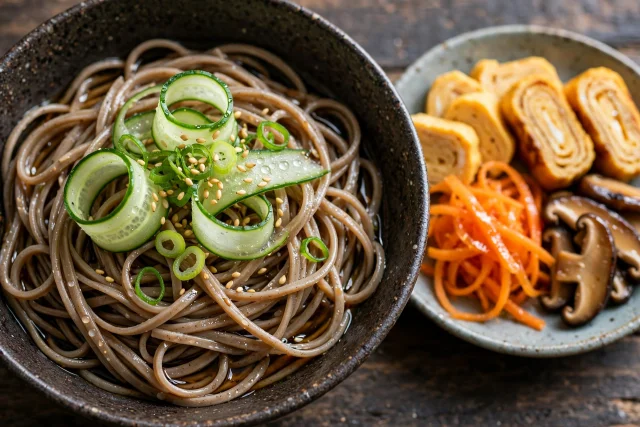
- Cold Soba Noodle Salad with Cucumber and Sesame: Chilled soba tossed with cucumber ribbons, scallions, sesame seeds, and a dressing of rice vinegar and a little soy. It is cold, sharp, and exactly what a warm afternoon asks for, and it takes ten minutes.
Dinner:
- Teriyaki Tofu with Bok Choy and Brown Rice: Firm tofu browned and glazed with a homemade teriyaki of ginger, garlic, and a little honey, with bok choy and brown rice. Making the sauce yourself is how the sodium stays down, since bottled teriyaki is mostly salt.
Snack:
- Rice Cakes with Sesame and Avocado: Plain rice cakes with mashed avocado, sesame seeds, and a squeeze of lime, plus a pinch of chili flakes if you want it. It is crunchy, creamy, and salty tasting without much sodium, which is the trick the whole week runs on.
Day 6
Breakfast:
- Turkish Breakfast Plate with Eggs, Olives, and Tomatoes: Boiled eggs, cucumber, tomato, a few olives, and whole wheat bread with a little white cheese, laid out on one plate. Keep the olives to three or four and rinse them, and the plate still fits inside a low sodium day.
Lunch:
- Bulgur Salad with Pomegranate and Herbs: Fine bulgur soaked and tossed with parsley, mint, pomegranate seeds, and a lot of lemon. It is sharp and fresh and improves after an hour in the fridge, and the pomegranate gives it sweetness without any dressing at all.
Dinner:
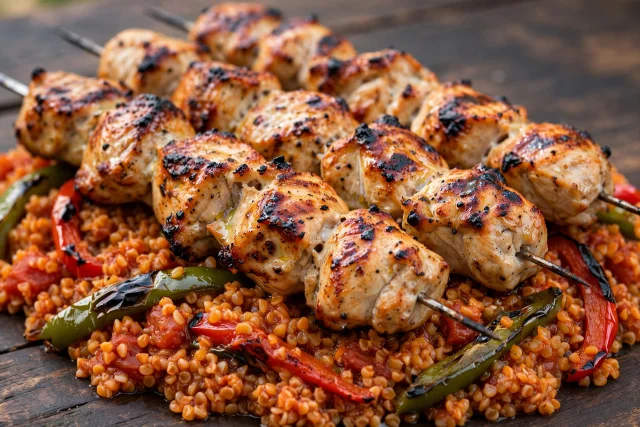
- Chicken Shish Skewers with Bulgur and Tomato: Chicken thigh cubes marinated in yogurt, cumin, and paprika, grilled on skewers and served over tomato bulgur. The yogurt marinade keeps the chicken tender, and the grill gives it the flavour salt usually would.
Snack:
- Fresh Fig with Yogurt: A ripe fig split open and spooned with thick yogurt, with a scatter of crushed pistachios on top. It is two ingredients and thirty seconds of work, and it tastes like the end of summer rather than a diet.
Day 7
Breakfast:
- Oatmeal with Blueberries and Flaxseed: Rolled oats cooked with milk and topped with blueberries, ground flaxseed, and a spoon of yogurt. The flax brings omega 3 fats to a breakfast that has none, and the oats bring the fibre that helps with cholesterol.
Lunch:
- Roasted Vegetable and White Bean Sandwich: Roasted peppers, zucchini, and red onion with white beans mashed with lemon and olive oil, piled into whole grain bread. It is a proper sandwich without the deli meat, and the beans hold the whole thing together.
Dinner:
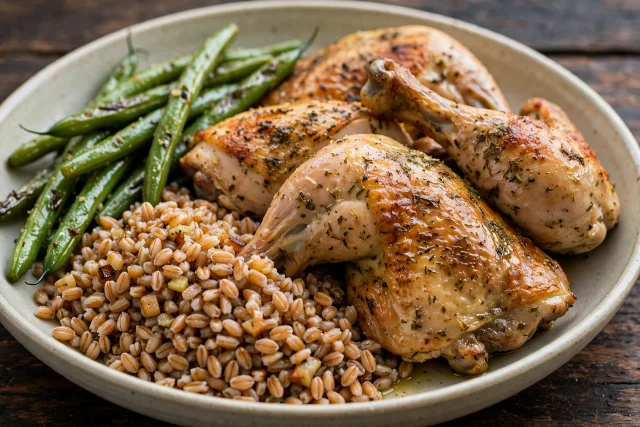
- Herb Roasted Chicken with Farro and Green Beans: A whole chicken roasted with lemon, thyme, and garlic, with farro and green beans cooked in the same tin. It is the big dinner of the week, and the leftovers make two lunches without any extra cooking at all.
Snack:
- Baked Apple with Walnuts and Yogurt: An apple baked with cinnamon, a few walnuts, and a spoon of water until it collapses, then served with a big spoon of thick yogurt. It is warm and soft and tastes far more indulgent than it actually is.
Full Grocery List for Your Mediterranean DASH Meal Plan
Everything below covers the twenty eight dishes in one main shop, with a stop for fish on the two days you cook it. The list leans on tins and jars you can rinse, because a Mediterranean DASH meal plan lives or dies on the sodium hiding in the cupboard.
Fruits
- Fresh Fruit: Lemons, oranges, limes, pears, apples, figs, blueberries, and pomegranate (the soups, the salads, the snacks, and the baked apple).
- Dried Fruit: Dried figs, dates, and dried apricots (the yogurt bowl, the walnut snack, and the apricot snack).
Vegetables
- Leafy Greens and Salad: Spinach, kale, lettuce, cucumber, radish, and bok choy (the soup, the stew, the fattoush, and the tofu).
- Roots and Alliums: Potatoes, carrots, red onion, garlic, ginger, zucchini, and tomato (the tagine, the roast, the sandwich, and the pilaf).
- Peppers and Extras: Red peppers, green beans, mushrooms, and wakame (the farro salad, the chicken dinner, and the miso).
Proteins
- Fish: Mackerel fillets and firm white fish (buy these on the day you cook them).
- Poultry and Eggs: Chicken thighs, one whole chicken, and eggs (the pilaf, the skewers, the roast, the polenta, and the breakfast plate).
- Beans, Lentils and Tofu: Brown lentils, chickpeas, cannellini beans, white beans, and firm tofu (the soup, both salads, the stew, the sandwich, and the tofu).
Dairy and Refrigerated
- Yogurt and Cheese: Greek yogurt, labneh, ricotta, white cheese, and a little Parmesan (the breakfasts, the snacks, and the stew).
- Milks: Milk for the oats and the barley (two breakfasts).
Grains and Bakery
- Grains: Pearl barley, farro, bulgur, polenta, brown rice, rolled oats, soba noodles, and ground flaxseed (the porridge, the salads, the pilaf, the breakfasts, and the soba).
- Bread: Whole wheat pita, whole grain bread, and plain rice cakes (the labneh, the sandwich, and the snack).
Pantry, Oils and Flavorings
- Olive Oil and Vinegar: A good olive oil for cooking and finishing, plus rice vinegar and red wine vinegar (the whole week).
- Spices and Herbs: Sumac, cumin, paprika, cinnamon, cardamom, rosemary, thyme, bay, coriander, parsley, mint, and garlic (the braises, the salads, and the marinades).
- Pantry Extras: Low sodium miso, low sodium soy sauce, sesame seeds, walnuts, pistachios, almonds, olives, and honey (the soup, the tofu, the snacks, and the glaze).
Simple Alternatives for a Mediterranean DASH Meal Plan
Cravings and busy evenings arrive in every week, and these five swaps keep the pattern intact without a single extra pinch of salt. Each one answers a moment rather than a food, and every ingredient on the list is already in the shop above.
- When You Crave Something Salty: Reach for a few olives, a piece of cheese, or rice cakes with avocado rather than a bag of crisps. Rinse the olives and keep the portion small, since the salt is still there even when the jar says otherwise.
- When You Have No Time to Cook Fish: Use tinned sardines or tinned mackerel on whole grain toast with lemon. Choose the ones in olive oil with no added salt, and you still get your two fish meals without a trip to the shop.
- When Dinner Needs More Substance: Add a cup of white beans or a scoop of farro to the soup or the salad. Both come off the list above, and both fill the plate without touching the salt.
- When You Are Eating Out: Ask for the dressing and the sauce on the side, and choose grilled fish or chicken over anything fried or breaded. Restaurant food is the biggest sodium source in most weeks, so the side request is the one that matters.
- When You Miss Red Meat: Have a small portion of lean beef once in the week and build the rest of the plate from vegetables and beans. It is not a failure, and it is not the same thing as the processed meat this Mediterranean DASH meal plan leaves out.
Getting Started With This Mediterranean DASH Meal Plan
Read the labels on the tins before the first shop of the week. Beans, tomatoes, stock, and bread carry most of the hidden sodium in a normal kitchen, and choosing the no salt added versions is far easier than trying to cook around them later.
Put the salt cellar away and keep lemon, vinegar, and a good olive oil on the counter instead. Most meals taste flat because they are under seasoned rather than under salted, and a splash of acid fixes that faster than another pinch of salt ever will.
Keep exploring with our straightforward week for bringing numbers down, meals built to move triglycerides in the right direction, bowl dinners with olive oil and vegetables at the centre, the classic DASH week behind this pattern, and a full week of heart first cooking, alongside a properly made scotch egg for a slow weekend and a creamy steak alfredo for the night you eat off plan.
This article is for information only and is not medical advice. Read our full disclaimer.