7-Day Low Histamine Diet Plan for Beginners with PRINTABLE PDF
This post may contain affiliate links, meaning I may earn a commission if you make a purchase, at no extra cost to you. I only recommend products I trust. Thank you for your support.
Do you often feel bloated, anxious, or get a headache, flushes, hives, a stuffy nose, or stomach discomfort after meals? You may be dealing with a lesser-known sensitivity called histamine intolerance.
A low histamine diet plan is a short-term, structured approach designed to reduce potential triggers and help you see whether your symptoms improve.
Histamine is a natural signaling molecule involved in immune responses, digestion, and other body functions, but problems happen when there is too much of it in the body or too little enzyme activity to clear it efficiently.
For years, you may have been told your symptoms are “all in your head” or diagnosed with IBS, allergies, or chronic migraines without real relief.
The frustration of not knowing why your body is reacting is exhausting. You eat well, you try to be healthy, but something still feels wrong.
That’s exactly where this beginner-friendly low histamine meal plan helps, providing you with a detailed low histamine food list and simple meal ideas to make the transition easier.
What is a Low Histamine Diet?
To understand the diet, you first need to understand histamine. Histamine is a chemical compound involved in your immune system, digestion, and central nervous system.
It is a vital part of your body’s defense system. When you encounter a threat (like pollen or a bug bite), histamine rushes to the area, causing inflammation, redness, and swelling to protect you.
However, histamine is also found naturally in many foods. In a healthy body, enzymes like diamine oxidase (DAO) break down the histamine from food quickly.
But for some people, that enzyme system is blocked, underactive, or overwhelmed. When you eat more histamine than you can break down, you experience a “histamine bucket” overflow. This overflow triggers a wide range of symptoms.
A low histamine diet involves eating foods that are fresh, unaged, and low in natural histamine while strictly avoiding fermented, aged, and leftover foods with high histamine levels.
The goal is to keep your “histamine bucket” from overflowing, thereby reducing your symptoms.
Who is This Diet For? Signs of Histamine Intolerance
You may benefit from a low histamine diet or may be experiencing histamine intolerance if you notice a combination of the following symptoms after eating:
- Headaches & Neurological: Migraines, dizziness, brain fog, anxiety, or panic attacks.
- Digestive: Bloating, diarrhea, constipation, nausea, and stomach pain (often misdiagnosed as IBS).
- Skin: Hives, itching, eczema, redness, or flushing.
- Cardiovascular: Irregular heart rate, low blood pressure, or swelling.
- Respiratory: Runny nose, sneezing, or asthma-like symptoms.
If antihistamines help your symptoms, or if you react to fermented foods (yogurt, kombucha, wine, aged cheese) and leftovers, you are likely a candidate for this elimination diet.
Benefits of a Low Histamine Meal Plan
When you follow a well-planned low histamine meal plan, the benefits go far beyond just stopping a headache.
Here are the real, evidence-backed benefits you can expect:
1. Reduced Chronic Inflammation
By avoiding high histamine foods, you stop triggering unnecessary immune responses. This leads to less joint pain, reduced skin redness, and an overall decrease in systemic inflammation.
2. Improved Digestion and Nutrient Absorption
Histamine intolerance often causes the gut to become leaky or inflamed. Following a histamine intolerance diet allows the gut lining to heal.
Many beginners report that chronic bloating and “food fear” disappear within just a few days.
3. Better Sleep and Mood Regulation
Histamine acts as a neurotransmitter that promotes wakefulness. Too much of it can cause insomnia, anxiety, and panic attacks.
By adhering to a low histamine diet, your nervous system can finally relax, leading to deeper sleep and a calmer mood.
4. Clearer Skin and Fewer Allergic Reactions
If you suffer from chronic hives, eczema, or rosacea that doesn’t respond to creams, the culprit is internal. Reducing food with high histamine levels often clears the skin faster than topical treatments.
5. Increased Energy Levels
Fighting a constant histamine response is exhausting for your body. It drains your energy reserves.
By adopting this lifestyle, you stop wasting energy on unnecessary immune battles, leaving you with more vitality for your daily life.
7-Day Low Histamine Diet Plan for Beginners
Starting a new diet can feel overwhelming. Where do you even begin? This 7-day low histamine meal plan is designed specifically for beginners.
It focuses on fresh, simple, delicious low histamine recipes that take less than 30 minutes to prepare. Avoid leftovers whenever possible, as histamine increases in food over time.
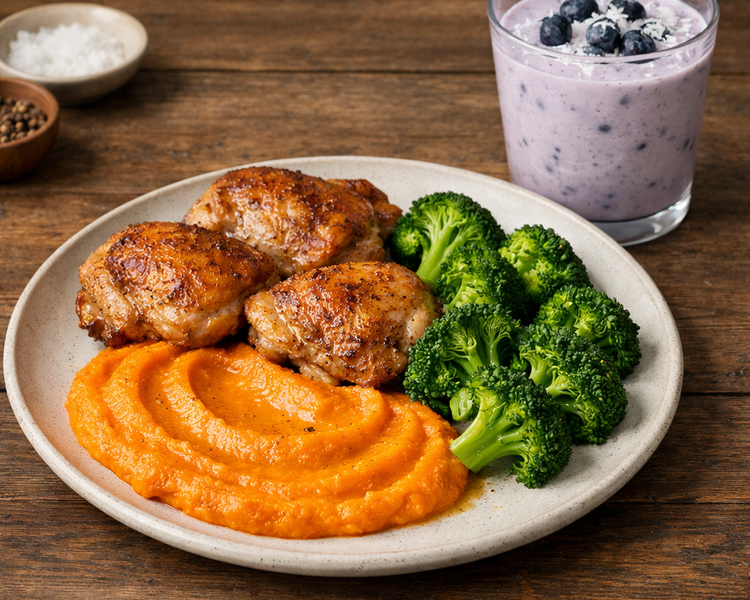
Day 1
Breakfast:
- Blueberry Smoothie Bowl: Fresh blueberries blended with coconut milk and served thick, topped with sliced pear and mint for a cool, easy breakfast option. Blueberries are a top choice among low histamine fruits.
Lunch:
- Turkey Rice Bowl with Cucumber and Zucchini: Freshly cooked turkey served over jasmine rice with lightly sautéed zucchini and crisp cucumber on the side. Add olive oil and a little salt.
Dinner:
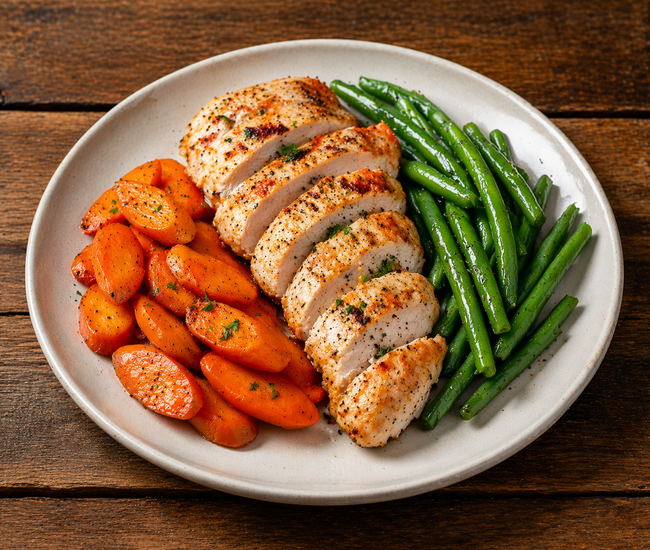
- Baked Chicken with Carrots and Green Beans: Oven-baked chicken breast with steamed carrots and green beans, finished with olive oil and fresh parsley.
Snacks:
- Pear Slices with Sunflower Seed Butter: A simple sweet-and-savory snack that feels satisfying without using high histamine spreads.
- Fresh Apple Slices: Crisp, fresh apple slices (Gala or Fuji).
Day 2
Breakfast:
- Apple Cardamom Quinoa Porridge: Soft quinoa cooked with water or coconut milk, then topped with diced apple and a pinch of cardamom if tolerated. This breakfast is warm, mild, and easy on the stomach.
Lunch:
- Chicken Lettuce Wraps: Shredded freshly cooked chicken wrapped in romaine lettuce with cucumber sticks and grated carrot. A drizzle of olive oil keeps it fresh and simple while still feeling like a real meal.
Dinner:
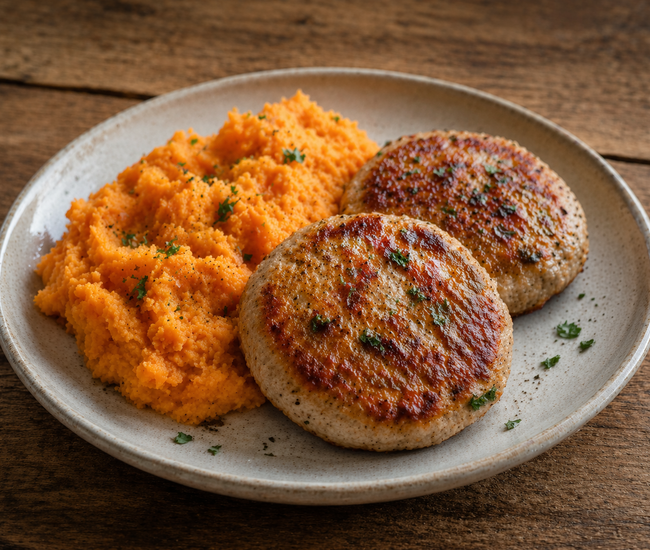
- Turkey Patties with Sweet Potato Mash: Pan-seared turkey patties paired with smooth mashed sweet potato and steamed broccoli. This dish is filling, beginner-friendly, and easy to meal prep in a small batch.
Snacks:
- Fresh Blueberry Bowl: A refreshing bowl of fresh blueberries topped with coconut cream and a sprinkle of fresh mint.
- Cucumber Spears with Olive Oil and Salt: Refreshing, crisp, and very easy to digest for many people.
Day 3
Breakfast:
- Zucchini Egg Scramble: Fresh eggs scrambled with grated zucchini and a little olive oil. This low histamine breakfast is fast, protein-rich, and ideal for mornings.
Lunch:
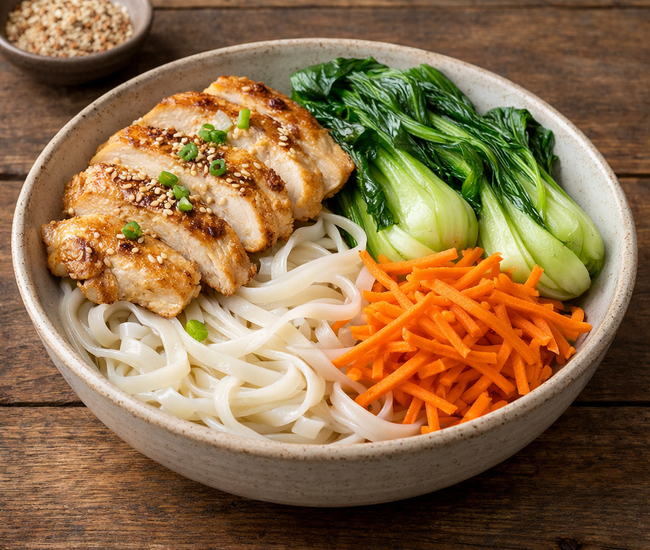
- Rice Noodle Bowl with Chicken and Bok Choy: Rice noodles topped with freshly cooked chicken, lightly steamed bok choy, and shredded carrots. Keep the seasoning simple to stay within a low histamine diet food list.
Dinner:
- Baked Salmon with Cauliflower Rice: Salmon should be very fresh and cooked right away, served with cauliflower rice and sautéed zucchini. Be mindful that fish can become high histamine quickly after storage.
Snacks:
- Celery Sticks: Fresh, crunchy celery sticks.
- Fresh Pear: One ripe, fresh pear.
Day 4
Breakfast:
- Chia Pudding with Blueberries: Chia seeds soaked overnight in coconut milk and topped with fresh blueberries. This is a great make-ahead breakfast as long as it is stored properly and eaten fresh.
Lunch:
- Chicken and Cucumber Rice Salad: Fresh chicken served over rice with cucumber, parsley, and olive oil. This lunch is light but still substantial enough to keep energy steady.
Dinner:
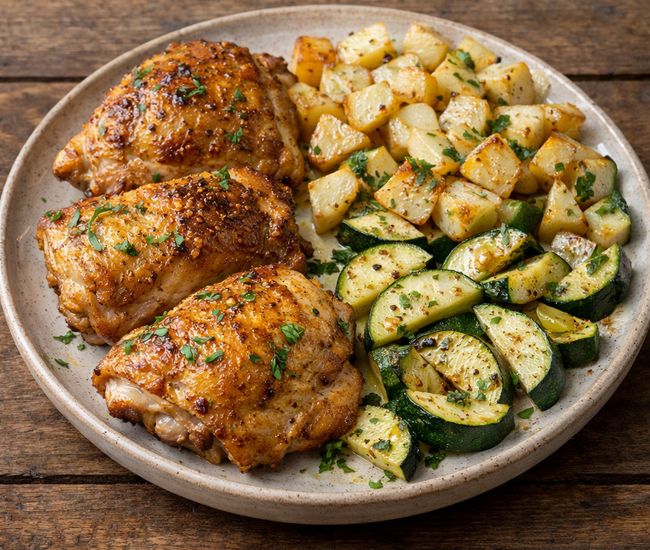
- Roasted Chicken Thighs with Roasted Turnips and Zucchini: A cozy oven meal that uses basic ingredients and delivers strong flavor without relying on fermented or aged seasonings.
Snacks:
- Apple Slices with Coconut Cream Dip: A creamy, mildly sweet snack that works well for beginners.
- Rice Cakes with Pear Jam: Choose a low-sugar version made from tolerated fruit.
Day 5
Breakfast:
- Sweet Potato Breakfast Hash with Egg: Diced sweet potato sautéed until tender, topped with a fried or poached egg. This is filling, inexpensive, and easy to batch cook in small portions.
Lunch:
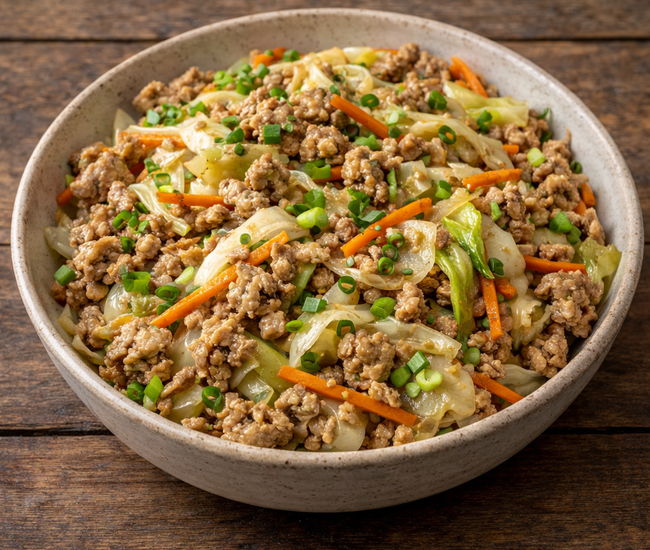
- Turkey and Cabbage Stir-Fry: Ground turkey cooked with cabbage and carrots in olive oil. This is one of those low histamine recipes that feels simple and tastes delicious.
Dinner:
- Turkey Meatballs with Spaghetti Squash: Homemade meatballs made from fresh ground turkey, served with roasted spaghetti squash and steamed green beans. A simple olive oil drizzle keeps the dish clean and low histamine.
Snacks:
- Blueberry Coconut Smoothie: Blend coconut milk, blueberries, and ice for a refreshing snack.
- Carrot Sticks with Sunflower Seed Dip: Crunchy, filling, and easy to prepare ahead of time.
Day 6
Breakfast:
- Overnight Oats with Apple and Chia: Rolled oats soaked in coconut milk with diced apple and chia seeds. This breakfast is great for busy mornings, especially when you need something ready to eat.
Lunch:
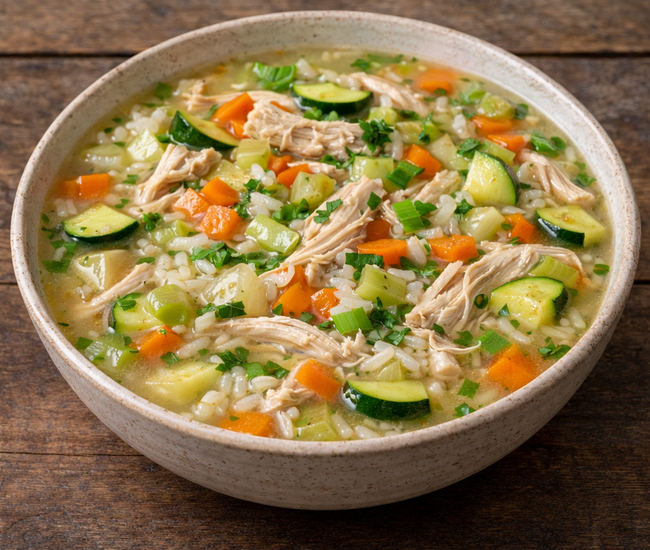
- Chicken and Plain Rice Soup: Fresh chicken, rice, carrots, celery, and zucchini simmered in a light homemade broth. Homemade soup is often a better choice than packaged versions, which may contain hidden additives or higher histamine ingredients.
Dinner:
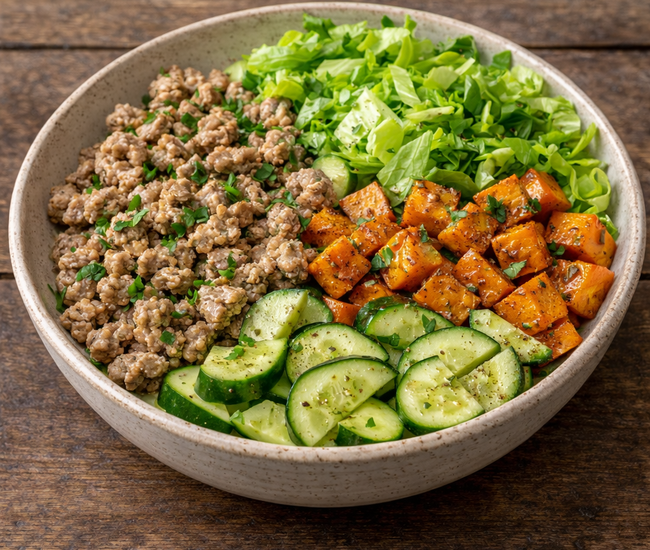
- Ground Turkey with Mashed Cauliflower and Green Beans: A warm, satisfying dinner that feels balanced without needing rich sauces or seasoning blends.
Snacks:
- Pear and Rice Cake Combo: A simple, easy snack that works almost anywhere.
- Fresh Lychee or Rambutan: Exotic low histamine fruits that are sweet and hydrating.
Day 7
Breakfast:
- Egg Muffins with Zucchini and Parsley: Baked egg muffins made in a muffin tray with grated zucchini and fresh herbs. These are perfect for meal prep because they can be made in small batches and eaten quickly.
Lunch:
- Turkey Burger Bowl with Lettuce and Sweet Potato: A deconstructed burger bowl made with freshly cooked turkey, lettuce, roasted sweet potato, and cucumber. This gives you comfort-food energy without the usual high histamine toppings.
Dinner:
- Roasted Chicken with Carrot Puree and Broccoli: A clean, colorful dinner that feels nourishing and easy to digest. Keep the seasoning simple and serve immediately for the best tolerance.
Snacks:
- Blueberries and Coconut Flakes: Light, fresh, and naturally sweet.
- Plain Rice Cakes with Pear Slices: An easy end-of-week snack that is gentle and familiar.


Low Histamine Food List (Printable)
When shopping, remember the golden rule: Fresh, fresh, fresh. If it has a long shelf life or has been sitting in your fridge for three days, it is likely becoming high in histamine.
Here is your definitive low histamine food list.
Low Histamine Fruits
- Fresh Apple (Gala, Fuji, Granny Smith)
- Fresh Apricot
- Fresh Blackberries
- Fresh Blueberries
- Fresh Cherries
- Fresh Coconut
- Fresh Cranberries
- Fresh Figs
- Fresh Grapes (green/red)
- Fresh Lychee
- Fresh Mango
- Fresh Nectarine
- Fresh Papaya
- Fresh Peach
- Fresh Pear
- Fresh Persimmon
- Fresh Pomegranate
- Fresh Quince
- Fresh Rhubarb
Low Histamine Vegetables
- Arugula
- Asparagus
- Bell Peppers (yellow, green, orange – avoid red if sensitive)
- Bok Choy
- Broccoli
- Brussels Sprouts
- Cabbage (red, green, white)
- Carrots
- Cauliflower
- Celery
- Cucumber
- Fresh Garlic
- Fresh Ginger
- Green Beans
- Kale
- Leeks
- Lettuce (Butter, Iceberg, Romaine)
- Onions (yellow, white, red)
- Parsley
- Parsnips
- Peas (fresh)
- Pumpkins
- Radishes
- Rutabaga
- Shallots
- Spinach (fresh, eaten immediately – do not wilt or store)
- Summer Squash
- Sweet Potatoes
- Turnips
- Zucchini
Low Histamine Proteins (Must be fresh, never aged or fermented)
- Beef (fresh ground or steak, eaten day of purchase)
- Chicken (fresh, never brined or injected)
- Cod
- Duck (fresh)
- Eggs (pasture-raised)
- Halibut
- Lamb
- Pork (fresh tenderloin or chops)
- Quail
- Rabbit
- Salmon (fresh, never smoked)
- Shrimp (fresh, never frozen for months)
- Trout
- Turkey
- Veal
- Wild-Caught Fish (eaten same day)
Grains & Starches
- Amaranth
- Buckwheat
- Millet
- Oats (gluten-free)
- Quinoa (rinsed thoroughly)
- Rice (Basmati, Brown, Jasmine, White)
- Rice Cakes
- Rice Noodles
- Tapioca
- Teff
Dairy Alternatives (Use with caution)
- Coconut Milk (fresh or carton without gums)
- Coconut Yogurt (plain, unsweetened)
- Ghee (if dairy is tolerated)
- Goat Milk (fresh)
- Mozzarella (fresh, not aged)
- Ricotta (fresh)
Healthy Fats & Oils
- Coconut Oil
- Flaxseed Oil
- Ghee
- Hemp Seed Oil
- Macadamia Nut Oil
- MCT Oil
- Olive Oil (extra virgin, fresh)
- Sesame Oil
Herbs, Spices & Sweeteners
- Basil (fresh)
- Chives
- Cilantro
- Cardamom
- Cloves
- Cumin
- Dill (fresh)
- Honey (raw)
- Maple Syrup (pure)
- Mint (fresh)
- Oregano (fresh)
- Paprika (sweet, not smoked)
- Parsley (fresh)
- Rosemary
- Saffron
- Sage
- Sea Salt (pure)
- Thyme
- Turmeric
Foods That Are High Histamine
If you are serious about trying this diet, you must eliminate these triggers. These are the foods with high histamine levels that cause the “bucket” to overflow.
They also include “histamine liberators” (foods that cause your body to release its own histamine) and DAO blockers.
High Histamine Fruits
- Avocado (very high)
- Bananas (especially overripe)
- Citrus fruits (oranges, lemons, limes, grapefruit – high liberators)
- Dried fruits (raisins, dates, figs, prunes)
- Kiwi
- Pineapple
- Plums
- Strawberries
High Histamine Vegetables
- Eggplant
- Olives (pickled or brined)
- Sauerkraut
- Spinach (if cooked and stored/leftover)
- Tomatoes (and tomato sauce, paste, ketchup)
High Histamine Proteins (Aged, Cured, or Fermented)
- Bacon
- Canned fish (tuna, sardines, anchovies)
- Canned meats
- Fermented sausage (pepperoni, salami)
- Leftover meat (any meat older than 24 hours)
- Organ meats (liver, kidney – unless flash frozen)
- Sardines
- Smoked fish (lox, smoked salmon)
- Sour cream
- Tuna
- Yogurt (regular and Greek)
Grains to Avoid
- Fermented sourdough bread
- Yeast-containing breads (yeast is a high liberator)
- Wheat (if sensitivity is high)
Dairy to Avoid (Aged & Fermented)
- Aged cheese (cheddar, parmesan, blue cheese, gouda, brie)
- Buttermilk
- Kefir
- Processed cheese slices
Fats & Oils to Avoid
- Fermented oils (old, rancid oils)
- Margarine
- Trans fats (hydrogenated oils)
Spices & Additives
- Artificial colors and preservatives
- Cinnamon (large amounts)
- Cloves (large amounts)
- Curry powder
- Monosodium glutamate (MSG)
- Nutmeg
- Paprika (smoked)
- Red pepper flakes
- Vinegar (all types: balsamic, white, apple cider)
Beverages to Avoid
- Alcohol (wine, beer, champagne are extremely high)
- Black tea
- Coffee
- Energy drinks
- Fermented sodas (kombucha)
- Green tea (fermented varieties)
- Matcha
Other High Histamine Foods
- Chocolate and cocoa
- Fermented soy (tempeh, miso, natto, soy sauce)
- Leftovers (ANY food cooked and stored for more than 24 hours)
- Nutritional yeast
- Processed snacks (chips with preservatives)
- Vinegar-containing condiments (ketchup, mustard, pickles, relish)

Conclusion
A low histamine diet can feel confusing at first, but it becomes much easier once you have a clear starting point.
The biggest idea to remember is that histamine problems are not always about eating “bad” food. Often, they are about a combination of food choice, freshness, storage, and your own unique tolerance.
If you are dealing with symptoms that seem tied to meals, a beginner-friendly histamine intolerance diet can help you simplify your routine and notice patterns more clearly.
The 7-day low histamine diet plan above gives you a realistic starting point with low histamine foods that are easy to shop for and cook.
You may also want to read,
- 7-Day Anti-Inflammatory Meal Plan for Sensitive Stomachs
- Healthy Turmeric Chicken Soup Recipe
- Endomorph Diet Plan with Free Macro Calculator
- 7-Day Mounjaro Meal Plan
- Ozempic Diet Meal Plan for Beginners
- Healthy Mediterranean Meals
- Best Oven-Baked Salmon Recipe
- Delicious Holiday Food Ideas for Christmas, Thanksgiving, and Easter
- Simple Meal Ideas for Summer
- Antioxidant Rich Foods List
Frequently Asked Questions
What is a low histamine diet?
A low histamine diet is an eating plan that eliminates foods high in histamine and histamine liberators.
It is used to manage symptoms of histamine intolerance by reducing the total histamine load in the body, allowing the DAO enzyme to catch up.
What foods are highest in histamine?
The foods highest in histamine include tomatoes, spinach, avocados, aged cheeses, fermented foods (sauerkraut, kimchi, yogurt), cured meats (salami, bacon), alcohol (especially red wine), canned fish (tuna, sardines), and leftovers.
Are eggs allowed on a low histamine diet?
Yes, fresh eggs are generally well-tolerated on a low histamine diet. The egg white contains histamine liberators for some people, but most tolerate the yolk very well. Start with the yolk only if you are sensitive, or eat the whole fresh egg.
How long does it take for a low histamine diet to work?
Most people notice a reduction in symptoms within 2 to 3 days of strict adherence. Headaches and skin flushing often resolve quickly.
Digestive issues and chronic inflammation may take 2 to 4 weeks to show significant improvement.
What causes histamine intolerance?
Histamine intolerance is primarily caused by a deficiency or dysfunction of the diamine oxidase (DAO) enzyme.
This can be genetic or caused by gut dysbiosis, leaky gut, certain medications (NSAIDs, antidepressants), or eating a diet chronically high in histamine.