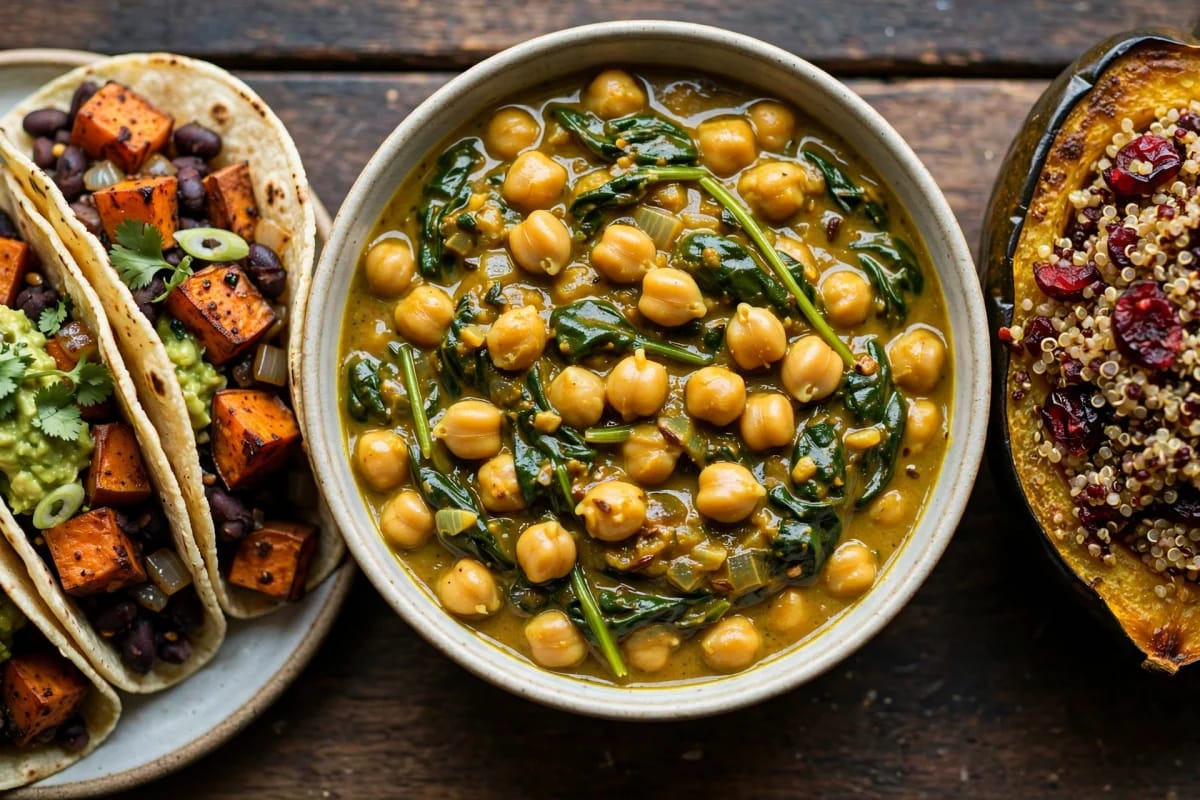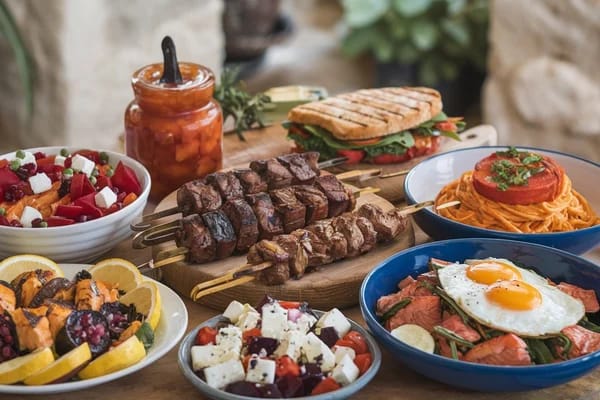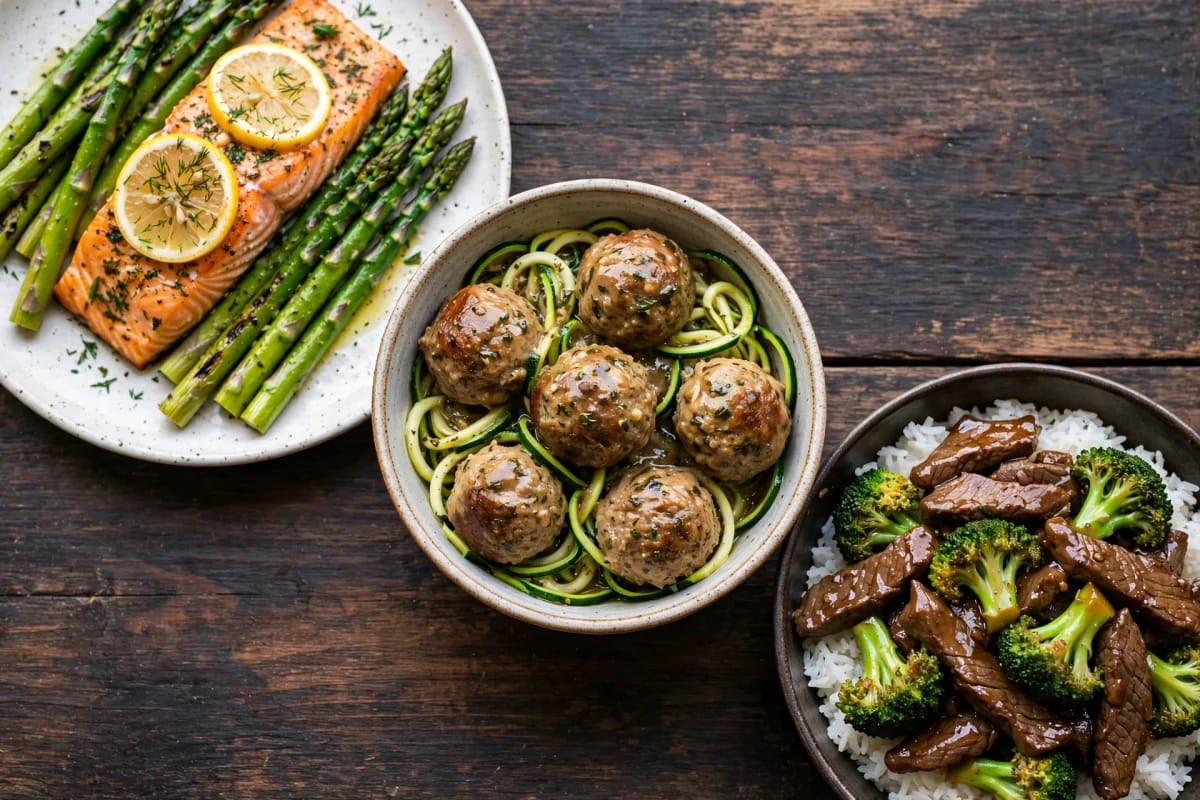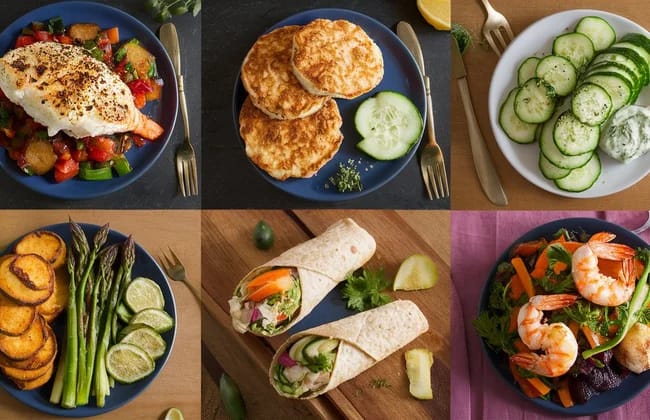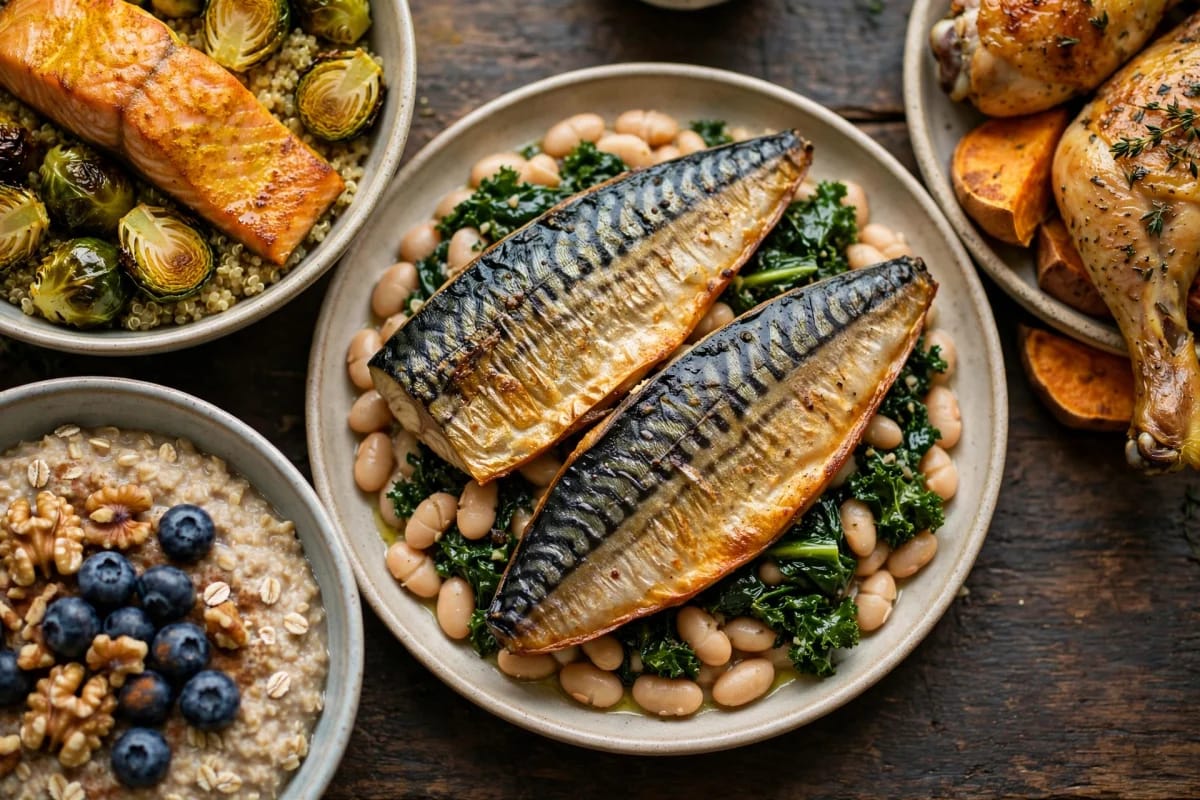
A diet for high triglycerides is a way of eating that keeps added sugar and refined starch low, puts oily fish on the table twice a week, and leaves alcohol out of the glass. It is built around a blood test result rather than a dress size, and it leans on beans, oats, vegetables, and whole grains.
A 7 day diet plan for high triglycerides is a week of breakfasts, lunches, dinners, and snacks built on that pattern. Every day carries whole grains instead of white ones, a protein at each meal, and no drink with sugar in it, which is the change most people need to make first.
The week includes salmon, mackerel, cod, chicken, turkey, eggs, lentils, chickpeas, white beans, oats, barley, and rye, plus vegetables at nearly every meal. The rule that shapes every plate is the sugar and starch ceiling, so nothing sweetened goes on the table and no meal is built on white rice, white bread, or pasta.
It suits adults who have just been handed a high triglyceride result, people with a family history of high cholesterol, anyone whose doctor mentioned metabolic syndrome, and the cook who feeds them. A very high reading needs medical care, so take your numbers to your doctor and do not try to fix them with food alone.
The reason to eat this way is that triglycerides respond to food more than most blood values do, and the changes are ordinary ones. Oats and beans bring soluble fibre, oily fish brings omega 3 fats, and dropping sugary drinks removes a load the liver has to process. None of it promises a quick fix.
Use the week in whatever order your life allows. Cook two days at once, repeat a lunch you liked, and push a dinner to the next evening when the day runs late. The pattern is what matters, so keep the fish, the beans, and the no sugar rule steady and let everything else move around them.
Key Principles of a Triglyceride Friendly Diet
Eating for high triglycerides is less about counting grams of fat and more about what the body has to process after a meal. Sugar, refined starch, and alcohol all push the liver to make more triglyceride, while fibre and oily fish help clear it. The NHLBI guide to high blood triglycerides covers the clinical side.
1. Cut Added Sugar First
Sweet drinks, syrups, honey, and desserts are the fastest way to raise a triglyceride number, so they come out before anything else does. Fruit stays, because the fibre in a whole apple behaves nothing like the sugar in a glass of juice does.
2. Choose Whole Grains Over Refined Ones
Oats, barley, rye, brown rice, buckwheat, and corn keep the bran that white bread and white rice have lost. The fibre slows digestion and feeds the gut, and it is the reason a bowl of oats beats a slice of white toast on a blood test any morning.
3. Put Oily Fish on the Table Twice
Salmon, mackerel, sardines, and trout carry omega 3 fats that lower triglycerides when they replace other fats in the diet. Two servings a week is the target here, and tinned fish counts as long as it is not packed in a sweet or creamy sauce.
4. Leave Alcohol Out
Alcohol is processed by the liver and turns into triglyceride, which is why a high reading and a nightly glass do not sit well together. A week without it is the clearest way to see what your own number does in response to a change like this one.
5. Build Meals Around Fibre and Lean Protein
Beans, lentils, vegetables, and whole grains should fill most of the plate, with chicken, fish, eggs, or tofu alongside. That combination keeps you full for hours and leaves less room for the snacks that tend to arrive at four in the afternoon.
6. Treat the Number as Medical, Not Moral
A triglyceride reading is information about your body and not a grade on your character. Some high readings come from genetics or medication, so bring the result to your doctor and let food be one part of your care rather than the whole of it.
Your 7 Day Diet Plan for High Triglycerides Overview
This 7 day diet plan for high triglycerides features easy recipes and the diet's named foods leaning on oats, beans, oily fish, and whole grains, carrying the foods that keep added sugar and refined starch low, and it is perfect for beginners and busy families.
Day 1
Breakfast:
- Eggs with Tomato and Pepper on Rye Toast: Two eggs scrambled into softened tomato and green pepper, piled onto a slice of dark rye. It brings protein and fibre to the morning without sugar hiding in the bread, which is the swap that matters most after a high reading.
Lunch:
- Chickpea and Cucumber Salad with Sumac: Chickpeas tossed with cucumber, red onion, parsley, and a dust of sumac in lemon and olive oil. It keeps in the fridge for two days and gives the afternoon a slow release of fibre instead of a biscuit from the office kitchen.
Dinner:
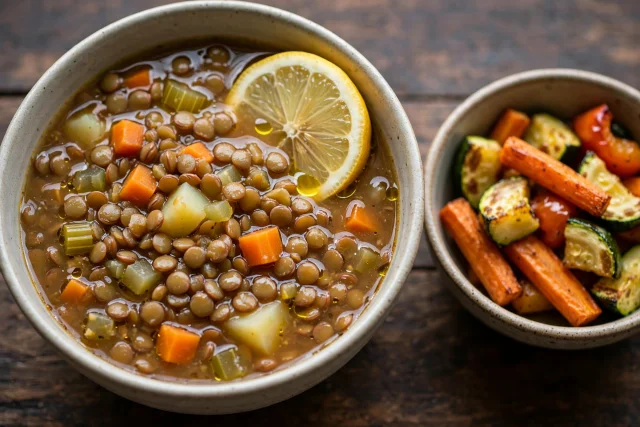
- Red Lentil Soup with Lemon and Roasted Carrots: Red lentils simmer with onion and tomato until they collapse, then get finished with lemon and a tray of roasted carrots on the side. The bowl is thick enough to feel like dinner, and the fibre in the lentils is the part your bloodwork notices.
Snacks:
- Roasted Chickpeas with Paprika: Chickpeas dried, tossed in paprika and a little oil, and roasted until they rattle in the tin. They give the evening a salty crunch without the sugar that crisps and biscuits bring, and one batch lasts most of the week.
Day 2
Breakfast:
- Chawanmushi with Shiitake and Scallion: A silky steamed egg custard with shiitake, scallion, and a little dashi, eaten straight from the cup with a spoon. It is gentle on a morning stomach, takes twelve minutes in a steamer, and brings protein without a slice of bread.
Lunch:
- Soba Salad with Edamame and Sesame: Cold buckwheat noodles with edamame, shredded carrot, and a sesame and rice vinegar dressing. Buckwheat keeps the grain whole, the edamame adds fibre and protein, and the bowl is ready in the time it takes to boil noodles.
Dinner:
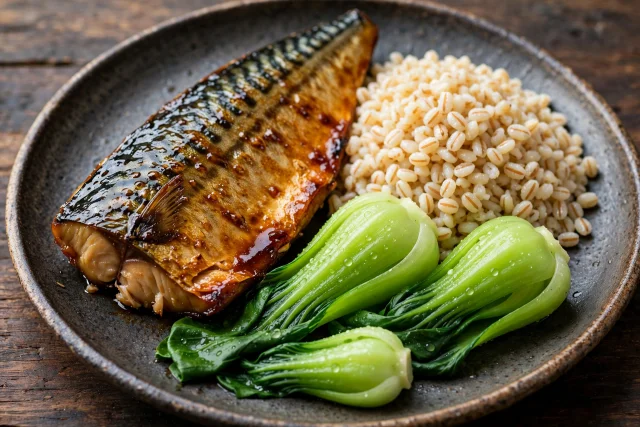
- Miso Glazed Mackerel with Bok Choy and Barley: Mackerel brushed with miso and mirin and grilled until the glaze blisters, with steamed bok choy and pearl barley alongside. Mackerel is one of the oiliest fish you can buy, and this is the plate that carries the omega 3 half of the week.
Snacks:
- Cucumber Sunomono with Sesame: Thin sliced cucumber salted briefly, then dressed with rice vinegar, a little soy, and toasted sesame. It clears the palate after a rich fish dinner, takes five minutes to make, and adds nothing to the day's sugar.
Day 3
Breakfast:
- Huevos a la Mexicana with Corn Tortilla: Eggs scrambled with tomato, onion, and green chilli, scooped into a warm corn tortilla. Corn is a whole grain here, so the breakfast carries fibre with the protein, and it beats a sweet pastry on every count that matters.
Lunch:
- Charred Corn and Black Bean Salad: Black beans, charred corn, red pepper, and coriander tossed in lime juice and cumin. It holds up in a container, and the beans bring the soluble fibre that helps a triglyceride number move in the right direction over months.
Dinner:
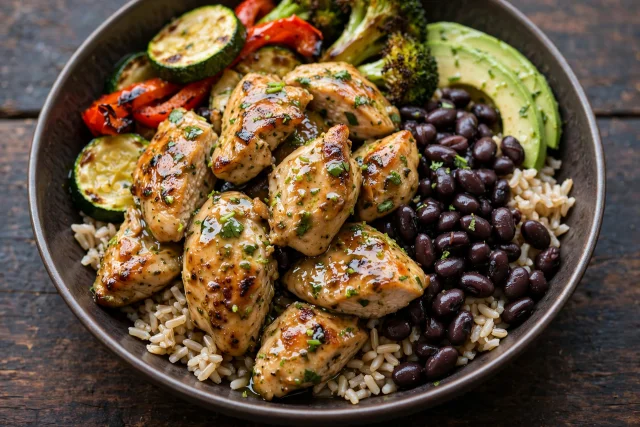
- Grilled Chicken with Brown Rice, Black Beans and Avocado: Chicken breast grilled with cumin and lime, served over brown rice with black beans, roasted peppers, and a few slices of avocado. The plate is built on whole grain and beans, which is the pattern to copy on any night you eat out.
Snacks:
- Jicama with Chile and Lime: Jicama cut into sticks and dusted with chilli powder and lime. It is cold, crisp, and sweet enough to stand in for a fruit plate, and it gives the late afternoon something to crunch without a drop of added sugar.
Day 4
Breakfast:
- Miso Soup with Tofu and Wakame: A light miso broth with tofu cubes, wakame, and scallion, drunk from a bowl before anything else. It wakes up the appetite gently, adds soy protein, and takes four minutes on a morning when cooking feels like too much.
Lunch:
- Barley and Edamame Salad with Ginger: Cooked pearl barley with edamame, grated ginger, and rice vinegar. Barley is the grain with the most soluble fibre in the cupboard, and this salad keeps for three days, which makes it the lunch that saves a bad week.
Dinner:
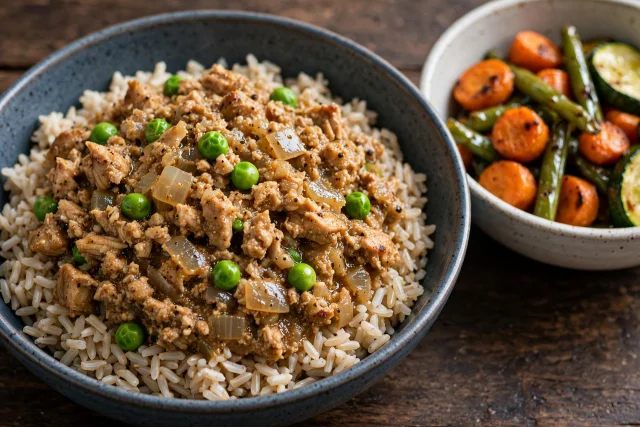
- Turkey Soboro with Brown Rice and Peas: Minced turkey simmered with ginger, soy, and peas, spooned over brown rice with roasted carrots and green beans on the side. It cooks in one pan on a weeknight, and the lean mince keeps the saturated fat low.
Snacks:
- Roasted Sweet Potato Wedges with Shichimi: Sweet potato wedges roasted until the edges caramelise, then dusted with shichimi togarashi. They are sweet without sugar, filling without refined starch, and they make a plate of leftovers feel like a proper meal.
Day 5
Breakfast:
- Rye Bread with Cottage Cheese and Cucumber: A slice of dense rye with low fat cottage cheese, cucumber, and cracked pepper. Rye keeps you full far longer than white toast, and the cottage cheese adds protein without the sugar that jam would bring to the same slice.
Lunch:
- Beet and Barley Salad with Dill: Roasted beetroot with pearl barley, dill, and a spoon of yogurt stirred into the dressing. It looks like a restaurant plate, keeps for two days in the fridge, and delivers fibre from two sources in the one bowl without any sugar.
Dinner:
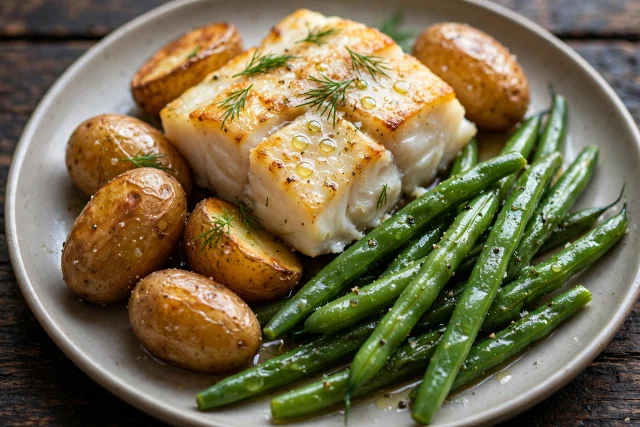
- Baked Cod with Dill and New Potatoes: Cod baked with dill, lemon, and a little olive oil, with new potatoes and green beans alongside. Potatoes are a whole food rather than a refined starch, and the fish keeps the meal light enough for a late dinner.
Snacks:
- Baked Apple with Oats and Cinnamon: An apple halved, filled with oats, cinnamon, and a few walnuts, then baked until soft. It tastes like dessert, uses no added sugar at all, and gives the evening a warm finish without a trip to the shop.
Day 6
Breakfast:
- Poached Egg on Rye Toast with Tomato: An egg poached in simmering water and set on rye toast with sliced tomato and black pepper. It is the fastest breakfast in the week, and the whole grain base keeps the morning steady instead of spiking and dropping.
Lunch:
- Salmon with White Beans and Rosemary: Salmon seared skin side down and laid over white beans warmed with rosemary and lemon, with the pan juices spooned over the top. This is the second oily fish meal of the week, and the beans turn a modest piece of fish into a full lunch.
Dinner:
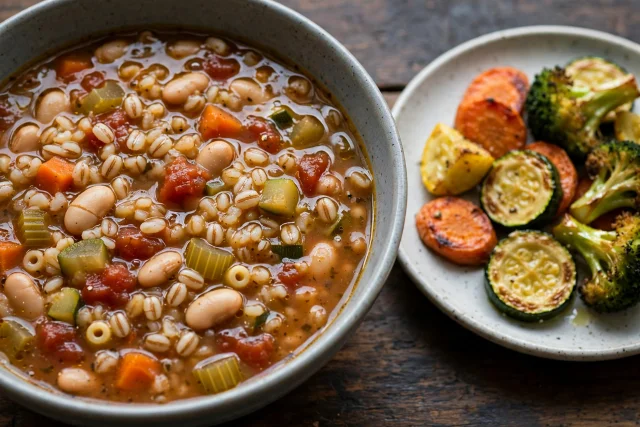
- White Bean and Barley Soup with Roasted Vegetables: A tomato broth with white beans, pearl barley, celery, and carrot, with a tray of roasted vegetables on the side. It makes a big pot, freezes well, and gets thicker and better every day it sits in the fridge.
Snacks:
- Fresh Figs with Walnuts: Two ripe figs split open with a few walnuts pressed into the middle, eaten with a small spoon. The sweetness is the fruit's own, the walnuts add crunch and omega 3, and it takes about a minute to put together on a plate.
Day 7
Breakfast:
- Steel Cut Oats with Blueberries and Walnuts: Rolled oats cooked with milk and topped with blueberries and chopped walnuts, with a pinch of cinnamon stirred through. Oats carry beta glucan, the fibre most studied for blood fats, and this bowl is the simplest way to start a day with it.
Lunch:
- Chicken and Apple Salad with Walnuts: Poached chicken tossed with apple, celery, walnuts, and a yogurt dressing. The apple gives sweetness without sugar, the walnuts add crunch, and the whole thing packs into a lunch bag without dressing going everywhere.
Dinner:
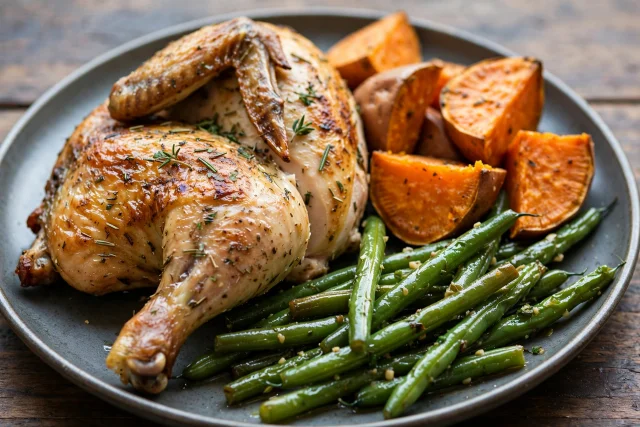
- Roast Chicken with Sweet Potato Wedges and Green Beans: A whole chicken roasted with rosemary, sweet potato wedges, and green beans in the same tin, with the pan juices poured over at the end. It is the Sunday dinner that gives you lunch for the next day, and nothing on the plate is refined or sweetened.
Snacks:
- Apple Wedges with Almond Butter Dip: A crisp apple cut into wedges with a spoon of almond butter for dipping, eaten slowly at the kitchen table. It covers the afternoon gap without a cereal bar, and the fat and fibre together keep you out of the cupboard until dinner.
Full Grocery List for Your High Triglyceride Diet
Everything below covers the twenty eight dishes in one main shop, with a top up for fresh fish and figs later in the week. Nothing here is sweetened, and the only drinks on the list are water, coffee, and tea, which is the whole point of the shop.
Fruits
- Fresh Fruit: Apples, blueberries, figs, lemons, and limes (the oatmeal, the baked apple, the snack plate, and every dressing).
- Citrus and Juice Free: Whole oranges for eating, never a carton of juice (the lunch box and the afternoon snack).
Vegetables
- Roots and Alliums: Carrots, beetroot, sweet potato, new potatoes, onion, red onion, garlic, and ginger (the soups, the soboro, the roast tin, and the salads).
- Greens and Pods: Bok choy, green beans, celery, cucumber, courgette, red pepper, tomato, and wakame (the mackerel plate, the cod, the salads, and the miso).
- Fresh Herbs: Parsley, coriander, dill, rosemary, and scallions (the lentil soup, the barley salad, the cod, and the roast chicken).
Proteins
- Oily Fish: Mackerel fillets and salmon fillet, bought on the day you cook them (the miso plate and the bean lunch).
- White Fish and Poultry: Cod fillets, chicken breast, one whole chicken, and minced turkey (the dill bake, the grill, the roast, and the soboro).
- Plant Protein: Red lentils, chickpeas, black beans, white beans, edamame, and firm tofu (the soup, the salads, the bowls, and the miso).
Grains and Bakery
- Whole Grains: Rolled oats, pearl barley, brown rice, buckwheat soba, and rye bread (the porridge, the soups, the bowls, the cold noodles, and the toast).
- Corn and Crackers: Corn tortillas and no sweetened cereal of any kind (the huevos and the lunch box).
Dairy and Refrigerated
- Dairy: Low fat cottage cheese, plain yogurt, and milk (the rye toast, the beet salad, the chicken salad, and the oatmeal).
- Eggs: One box of eggs, used across breakfasts and the chawanmushi (the scramble, the custard, and the poached toast).
Pantry, Oils and Flavorings
- Oils and Vinegar: Olive oil, sesame oil, rice vinegar, and red wine vinegar (the roasts, the dressings, and the sunomono).
- Pantry Basics: Miso paste, light soy sauce, mirin, dashi powder, sumac, cumin, paprika, shichimi togarashi, and cinnamon (the Japanese plates, the Mexican bowls, and the snacks).
- Nuts and Seeds: Walnuts, almond butter, and sesame seeds (the oatmeal, the fig plate, the apple snack, and the cucumber).
Easy Triglyceride Friendly Swaps for Busy Nights
Most weeks fall apart at the same moments, when a drink is offered, when dinner is late, and when something sweet is the only thing left in the cupboard. These swaps keep the pattern intact without turning an ordinary evening into a lecture about it.
- When Someone Pours a Drink: Take sparkling water with lime in the same glass and stay at the table. Alcohol turns into triglyceride in the liver, so a night off is the single clearest thing you can do for a high reading.
- When You Want Something Sweet: Reach for a baked apple, a fig, or berries with yogurt instead of a dessert. The sweetness arrives with fibre, which is a different experience for your body than a spoon of sugar.
- When Dinner Needs to Be Fast: Warm a tin of white beans with rosemary and open a tin of sardines in olive oil. It takes four minutes, carries omega 3, and beats a takeaway on both cost and what it does to your numbers.
- When You Are Eating Out: Ask for the grilled plate, choose brown rice or potatoes over white rice, and skip the bread basket and the soft drink. Most restaurants can do all three without a fuss, and the meal still feels like a night out.
- When the Cupboard Is Empty: Keep frozen edamame, tinned beans, and oats stocked for the nights you cannot shop. Any two of those with a vegetable make a meal that fits the week, which is what keeps a good pattern going.
How to Lower Triglycerides With Food
Start with one shop and two cooking sessions rather than a whole new kitchen. Cook a pot of barley, roast a tray of vegetables, and make the lentil soup, then build the first three days from what is already in the fridge. A plan you can actually follow beats a perfect one you abandon on the second evening.
Read labels for added sugar rather than for fat, because sugar hides in sauces, granola, and yoghurt drinks that look healthy. Swap juice for whole fruit, keep fish in the freezer for the nights you forgot to shop, and take a short walk after dinner when the weather allows. Daily movement helps the same numbers food does.
Ask your doctor when to retest, since most people check again after about three months of steady eating. If your reading is very high or medication has been mentioned, keep the appointments and treat the menu as support rather than a substitute. MedlinePlus explains what the numbers mean if you want more before that visit.
Keep exploring with our earlier seven day diet to lower triglycerides, a low glycemic week for steadier blood sugar, an oat based plan built on soluble fibre, and a low carb plan for anyone cutting starch further. Two more worth a save are this Ugandan pork stir fry for a weekend dinner and a Cajun steak pasta for the night nobody wants to count anything.
This article is for information only and is not medical advice. Read our full disclaimer.