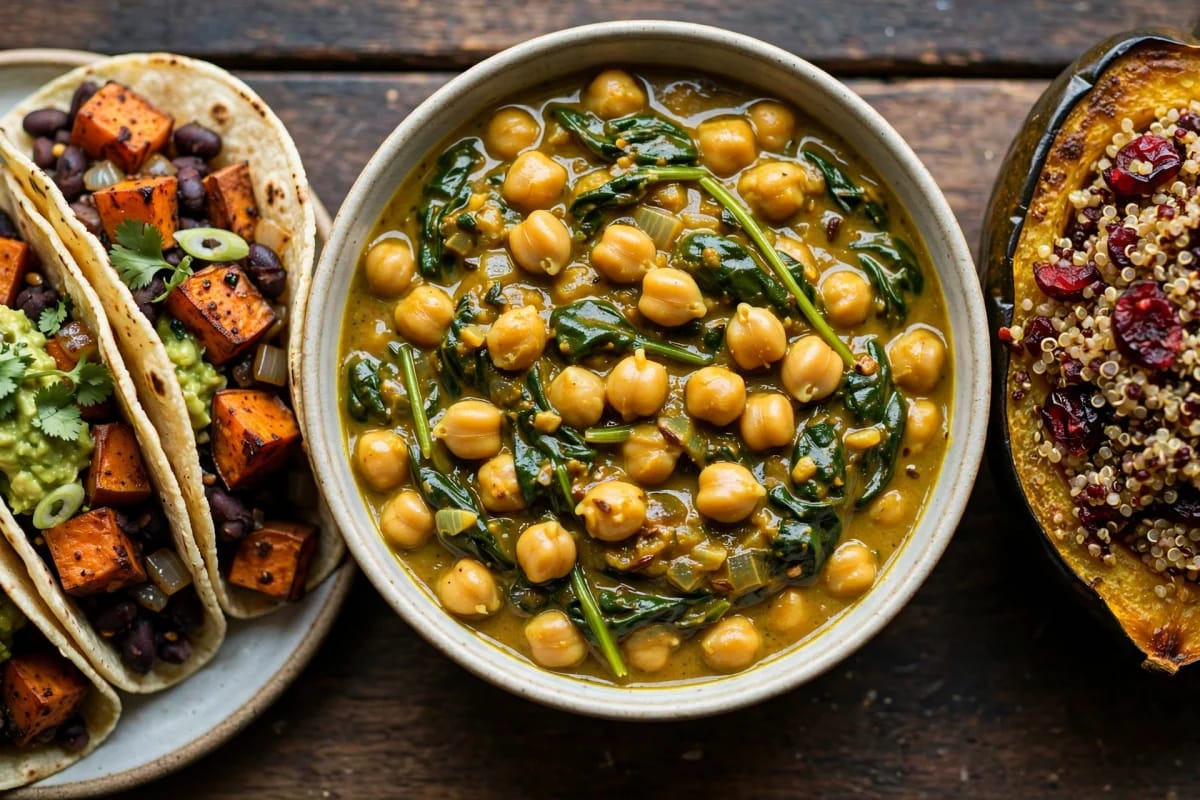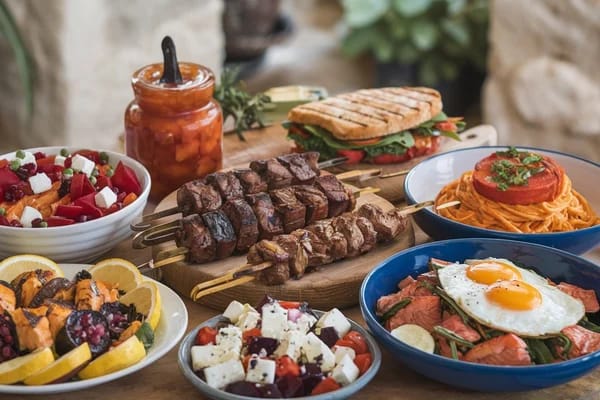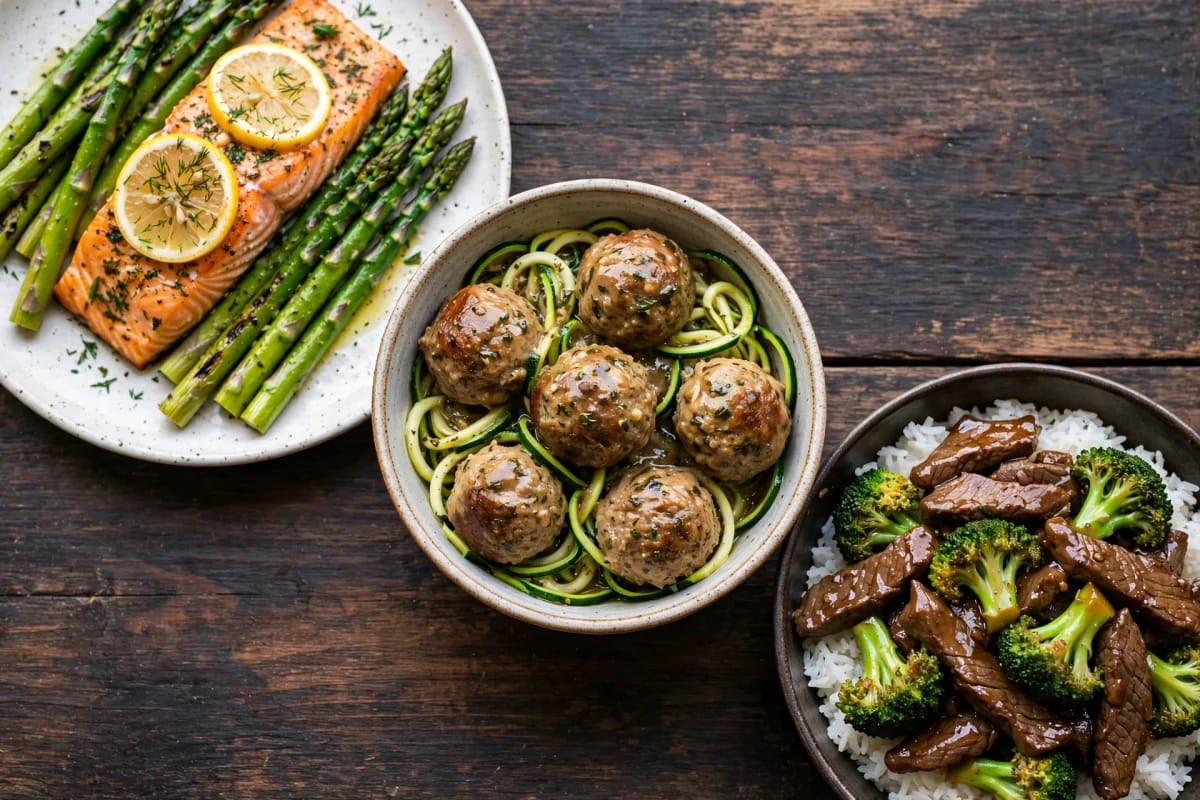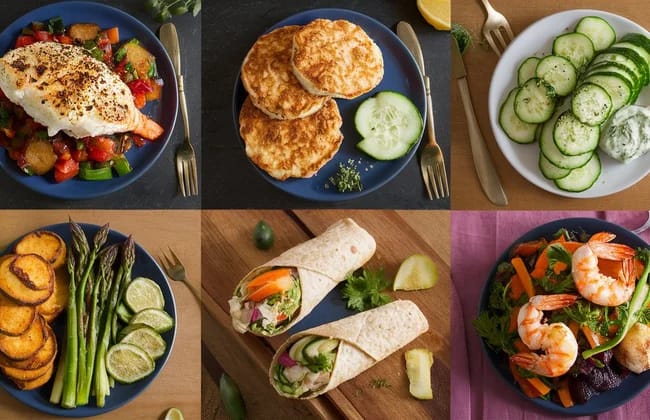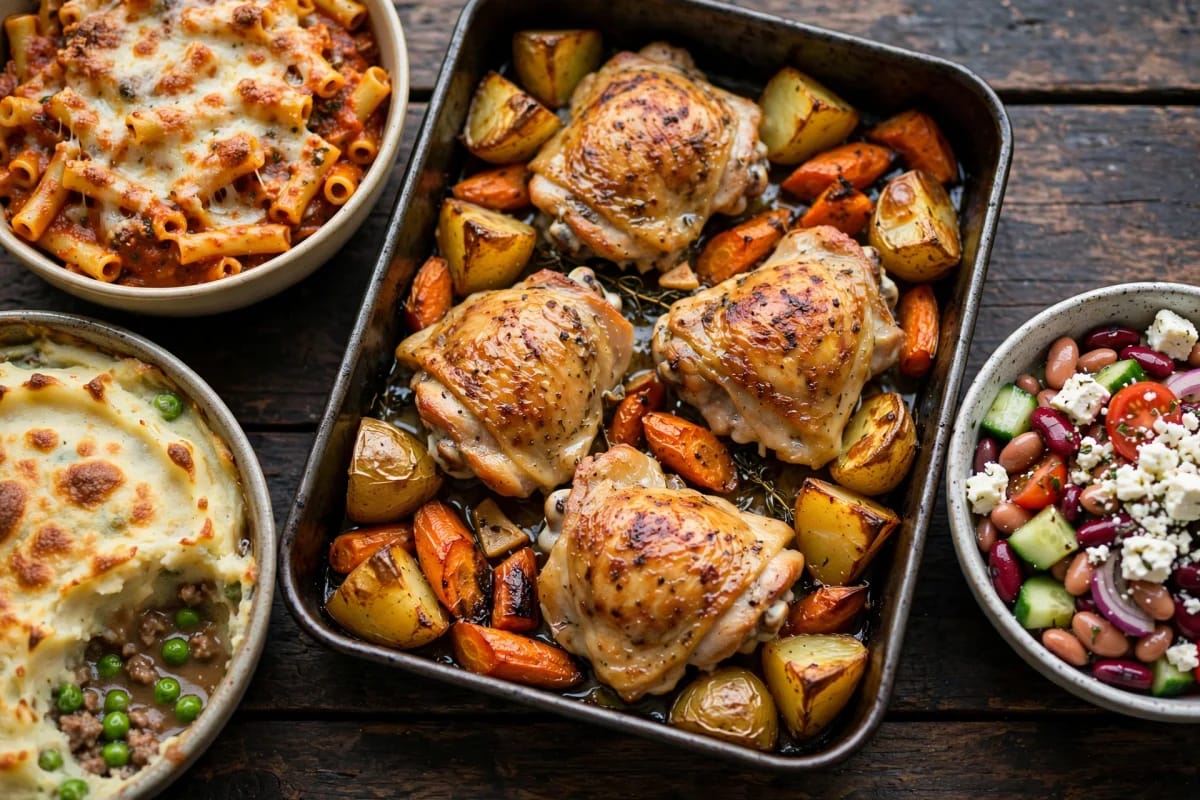
A budget friendly meal plan is a week of eating built around the cheapest everyday ingredients, so oats, eggs, beans, lentils, potatoes, cabbage, rice, pasta, tinned fish, and chicken thighs do the heavy lifting. It is a way of shopping as much as a way of cooking.
A 7 day budget friendly meal plan for family of four is a weekly plan that feeds four people at every sitting, with breakfast, lunch, dinner, and a snack costed out before the shop rather than after it. It assumes a normal supermarket, not a wholesaler.
The week includes four portions of every dish, a grocery list built from ordinary shelf items, and a stated cost per serving, and the rule that shapes every plate is that nothing on it needs a special trip or a premium cut. If an ingredient is expensive this month, the plan has a cheaper stand in.
It suits a household on a fixed weekly food budget, a cook feeding two adults and two children who eat like adults, and anyone tired of throwing away half a shop every Friday. If someone at the table has a medical condition, a diagnosed deficiency, or a restricted diet, a dietitian should shape their plate rather than a budget plan.
People cook this way because the food bill is the one number a household can move without much effort, and because the cheap ingredients happen to be good food. The honest benefit is more fiber, more vegetables, and far less waste, and the USDA food plans show that a thrifty week can still meet nutrition guidance.
Cook the days in whatever order the week allows, repeat the ones that went down well, and trade any dish for another from the same slot. This budget friendly family week only saves what it promises if you shop the list, so build the order from the list rather than from the recipes.
Key Principles of a Budget Friendly Family Meal Plan
The key principles of a budget friendly family meal plan are about where the money goes rather than how much flavor you give up. They decide the protein, the vegetables, the cooking method, and how much of the shop actually reaches a plate.
1. Cost Every Serving Before You Shop
A dish only counts as cheap once you divide the total by four portions, since a ten dollar pot that feeds four for two days beats a six dollar pot that feeds two for one. Write the number down the first week, and after that the same twenty dishes carry their own price in your head.
2. Build Meals Around Cheap Protein
Eggs, tinned beans, lentils, split peas, tinned tuna, chicken thighs, drumsticks, and minced beef carry the week, and none of them costs more than a few dollars a portion. Buy the cheaper cut and cook it longer, since thighs and drumsticks forgive a hot oven in a way that breast never does.
3. Cook Once and Eat Twice
Every dinner below makes four portions with enough left for a lunch, which halves the cooking and the washing up. Cool the extra portion fast, box it the same evening, and it becomes the next day's lunch instead of a science experiment at the back of the fridge.
4. Keep Tins and Frozen Food in the Rotation
Tinned tomatoes, tinned beans, frozen peas, frozen spinach, and frozen fish are cheaper than fresh and just as good in a sauce or a bake. They also mean a bad week never forces a takeaway, because dinner is already in the cupboard and only needs an onion.
5. Waste Less Than You Buy
The average household throws away a meaningful share of the food it buys, and that waste usually costs more than the difference between two brands. Plan the leftovers into the week, use the stems and the outer leaves, and keep a box in the freezer for the odds and ends that become soup.
A budget friendly plan is a way of shopping rather than a diet, and it does not replace medical or dietetic advice for anyone at the table who needs it, particularly a child with a diagnosed deficiency or an adult managing a long term condition.
7 Day Budget Friendly Meal Plan for Family of Four at a Glance
This 7 day budget friendly meal plan for family of four features easy recipes and the diet's named foods leaning on eggs, beans, oats, and chicken thighs, carrying the fiber and protein that keep four people full on a small spend, and it is perfect for beginners and busy families.
Day 1
Breakfast:
- Baked Oatmeal with Apple and Cinnamon: Oats baked with grated apple, cinnamon, and milk until set, then cut into squares. It costs pennies a portion and reheats in two minutes on a school morning, which is the only reason it survives a weekday.
Lunch:
- Egg Salad Sandwiches with Cucumber: Hard boiled eggs mashed with mayonnaise and a little mustard, spread on buttered bread with cucumber. Cheap, fast, and it packs into four lunch boxes without going soggy.
Dinner:
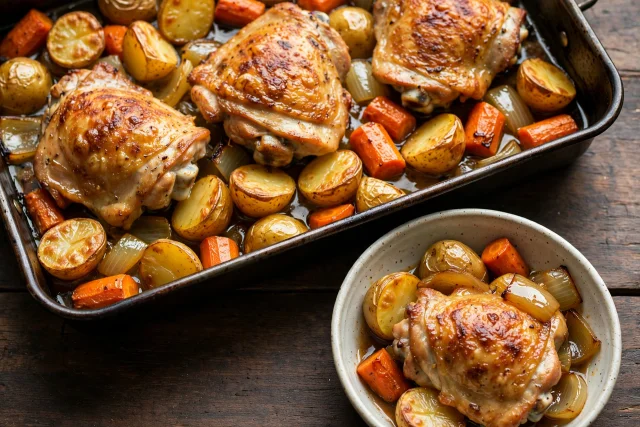
- Chicken Thigh Traybake with Potatoes and Carrots: Chicken thighs roasted on one tray with potato wedges, carrots, and onion until the skin crisps. Thighs cost less than breast and stay juicy, which matters when dinner is the biggest spend of the day.
Snacks:
- Paprika Popcorn: Popcorn popped on the stove in a lidded pot and tossed with paprika, salt, and a little oil. A bag of kernels makes weeks of snacks for less than one packet of crisps costs, and the children can make it themselves.
Day 2
Breakfast:
- Breakfast Beans on Toast: Tinned black beans warmed with cumin and a spoon of salsa, spooned over toast with a fried egg on top. Half a tin per person keeps everyone full until lunch without a second round.
Lunch:
- Refried Bean Tostadas with Cabbage Slaw: Crisp tortillas spread with warmed refried beans, shredded cabbage, salsa, and a little cheese. The cabbage does the volume and the beans do the protein, at about a dollar a plate.
Dinner:
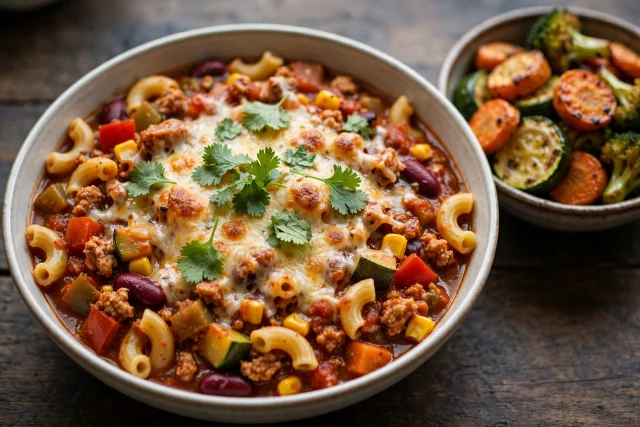
- Turkey and Vegetable Chili Mac: Minced turkey browned with onion and peppers, then simmered with tinned tomatoes, macaroni, and kidney beans. One pot feeds four with a portion left over for lunch, and it freezes without turning to paste.
Snacks:
- Tortilla Chips with Bean Dip: Tortilla chips with the rest of the refried beans warmed through with a little cheese and a shake of cumin. It is the snack that stops a shop bought dip from getting into the trolley on the way home.
Day 3
Breakfast:
- Tomato Toast with Olive Oil: Bread toasted, rubbed with a cut garlic clove, and topped with tinned tomatoes, olive oil, and salt. It takes five minutes and costs less per serving than a box of cereal does at full price.
Lunch:
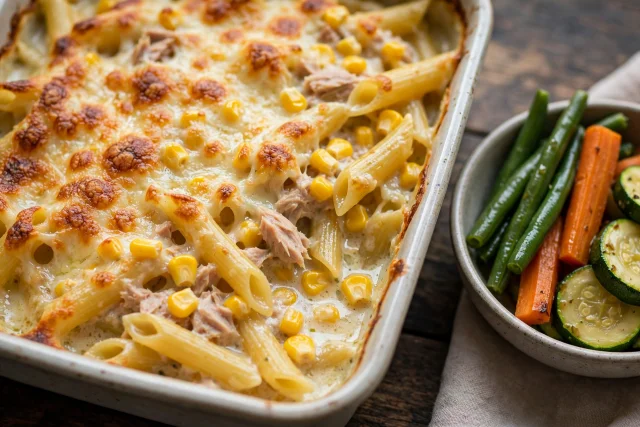
- Tuna Pasta Bake with Sweetcorn: Pasta baked with tinned tuna, sweetcorn, and a white sauce made from flour, milk, and a little cheese. It is the lunch that turns the cheapest tin in the cupboard into a proper hot meal.
Dinner:
- Baked Ziti with Hidden Vegetables: Ziti baked with a tomato sauce that has grated carrot and courgette cooked into it, topped with mozzarella. The vegetables disappear and the dish still feeds four for under ten dollars.
Snacks:
- Carrot Sticks with Peanut Butter Dip: Carrot sticks with peanut butter loosened with a little soy sauce and warm water until it dips. Crunchy, filling, and cheaper than any snack bar on the same aisle, with no wrapper to bin.

Day 4
Breakfast:
- Masala Omelette with Roti: Eggs whisked with onion, tomato, and a pinch of garam masala, cooked flat and folded into warm roti. Four omelettes cost less than one coffee, and they hold a hungry morning easily.
Lunch:
- Split Pea Soup with Carrots: Split peas simmered with carrot, onion, and smoked paprika until the pot thickens enough to hold a spoon. It costs about sixty cents a bowl and gets better on the second day.
Dinner:
- Chicken and Potato Curry with Rice: Chicken thighs simmered with potato, onion, and a spoon of curry powder until the sauce thickens. Potatoes stretch the meat, and the whole pot lands near two dollars a serving.
Snacks:
- Banana Yogurt Oat Cup: Mashed banana stirred into yogurt with oats and a drizzle of honey, left for ten minutes to soften. It takes a minute, uses up the last banana in the bowl, and keeps the afternoon steady.
Day 5
Breakfast:
- Porridge with Jam and Milk: Oats cooked slowly with milk and a pinch of salt, served with a spoon of jam stirred through. The cheapest breakfast in the week, and the one that keeps a cold morning honest.
Lunch:
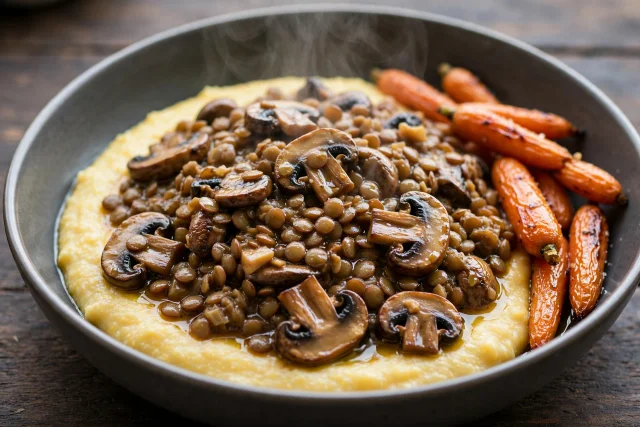
- Lentil Mushroom Ragu over Polenta: Lentils and chopped mushrooms simmered in tomato and herbs, spooned over soft polenta. Mushrooms give it the depth that mince would, for a fraction of the price, and nobody misses the meat.
Dinner:
- Cottage Pie with Minced Beef and Peas: Minced beef and onion cooked with carrot and peas under a mashed potato lid, baked until the top browns. It feeds four with a portion left and costs less than a takeaway for one.
Snacks:
- Soda Bread with Butter: A soda bread made with flour, buttermilk, and bicarbonate of soda, baked in forty minutes with no kneading and no proving. One loaf costs pennies and covers toast for two breakfasts.
Day 6
Breakfast:
- Scallion Egg Fried Rice: Cold rice fried hard with beaten egg, scallions, and soy until every grain is hot and separate. It turns yesterday's rice into breakfast for four in ten minutes flat, and it costs almost nothing.
Lunch:
- Egg Drop Soup with Rice: Stock simmered with ginger, thickened lightly, and streamed with beaten egg, with rice stirred through at the end. It costs about fifty cents a bowl and warms everyone up faster than a sandwich does.
Dinner:
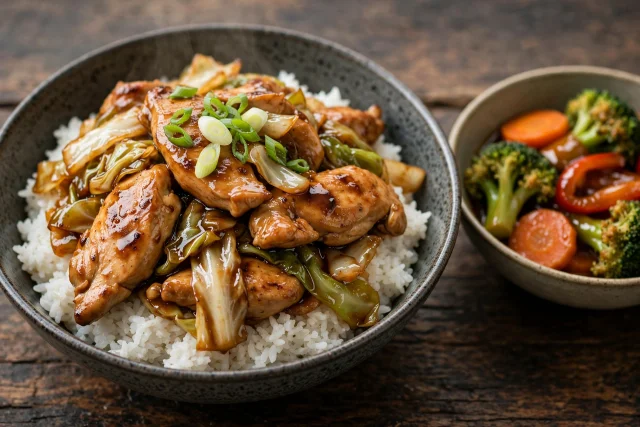
- Chicken and Cabbage Stir Fry with Rice: Chicken thigh strips stir fried with cabbage, carrot, and garlic in soy and a little sugar. Cabbage is the cheapest vegetable in the shop and it carries the whole dinner.
Snacks:
- Orange Segments with Peanuts: Orange segments with a small handful of peanuts and a pinch of salt, peeled over the sink so the juice stays off the floor. Fruit plus fat, no packaging, and it costs less than a pound for four people.
Day 7
Breakfast:
- Yogurt Flatbreads with Honey: A flatbread made from flour and yogurt, cooked in a dry pan until it blisters and drizzled with honey. It uses up the last of the yogurt and feels like a weekend treat for pennies.
Lunch:
- Greek Bean Salad with Feta: White beans tossed with cucumber, tomato, red onion, and a little feta in olive oil and oregano. The feta is the one indulgence, and a small block goes a long way across four plates.
Dinner:
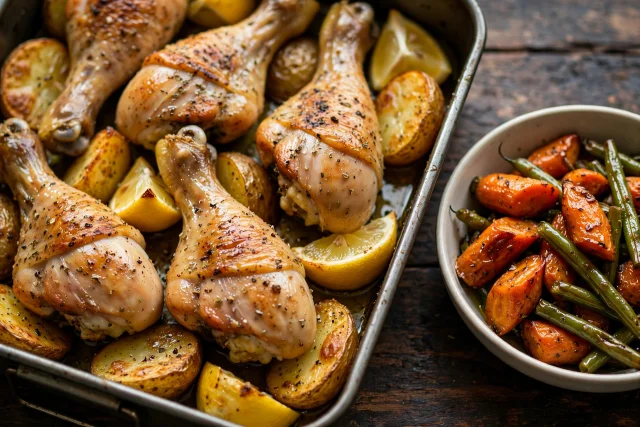
- Lemon Oregano Chicken Drumsticks with Potatoes: Drumsticks roasted with potato wedges, lemon, oregano, and garlic until the skin crisps. Drumsticks are the cheapest chicken in the shop and they roast without drying out.
Snacks:
- Oat and Jam Thumbprint Biscuits: Oat biscuits with a thumbprint of jam baked into the middle until the edges turn golden. One tray makes sixteen, and the tin lasts the week only if it is kept out of sight.
Full Grocery List for Your Budget Friendly Meal Plan
One shop covers all twenty eight dishes in the week, and the total lands near two hundred and forty dollars at ordinary supermarket prices. Buy the store brand on everything that gets cooked into a sauce, and save the branded version for the few things you eat raw.
Fruits
- Fresh Fruit: Apples, bananas, and oranges (the baked oatmeal, the yogurt cup, and the snack bowl).
- Frozen Fruit: A bag of mixed berries for the yogurt at breakfast when fresh prices climb (the oat cup and the porridge topping).
Vegetables
- Roots and Potatoes: Potatoes, carrots, onions, and garlic, bought in the bigger bag (the traybake, the pie, the curry, and the soup).
- Greens and Cabbage: One cabbage, courgettes, cucumber, and tomatoes (the slaw, the stir fry, the ziti, and the salad).
- Frozen Vegetables: Peas, sweetcorn, and spinach (the pie, the pasta bake, and the soups).
Proteins
- Poultry: Chicken thighs, drumsticks, and minced turkey (the traybake, the curry, the stir fry, and the chili mac).
- Beef and Fish: Minced beef and tinned tuna (the cottage pie and the pasta bake).
- Eggs and Legumes: A tray of eggs, tinned black beans, refried beans, kidney beans, white beans, split peas, and lentils (the sandwiches, the tostadas, the soup, and the ragu).
Whole Grains
- Rice and Pasta: Long grain rice, macaroni, ziti, and spaghetti (the curry, the chili mac, the bake, and the stir fry).
- Oats and Flour: Rolled oats, plain flour, and bicarbonate of soda (the baked oatmeal, the porridge, the biscuits, and the soda bread).
- Bread and Tortillas: One loaf, roti or flatbreads, and corn tortillas (the sandwiches, the toast, the omelette, and the tostadas).
Dairy and Fridge
- Milk and Yogurt: Milk, plain yogurt, and buttermilk (the oatmeal, the flatbreads, the oat cup, and the soda bread).
- Cheese and Butter: A block of cheddar, a small block of feta, and butter (the bake, the tostadas, the salad, and the sandwiches).
Pantry and Flavorings
- Tins and Jars: Tinned tomatoes, salsa, mayonnaise, mustard, jam, honey, and peanut butter (the sauces, the sandwiches, the biscuits, and the dip).
- Spices and Stock: Paprika, cumin, garam masala, curry powder, oregano, cinnamon, and stock cubes (the whole week, and every soup).
Easy Swaps for Cheap Family Meals on Busy Nights
These five trades answer the moments that usually send a household straight to the takeaway menu. Each one keeps the cost per serving where it was, each one uses something already on the list above, and none of them needs a trip out of the house to work.
- When the Shop Has Run Out of Chicken: Use eggs or a tin of beans in place of the meat and add an extra potato. The dinner keeps its shape and the cost per serving drops rather than climbs.
- When Dinner Needs to Be Faster: Trade the cottage pie for pasta with the same mince and peas stirred through. You lose the mash and the oven time and keep the flavor for half the washing up.
- When You Need More Food Without More Money: Add rice, potatoes, or a loaf of bread rather than a second portion of meat. Volume is the cheapest thing in the kitchen and nobody leaves the table hungry.
- When a Child Refuses the Sauce: Serve the components apart, with the sauce in a small bowl on the side. The same food gets eaten, and nothing is cooked twice to keep the peace.
- When You Are Packing Lunches: Box the dinner leftovers before the table sits down. The portions are already costed, and tomorrow's lunch stops being a decision at half past seven in the morning.
How Much It Costs to Feed a Family of Four for a Week
The week lands near two dollars and twenty cents per serving, which is about two hundred and forty dollars across four people. Breakfast sits around seventy five cents a serving, lunch near a dollar sixty, dinner near two dollars ninety, and snacks under fifty cents.
The number moves with the shop, the region, and the week, and the USDA food price outlook tracks how much those basics drift month to month. Cook the chicken dishes early in the week and the bean dishes later, since the beans cost less and the fresh vegetables last longer than the meat does.
Shop once with the list, then top up on milk, bread, and fruit only. Two short trips cost more than one long one, both in petrol and in the extra items that find their way into the trolley when nobody is holding the list, and the top up is where most budgets quietly fail.
Keep exploring with our batch cooking that fills the freezer for a month, dinners you can build on a quiet afternoon, prep routines for people who hate prep, and cheap summer plates that need no oven, alongside a beef stir fry that stretches across four plates and a burrito night the whole table will eat.
This article is for information only and is not medical advice. Read our full disclaimer.