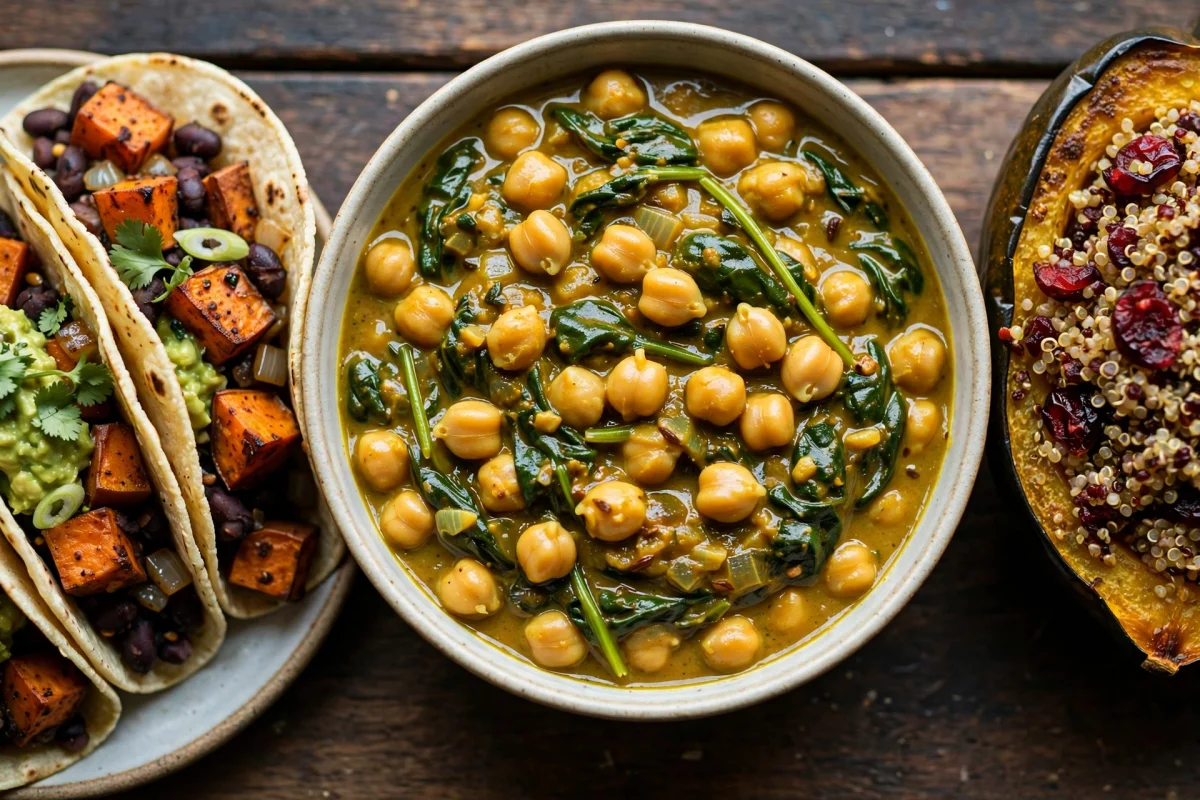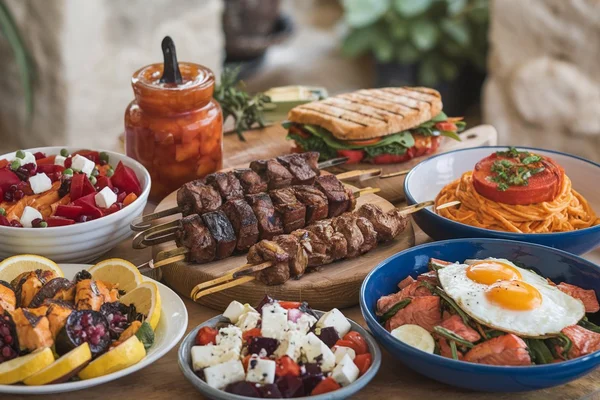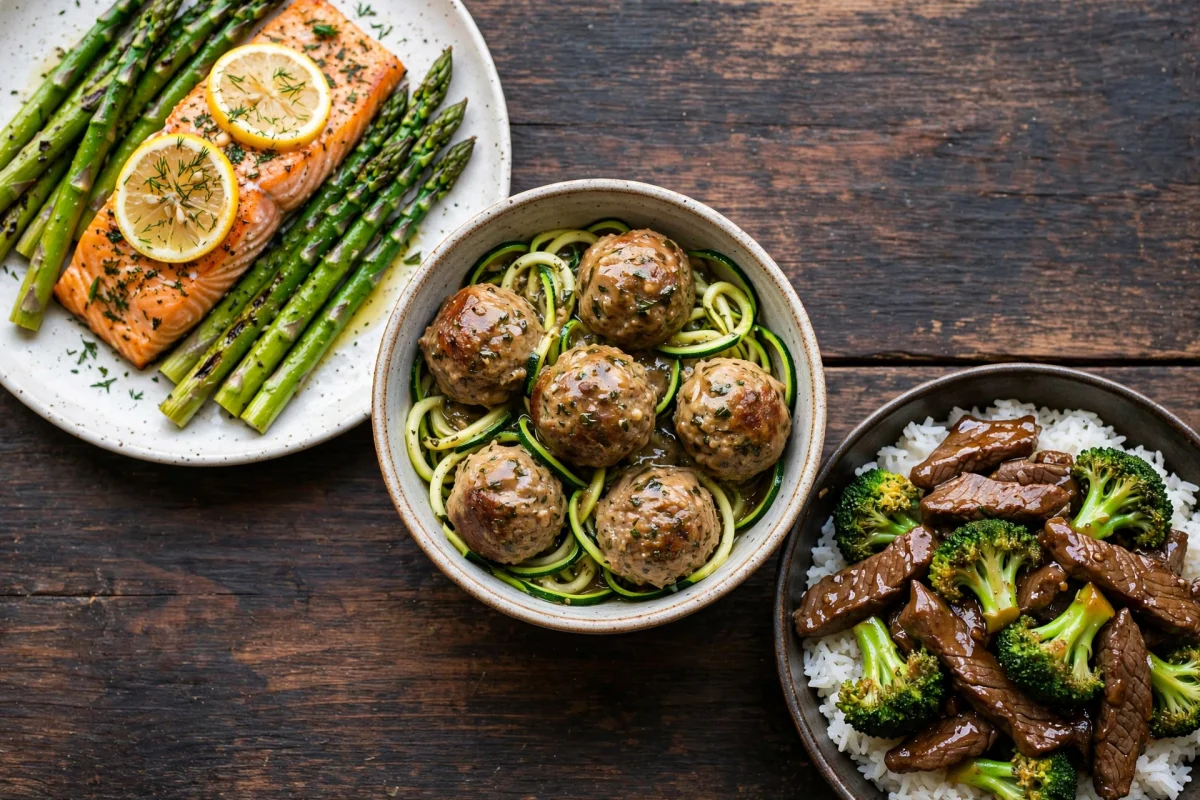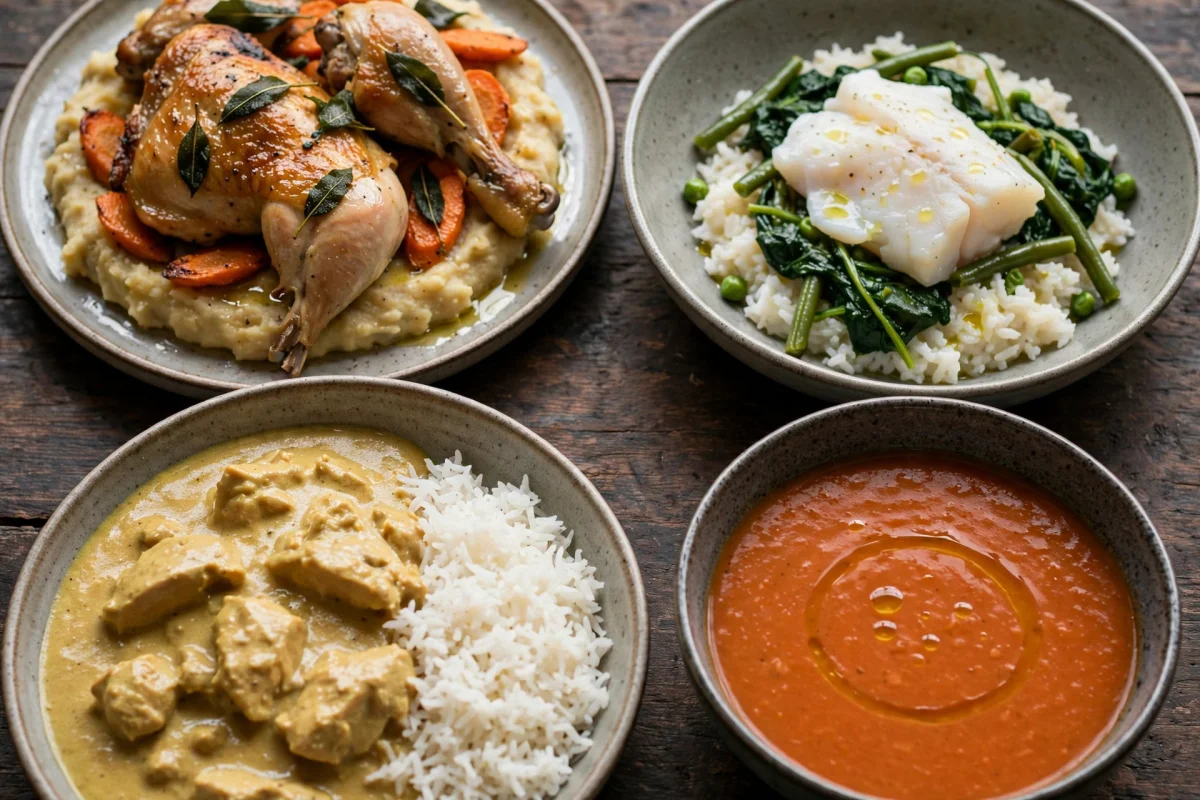
A brain health diet is a way of eating that leans on leafy greens, berries, nuts, oily fish, olive oil, beans, and whole grains, with salt kept modest. It borrows from the Mediterranean pattern and from the MIND way of eating, both of which put plants and unsaturated fats at the centre of the plate.
A 7 day brain health meal plan for stroke recovery turns that pattern into a week of breakfasts, lunches, dinners, and snacks that are soft enough to eat comfortably and gentle enough on salt to sit well inside a heart healthy routine. Every dish can be eaten with a spoon or a fork that does not need much pressure.
This 7 day brain health meal plan for stroke recovery includes oats, berries, lentils, oily fish, leafy greens, and soft rice dishes, with soups blended smooth where texture is a concern. The one rule that shapes every plate is moisture, since soft, saucy food is easier to swallow than anything dry, crumbly, or stringy.
It suits someone recovering at home after a stroke, a partner or adult child doing the cooking, and anyone whose appetite or chewing has changed since a hospital stay. If swallowing has changed, a speech and language therapist assesses which textures are safe, and this week follows that advice rather than replacing it. Coughing on food needs a clinician, not a menu.
The reason to try it is that these foods are the ones most often linked with heart and brain health, and they happen to be easy to eat. Oily fish brings omega 3 fats, leafy greens and beans bring fibre and potassium, and keeping salt low supports the blood pressure control that matters after a stroke. The National Heart, Lung, and Blood Institute explains why.
Use the week freely. Cook the days in any order, repeat the soups your household likes, and swap any dish for another from the same slot. This brain health meal plan for stroke recovery is a set of easy, soft, familiar meals rather than a schedule anyone has to keep.
Key Principles of a Brain Health Diet
A brain health diet is less about a single superfood and more about a pattern, with plants filling most of the plate and the fats coming from fish, nuts, and olive oil rather than from butter and processed meat. These principles are the ones that hold up in the research and in a real kitchen.
1. Build Meals Around Plants
Leafy greens, berries, vegetables, beans, and whole grains carry fibre, potassium, and the antioxidants that a brain healthy pattern is built on. Aim for vegetables at two meals a day and a serving of berries or another fruit most days, and let meat play a smaller part.
2. Choose Oily Fish and Unsaturated Fats
Salmon, trout, sardines, and mackerel bring omega 3 fats, and olive oil, walnuts, and ground flax do similar work on the days without fish. Two fish meals a week is the usual recommendation, and tinned fish counts just as well as fresh fish from the counter.
3. Keep Salt Modest
High blood pressure is the biggest controllable risk factor for stroke, and most of the salt in a diet comes from packaged food rather than the salt cellar. Cook from plain ingredients, season with lemon, herbs, and spice, and read labels on stock, sauces, and bread.
4. Cook Soft and Moist Where Needed
Soft food is easier to chew and swallow, so soups are blended smooth, fish is poached or steamed, and grains are cooked until tender rather than al dente. Add sauce, gravy, or broth to anything that would otherwise be dry, since moisture does most of the work.
5. Eat Whole Grains and Beans Daily
Oats, barley, brown rice, millet, lentils, and beans give steady energy and the fibre that supports heart health. They also soften beautifully in soups and stews, which makes them some of the easiest foods to eat when appetite is small and chewing is tiring.
6. Keep Processed Food Occasional
Bacon, sausage, crisps, ready meals, and sugary drinks are the foods that push salt, saturated fat, and sugar up fastest. They are not banned, but a brain healthy week is built on food cooked from plain ingredients, with the packaged kind kept for the odd meal.
A brain health diet supports recovery and does not replace physiotherapy, speech therapy, or medication, so the decisions about your rehabilitation and your medicines belong to your care team rather than to a menu or a blog post.
Your 7 Day Brain Health Meal Plan for Stroke Recovery Overview
This 7 day brain health meal plan for stroke recovery features easy recipes and the diet's named foods leaning on oats, berries, lentils, and oily fish, carrying the fats and fibre that support heart and brain health, and it is perfect for anyone who needs soft, moist food without losing flavour.
Day 1
Breakfast:
- Warm Oat and Berry Breakfast Bowl with Ground Flax: Oats cook soft in milk with blueberries stirred through at the end and a spoon of ground flax on top. It is warm, spoonable, and gentle on a morning when appetite arrives slowly.
Lunch:
- Smooth Red Lentil Soup with Carrot and Cumin: Red lentils and carrot cook down until they collapse, then the pot is blended smooth with cumin and a squeeze of lemon. It freezes in single portions, which is the difference between a good lunch and no lunch on a hard day.
Dinner:
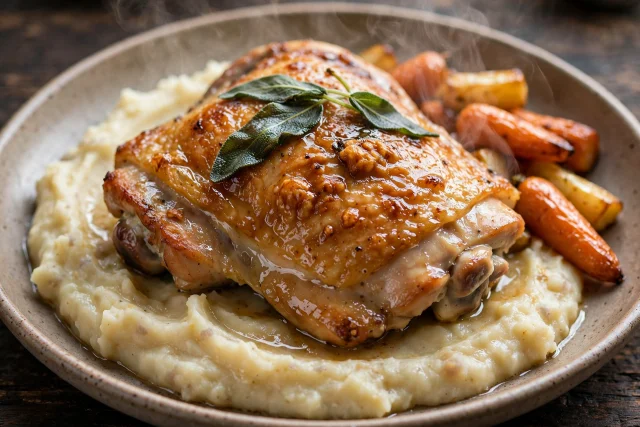
- Sage Chicken with Mashed Roots: A chicken thigh roasts with sage and olive oil and lands on soft mashed roots with carrots alongside. The mash soaks up the pan juices, so every bite stays moist enough to swallow comfortably.
Snacks:
- Whipped Ricotta with Blueberries and Ground Almonds: Ricotta loosened with a little milk and topped with soft blueberries and ground almonds. It takes two minutes, needs no chewing, and brings protein to the middle of the afternoon.
Day 2
Breakfast:
- Silky Egg Custard with Spinach: Beaten egg and warm stock steam into a soft custard with chopped spinach folded through. It is a Japanese breakfast that needs no chewing at all, and it brings protein early without heaviness.
Lunch:
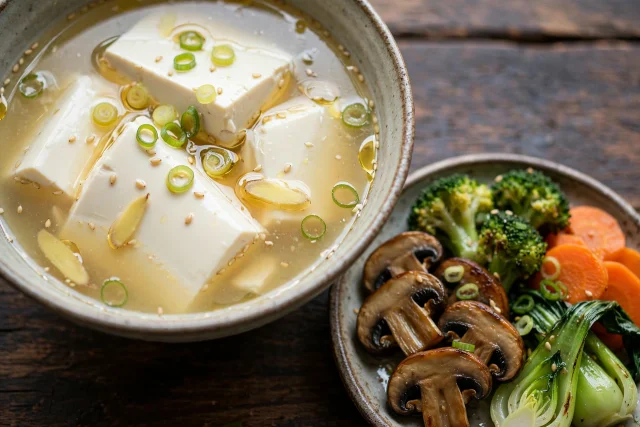
- Silken Tofu in Ginger Broth with Scallions: Silken tofu warms through in a light ginger broth with scallions and a drop of sesame oil. The tofu slides down easily, and the broth gives the salty savoury note without much sodium.
Dinner:
- Poached Cod with Soft Rice and Greens: Cod poaches gently in a lemony broth and sits on rice cooked soft enough to press with a fork, with spinach wilted alongside. Poaching keeps the fish tender, and the broth keeps the whole plate moist.
Snacks:
- Mashed Avocado on Soft Bread Fingers: Ripe avocado mashed with lemon and a pinch of salt, spread on soft bread cut into fingers. It is easy to hold and easy to chew, and the avocado brings the unsaturated fat the week is built on.

Day 3
Breakfast:
- Moong Dal Khichdi with Soft Carrots: Yellow moong dal and rice cook together with turmeric and soft carrots until the whole pot turns porridge like. It is the gentlest Indian breakfast there is, and it settles a stomach that has not wanted much.
Lunch:
- Smooth Green Pea and Spinach Soup: Peas and spinach simmer with leek and stock, then blend into a bright green soup with a swirl of yogurt. It is high in fibre and low in salt, and it tastes far better than it sounds.
Dinner:
- Mild Chicken Korma Stew with Soft Rice: Chicken simmers in a mild sauce of ground almonds, yogurt, and cardamom until it falls apart under a fork. The almonds thicken the sauce without cream, and the spice stays gentle enough for a sensitive palate.
Snacks:
- Stewed Mango with Cardamom Yogurt: Mango softens in a pan with a splash of water and cardamom, then spoons over thick yogurt. It is sweet without added sugar and cool enough to be welcome after a warm dinner.
Day 4
Breakfast:
- Rye and Blueberry Porridge: Rye flakes cook slowly into a nutty porridge with blueberries folded in at the end. Rye gives a deeper flavour than oats and enough fibre to keep the morning steady.
Lunch:
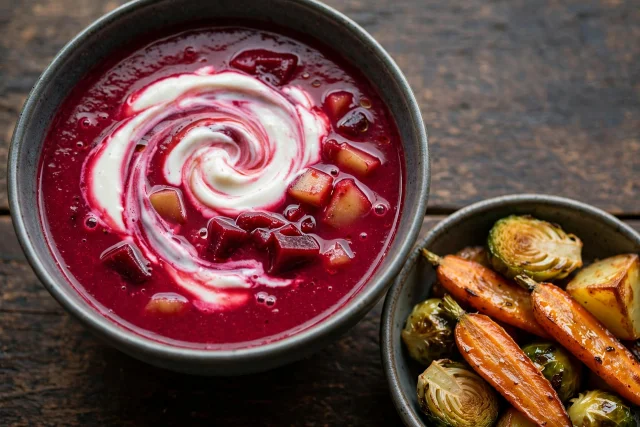
- Beetroot and Apple Soup with Yogurt: Cooked beetroot and apple blend with stock, a little ginger, and a spoon of yogurt on top. The colour alone lifts a dull afternoon, and the texture is as smooth as the lentil soup.
Dinner:
- Baked Haddock with Dill Mash and Peas: Haddock bakes in foil with lemon and dill, then lands on soft mash with crushed peas beside it. The foil keeps the fish moist, which matters when dry food is hard to manage.
Snacks:
- Bilberry Yogurt Cup: Thick yogurt layered with bilberry or blueberry compote and a spoon of oats on top. It is a small, soft snack for the hour before dinner when energy dips.
Day 5
Breakfast:
- Scrambled Eggs with Smooth Black Beans and Avocado: Soft scrambled eggs with black beans mashed smooth and a spoon of avocado on top. It brings protein and fibre together, and nothing on the plate needs chewing hard.
Lunch:
- Smooth Butternut and Lentil Soup: Butternut squash and red lentils cook until soft, then blend with a little cumin and orange zest. It is thick enough to feel like a meal and smooth enough for a day when swallowing is uncertain.
Dinner:
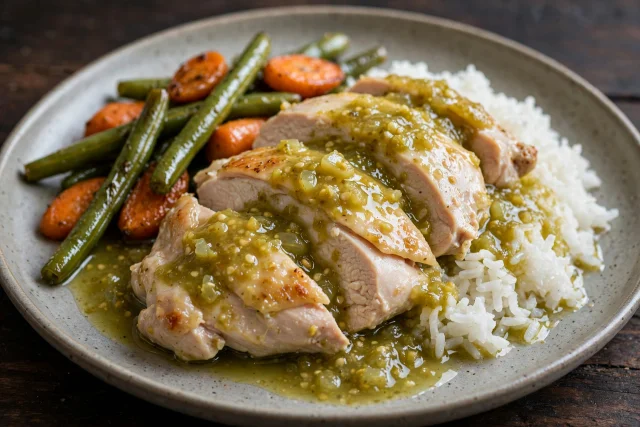
- Poached Chicken with Tomatillo Sauce and Soft Rice: Chicken breasts poach in stock, then get a bright tomatillo sauce and soft rice underneath. Poaching keeps the meat tender, and the sauce means no dry mouthfuls.
Snacks:
- Cinnamon Rice Pudding with Almond Milk: Rice cooks slowly in almond milk with cinnamon until it turns creamy and soft. It is comfort food that happens to be low in salt, and it makes a good evening snack.
Day 6
Breakfast:
- Pumpkin and Millet Porridge with Ginger: Millet cooks soft with pumpkin and a little ginger until it turns golden and spoonable. It is warming, low in salt, and gentle on a morning that starts slowly.
Lunch:
- Soft Tofu Stew with Spinach: Silken tofu simmers in a mild broth with spinach and a spoon of miso stirred in at the end. It is soft, savoury, and quick, and the miso brings flavour without needing extra salt.
Dinner:
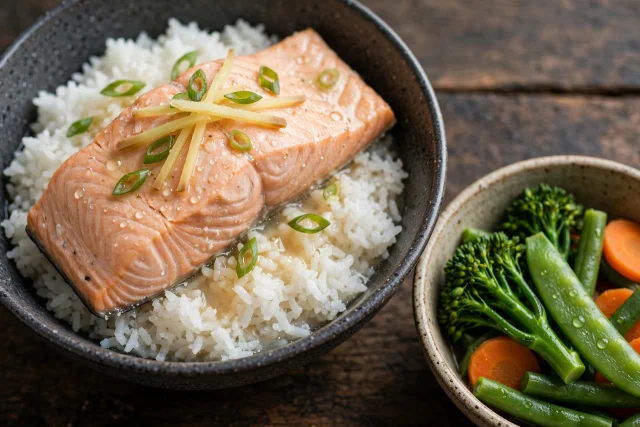
- Steamed Salmon with Scallion and Soft Rice: Salmon steams over simmering water with ginger and scallion, then flakes over soft rice with a little of the steaming liquid. Steaming keeps the fish moist and the omega 3 fats intact.
Snacks:
- Steamed Pear with Goji Berries: A pear steams with goji berries until it softens and turns fragrant. It is a warm, spoonable snack for anyone who finds cold fruit difficult.
Day 7
Breakfast:
- Warm Apple and Oat Pudding: Grated apple and oats bake into a soft pudding with cinnamon and a little milk. It eats like dessert for breakfast, and the oats bring the fibre the week leans on.
Lunch:
- Creamy Parsnip and Apple Soup: Parsnip and apple simmer with stock and a little milk, then blend into a pale, sweet soup. It is smooth, mild, and the kind of thing that goes down easily on a tired day.
Dinner:
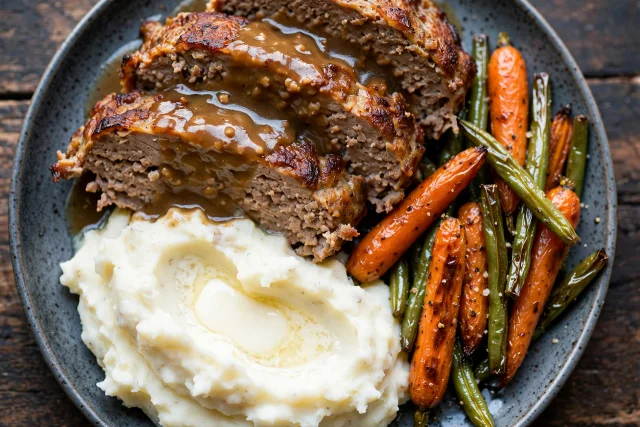
- Turkey Meatloaf Slices with Buttermilk Mash and Green Beans: A lean turkey meatloaf bakes in a loaf tin and slices into soft portions, with buttermilk mash and tender green beans alongside. It reheats well, which makes it the dinner to cook twice and keep.
Snacks:
- Banana and Walnut Soft Oat Cake: Mashed banana, oats, and chopped walnuts bake into a soft cake with no icing. A slice with tea is a gentle way to end the day, and the walnuts bring omega 3 fats.
Full Grocery List for Your Brain Health Meal Plan for Stroke Recovery
Everything below covers the twenty eight dishes in one main shop, plus a midweek stop for fish and soft fruit if your fridge runs warm. Buy stock and sauces with the lowest salt you can find, since those are where most of the hidden sodium in a week sits.
Proteins
- Fish and Seafood: Cod fillets, haddock fillets, and salmon fillets (the poached plate, the baked plate, and the steamed bowl).
- Poultry: Chicken thighs, chicken breasts, and lean turkey mince (the sage roast, the poached tomatillo plate, and the meatloaf).
- Eggs and Tofu: Eggs, silken tofu, and firm tofu (the custard, the scramble, the ginger broth, and the stew).
- Dairy: Ricotta, plain yogurt, milk, and buttermilk (the ricotta bowl, the korma, the soups, and the mash).
Vegetables
- Leafy Greens: Spinach and kale (the custard, the cod plate, the pea soup, and the tofu stew).
- Roots and Alliums: Potatoes, parsnips, carrots, beetroot, butternut squash, pumpkin, onions, garlic, ginger, scallions, and leek (the mash, the soups, the porridge, and the korma).
- Others: Peas, green beans, avocado, tomatoes, and tomatillos (the haddock plate, the meatloaf, the scramble, and the poached chicken).
Fruits
- Fresh Fruits: Blueberries, bilberries, apples, pears, bananas, lemons, oranges, and mangoes (the porridge, the yogurt cups, the puddings, and the stewed mango).
- Dried Fruits: Goji berries and a small bag of raisins (the steamed pear and the oat cake).
Grains and Bakery
- Oats and Flakes: Rolled oats, rye flakes, and millet (the breakfast bowl, the rye porridge, the pudding, and the millet pot).
- Rice and Pulses: Soft cooking rice, brown rice, red lentils, moong dal, green lentils, and black beans (the khichdi, the cod plate, the soups, the korma, and the scramble).
- Breads: One soft wholemeal loaf (the avocado fingers, which need bread that presses easily).
Dairy Alternatives and Refrigerated
- Milks: Almond milk and a little cow's milk (the rice pudding, the porridge, and the soups).
- Fridge Staples: Miso, tahini, and Dijon mustard (the tofu stew, the dressings, and the meatloaf).
Pantry, Nuts, and Flavorings
- Nuts and Seeds: Ground almonds, walnuts, ground flax, and sesame seeds (the ricotta bowl, the korma, the oat cake, and the breakfast bowl).
- Oils: Olive oil and a small bottle of sesame oil (the roasts, the soups, and the tofu broth).
- Spices and Flavorings: Cumin, cardamom, turmeric, cinnamon, ginger, sage, dill, and low salt stock (the whole week, with lemon doing the work salt usually does).
Easy Swaps for a Brain Health Diet After a Stroke
These five swaps answer the moments that come up in a recovery kitchen, from a day when swallowing feels uncertain to an evening when cooking feels like too much. Everything here comes from the grocery list above, so nothing sends you back out to the shop.
- When Swallowing Feels Uncertain: Blend the soup fully and swap the meatloaf for the korma, which falls apart under a fork. Smooth, moist food is safer than anything dry, and a speech therapist's texture advice always comes first.
- When Everything Tastes Bland: Reach for lemon, fresh herbs, and a little vinegar instead of more salt. Roast the vegetables a few minutes longer for sweetness, and the plate tastes seasoned without the sodium.
- When Cooking Feels Like Too Much: Make one pot of red lentil soup and one tray of mashed roots, then build two days from them. Both reheat gently, and neither needs watching at the stove.
- When Someone Wants Something Sweet: Serve the stewed mango with yogurt or a slice of the banana oat cake instead of a biscuit. Both are soft, low in added sugar, and still feel like a treat with tea.
- When Fish Is Not in the House: Use tinned sardines mashed into the soft rice, or add ground flax and walnuts to the porridge. The omega 3 fats still arrive, and neither needs a trip to the shop.
Getting Started With This Brain Health Meal Plan for Stroke Recovery
Start with the soups, because they are the backbone of the week and they freeze in single portions. Cook two on the first day you have help in the kitchen, portion them into small containers, and the hardest lunches of the week are already handled.
Then write the texture notes on the fridge, the way a speech therapist would, so anyone helping at mealtime knows what soft means in this house. Once the soups and the mash are in the fridge, the rest of this 7 day brain health meal plan for stroke recovery takes twenty minutes at the stove rather than an afternoon.
Keep exploring with our practical guide to caring for someone after a stroke, a long list of soft foods that go down easily, a gentle week for smaller appetites, a MIND style week for memory and brain health, and finding a speech therapist near you, alongside a longer plan for looking after your liver and a lower carb week worth a save.
This article is for information only and is not medical advice. Read our full disclaimer.