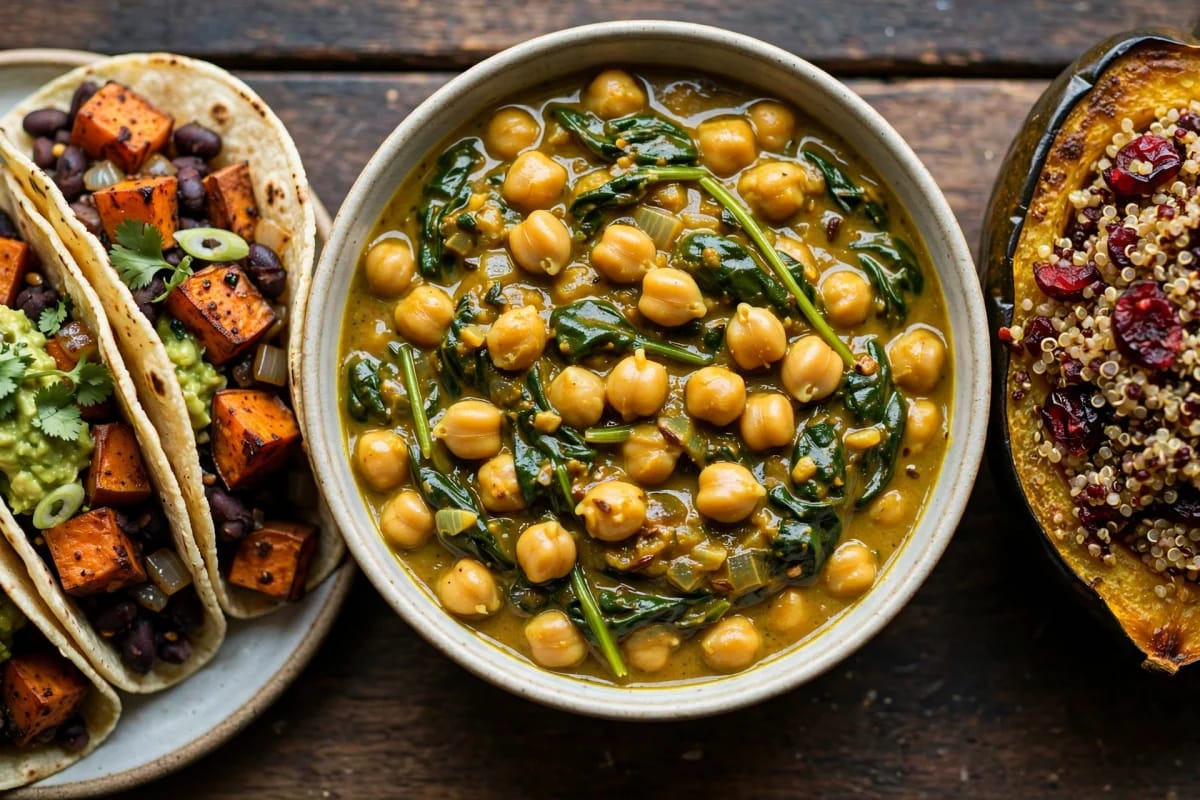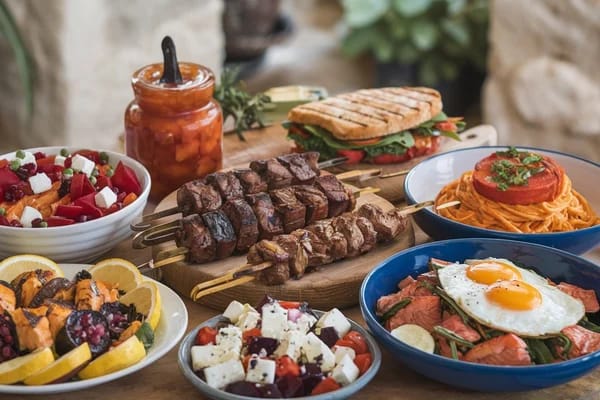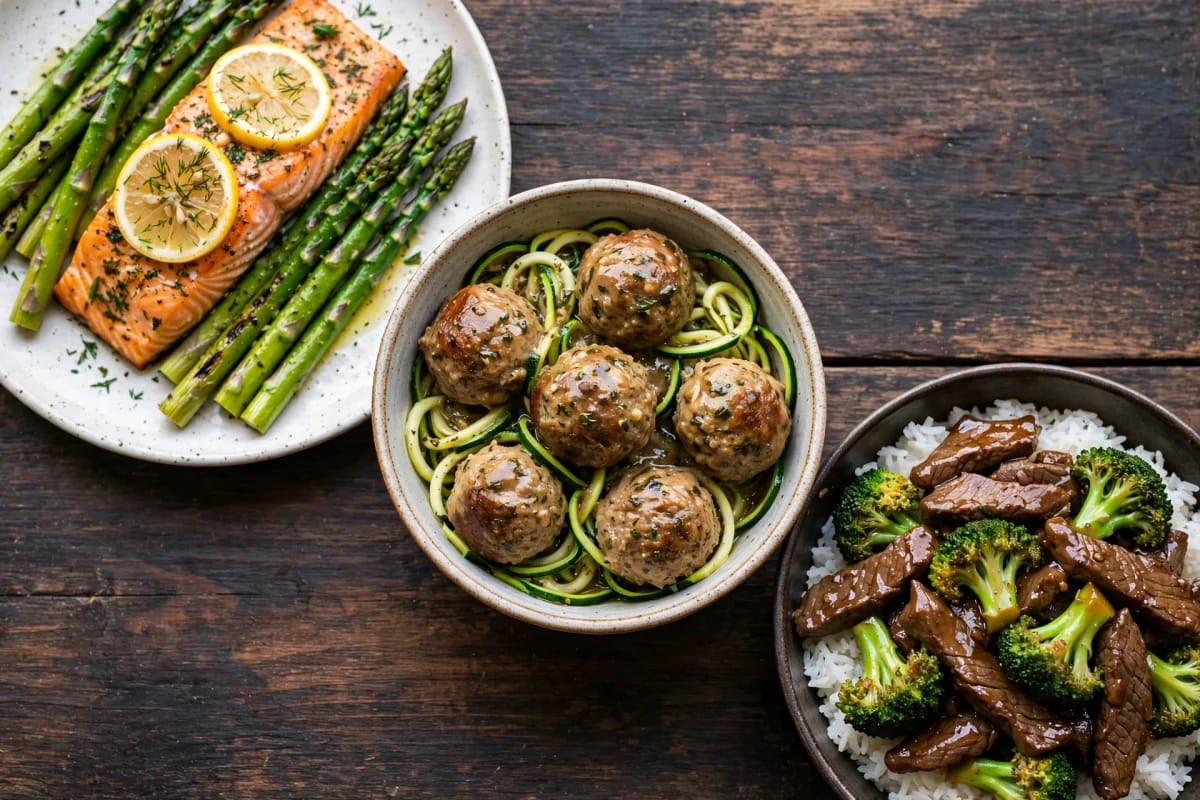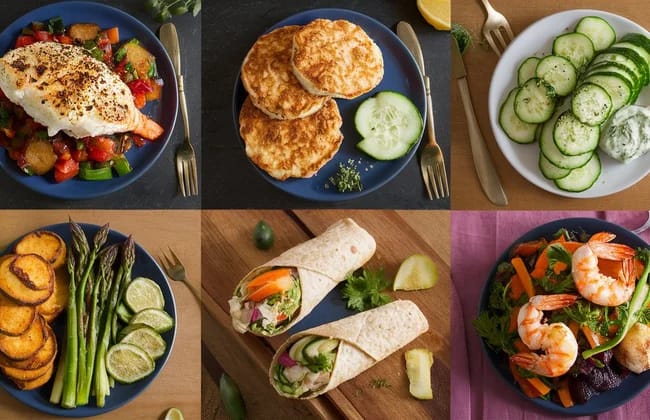
The kosher diet is a way of eating based on Jewish dietary laws, known as Kashrut. These laws determine which foods can be eaten, how food must be prepared, and which foods can be eaten together.
A 7 day beginner friendly kosher meal plan is a weekly eating plan that follows those laws. It includes breakfast, lunch, dinner, and snacks made with kosher ingredients and prepared according to kosher requirements.
This 7 day beginner friendly kosher meal plan can include fruits, vegetables, whole grains, legumes, eggs, fish, and kosher meat. It must also follow the rules for separating meat and dairy, which is the one rule that shapes every plate in the week below.
It suits anyone setting up a kosher kitchen for the first time, a household where one person has decided to try and everyone else is along for the ride, and cooks who would rather have the rules handled in advance than at the stove. If you are managing a health condition alongside kosher rules, your doctor and your rabbi own those decisions, not a menu.
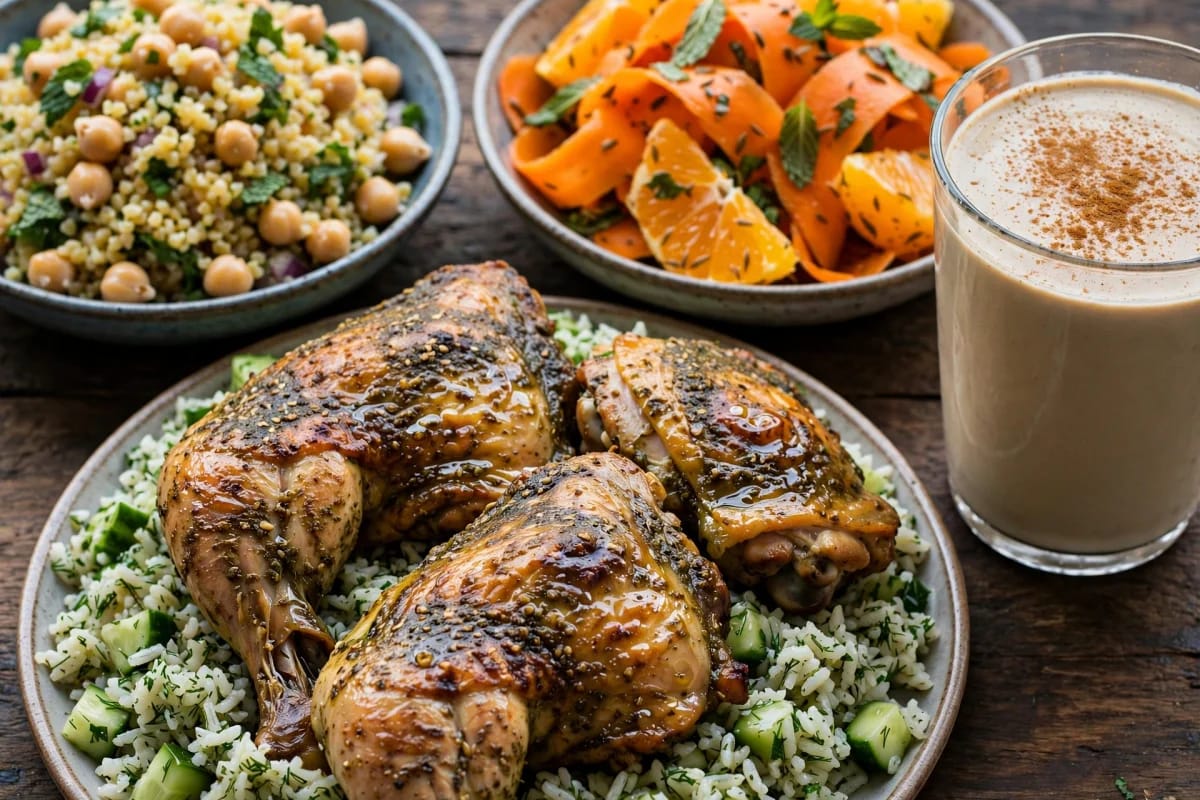
Picture za'atar roasted chicken with herbed rice, a bulgur salad heavy with chickpeas and mint, miso glazed salmon over bok choy, and a lamb tagine with green olives and preserved lemon. Seven cuisines, no repeated dinner, and not one plate that needs explaining to a guest who did not grow up with the rules.
Run the days in order on the first pass. The early days set the meat and dairy rhythm that the rest of the week leans on, and by day four the separation stops feeling like a restriction and starts feeling like the way the kitchen already runs.
Key Principles of a Kosher Diet
The key principles of a kosher diet are based on Jewish dietary laws, known as Kashrut. These laws explain which foods are permitted, how food must be prepared, and how different food groups should be handled.
1. Eat Permitted Animals
Only certain animals are considered kosher, and they must be slaughtered and prepared according to kosher requirements. Permitted animals include cattle, sheep, goats, and chickens prepared according to kosher requirements. Prohibited include pigs, rabbits, and other animals that do not meet kosher dietary criteria.
2. Choose Kosher Fish
Fish must have both fins and scales to be considered kosher, and that one check decides the whole seafood aisle. Permitted fish include salmon, tuna, sardines, cod, and tilapia. Prohibited include shrimp, crab, lobster, oysters, and catfish, since they fail the fins and scales test.
3. Separate Meat and Dairy
Meat and dairy products must not be cooked or eaten together, and this is the rule beginners trip over, so the week below plans each meal as one or the other from the start. Do not combine meat and cheese in the same meal. Use separate utensils, cookware, and dishes for meat and dairy according to kosher practice, and many households also wait a few hours between the two.
4. Treat Fish as Neutral
Fish is generally treated as pareve, which means it sits outside the meat and dairy line. Salmon and cod can sit beside dairy or follow meat, which is why fish nights reset the palate between meat days.
5. Avoid Blood
Jewish dietary laws prohibit consuming blood. Kosher meat must undergo prescribed slaughtering and processing procedures to remove it, which is why a trusted supplier matters more than the cut.
6. Follow Proper Food Preparation
Even permitted foods are not kosher if they are prepared incorrectly. Meat must be slaughtered and processed according to kosher requirements, meat and dairy need their own equipment, and food must not touch prohibited ingredients or contaminated surfaces.
7. Check Ingredients and Certification
Packaged foods can hide animal derived ingredients, gelatin, or processing aids that do not meet kosher requirements. Look for a reliable kosher certification, read the ingredient label, and keep one short list of brands instead of reading every label twice.
8. Eat Permitted Plants Freely
Most fresh fruits, vegetables, grains, nuts, and legumes are naturally kosher when properly prepared. Wash produce well, check leafy greens for insects, and make sure processed versions carry certification.
9. Avoid Prohibited Seafood and Pork
Pork, shellfish, and meat from animals that do not meet kosher requirements stay out entirely, along with any product containing non-kosher ingredients. When in doubt, leave it out.
10. Remember What Kosher Is
Kosher is a religious standard, not a diet for weight loss. It does not require calorie restriction or avoiding sugar, and during Passover additional restrictions apply, since many communities avoid chametz. Specific practices vary among Jewish communities.
Your 7 Day Beginner Friendly Kosher Meal Plan Overview
This 7 day beginner friendly kosher meal plan features easy recipes and the diet's named foods leaning on eggs, fish, grains, and vegetables, carrying the foods that keep meat and dairy apart, and it is perfect for beginners and busy families.
Day 1
Breakfast:
- Sabich Plate with Eggplant, Egg, and Tahini: Roasted eggplant and a jammy egg sit on warm pita with cucumber, tomato, and tahini loosened with lemon. It is a Tel Aviv breakfast that happens to be pareve, so the morning stays flexible before a meat dinner.
Lunch:
- Bulgur Salad with Chickpeas and Mint: Chewy bulgur tossed with chickpeas, cucumber, tomato, and a heavy hand of mint in lemon and olive oil. It improves overnight, which makes this the lunch to double on day one and eat again the next day.
Dinner:
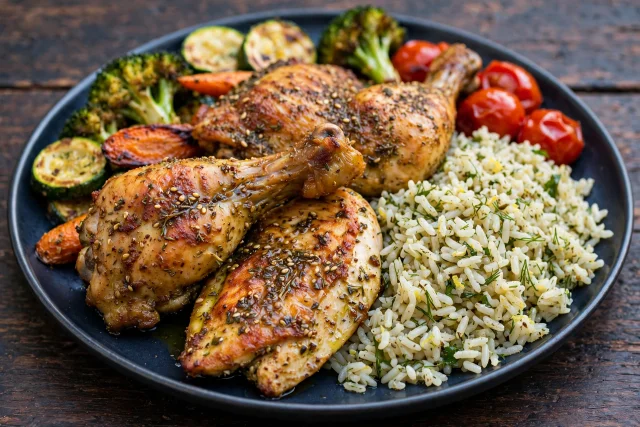
- Za'atar Roasted Chicken with Herbed Rice and Cucumber Salad: Chicken thighs rubbed with za'atar and olive oil, roasted skin side up until the skin crisps, with rice steamed in the pan juices and a cool cucumber salad alongside. One tray, one oven, and no dairy anywhere near the plate.
Snacks:
- Tahini Date Shake: Dates blended with tahini, ice, and oat milk until thick enough to hold a straw. It reads like a milkshake, stays pareve, and carries the afternoon better than a biscuit on a day that started early.
Day 2
Breakfast:
- Yogurt with Thyme Honey and Walnuts: Thick plain yogurt under a spoon of thyme honey and a scatter of toasted walnuts. It takes two minutes and gives the morning its dairy before the kitchen turns over to meat at midday.
Lunch:
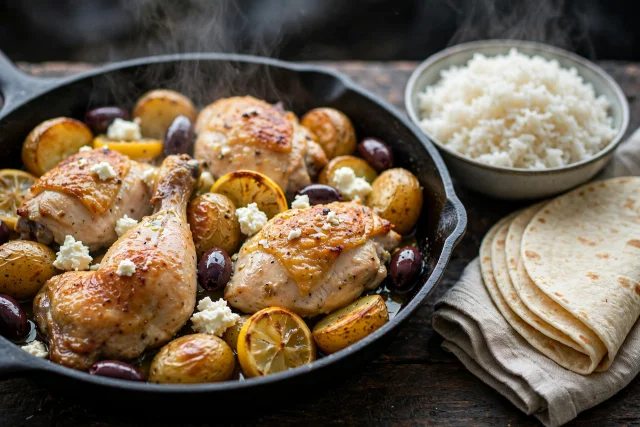
- Greek Lemon Chicken and Potatoes: Chicken pieces roasted with potato wedges in lemon, oregano, and olive oil until the edges catch. The pan does the work, and the leftovers are just as good cold the following day.
Dinner:
- Baked Cod with Ladolemono: Cod fillets baked briefly and dressed with lemon, olive oil, and oregano whisked into a loose sauce. Fish counts as neutral, so this is the night that resets the palate between two meat days.
Snacks:
- Halva and Almond Bites: Sesame halva broken into pieces with toasted almonds beside it. Two bites are enough, it keeps without a fridge, and it is the snack that survives a handbag.
Day 3
Breakfast:
- Ginger Rice Porridge with Scallions: Leftover rice simmered in stock with ginger until it turns soft and savoury, finished with scallions and a drop of sesame oil. It is the gentle breakfast for a morning that starts too early or a stomach that wants something plain.
Lunch:
- Cold Soba with Cucumber and Ginger: Chilled soba tossed with cucumber ribbons, ginger, rice vinegar, and a little soy. It eats like a light lunch on a warm day and needs no cooking beyond boiling the noodles.
Dinner:
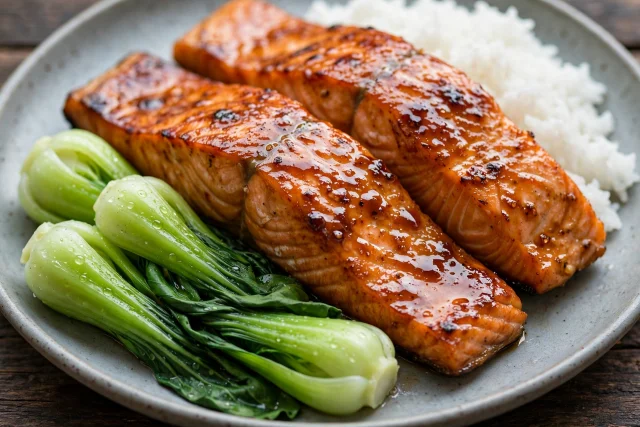
- Miso Salmon with Bok Choy: Salmon brushed with miso and mirin, roasted until the glaze caramelises, with bok choy steamed in the same tray. Deep savoury flavour, no dairy, and a dinner that looks far more effortful than it was.
Snacks:
- Matcha Almond Energy Bites: Dates, almonds, oats, and matcha blitzed and rolled into small balls. They keep five days in the fridge and give the late afternoon a small, steady lift instead of a crash.
Day 4
Breakfast:
- Semolina Griddle Bread with Honey and Sesame: A soft semolina dough pressed flat and cooked on a dry pan, then brushed with honey and sesame. It is the slowest breakfast of the week, warm and slightly sweet, and it uses no dairy at all.
Lunch:
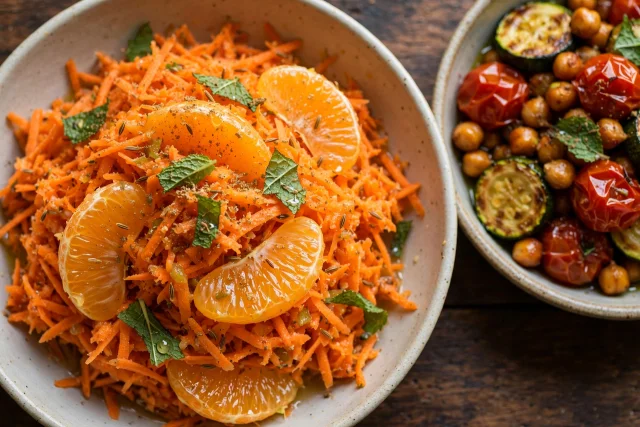
- Carrot and Orange Salad with Cumin and Mint: Grated carrot and orange segments dressed with lemon, cumin, and torn mint. Bright, sharp, and exactly what a rich dinner later in the day needs in front of it.
Dinner:
- Lamb Tagine with Green Olives and Preserved Lemon: Lamb shoulder braised slowly with onion, ginger, saffron, olives, and preserved lemon until it gives way under a spoon. The long cook is the point, and the house smells like it for hours.
Snacks:
- Dates with Almond Butter and Sea Salt: Medjool dates split and filled with almond butter, then finished with flaky salt. Three of them deal with a sweet craving without opening anything that needs washing up.

Day 5
Breakfast:
- Sweet Potato and Poblano Hash with Eggs: Sweet potato and poblano pepper fried until the edges brown, with eggs cracked in and covered until just set. It is a proper breakfast for a slower morning and it holds until lunch without a snack.
Lunch:
- Charred Corn and Zucchini Tacos: Corn and zucchini charred in a hot pan, piled into warm tortillas with salsa, lime, and coriander. Keep the cheese off and the whole plate stays neutral, which leaves dinner free to be meat.
Dinner:
- Chicken Thighs with Tomatillo Salsa and Rice: Chicken thighs simmered in a sharp tomatillo and green chilli salsa until tender, spooned over rice. The sauce is the whole dish, and it comes together in one pan on a weeknight.
Snacks:
- Mango with Chilli and Lime: Ripe mango sliced and dusted with chilli powder and lime juice. It is a two minute snack that tastes like a market stall and costs almost nothing when mango is in season.
Day 6
Breakfast:
- Poha with Peanuts and Lime: Flattened rice rinsed and stir fried with mustard seed, turmeric, peanuts, and lime. It cooks in eight minutes, which makes it the fastest breakfast of the week and the one to keep for a rushed morning.
Lunch:
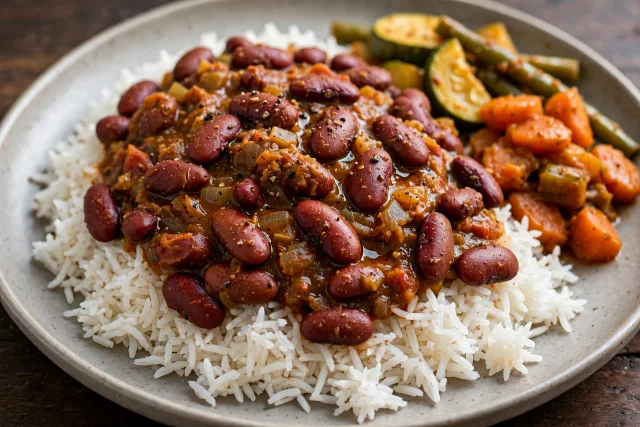
- Rajma Masala: Kidney beans simmered in a tomato and onion masala until the sauce thickens and clings. Made with oil instead of ghee it stays pareve, and it tastes better on the second day than the first.
Dinner:
- Saag Paneer with Cumin Rice: Spinach wilted down with ginger and garlic, then folded with cubes of paneer and a spoon of cream. This is the dairy dinner of the week, and it earns the slot.
Snacks:
- Mango Lassi: Yogurt, ripe mango, and a pinch of cardamom blended until smooth. It is thick enough to feel like dessert and cool enough to be welcome after anything spicy.

Day 7
Breakfast:
- Ricotta Toast with Honey and Pistachios: Good bread toasted, spread thick with ricotta, and finished with honey and chopped pistachios. A dairy breakfast that feels like a treat and takes less time than making coffee.
Lunch:
- Pasta e Ceci: Chickpeas and small pasta cooked together in a tomato and rosemary broth until the whole pot turns thick and stew-like. Leave the parmesan off and it stays pareve, which keeps the last dinner of the week open.
Dinner:
- Chicken Scarpariello with Vinegar Peppers: Chicken pieces browned and finished in a sharp sauce of vinegar peppers, garlic, and rosemary, with roasted potatoes beside it. The vinegar cuts through a week of rich food and closes the week on a bright note.
Snacks:
- Lemon Olive Oil Cake with Almonds: A small olive oil cake scented with lemon and topped with toasted almonds. One slice with tea is the right end to the week, and the rest keeps for three days.
Full Grocery List for Your Beginner Friendly Kosher Meal Plan
Everything below covers the twenty eight dishes in one main shop, with a midweek stop for fish and yogurt if your fridge runs warm. The list is deliberately short, because a kosher week works best when the kitchen holds only what the menu actually uses.
Fruits
- Soft and Ripe: Bananas, Medjool dates, and ripe mangoes (the shake, the almond butter snack, the lassi, and the chilli mango).
- Citrus: Lemons, oranges, and limes, more lemons than you think (the dressings, the salad, the cod, and the cake).
Vegetables
- Roots and Alliums: Sweet potato, potatoes, carrots, onion, garlic, and ginger (the hash, the tagine, the masala, and the porridge).
- Greens and Peppers: Spinach, bok choy, cucumber, courgette, poblano, and green chilli (the saag, the salmon tray, the salad, and the tacos).
Proteins
- Poultry: Chicken thighs and one whole chicken jointed (day one, day two, day five, and day seven).
- Fish and Seafood: Cod fillets and salmon fillets (buy these on the day you cook them).
- Plant and Egg: Paneer, eggs, chickpeas, and kidney beans (the sabich, the pasta, the rajma, and the saag).
Grains and Bakery
- Rice and Noodles: Basmati rice, short grain rice, soba noodles, and flattened rice (the porridge, the pulao, the cold noodles, and the poha).
- Bread and Pasta: Pita, one good loaf, semolina, small pasta, and corn tortillas (the sabich, the toast, the griddle bread, the pasta e ceci, and the tacos).
Dairy and Refrigerated
- Yogurt and Cheese: Plain yogurt, ricotta, and paneer (the thyme honey bowl, the lassi, the toast, and the saag).
- Fats for Cooking: Unsalted butter for the dairy mornings only, kept on its own shelf and never on a plate that also holds meat.
Pantry, Oils and Flavorings
- Oils and Vinegar: Olive oil, sesame oil, rice vinegar, and white wine vinegar (every roast, the soba, and the scarpariello).
- Spices and Pastes: Za'atar, cumin, turmeric, mustard seed, cardamom, saffron, miso, tahini, honey, and preserved lemon (the whole week).
- Nuts and Seeds: Walnuts, almonds, pistachios, peanuts, and sesame (the snacks and the finishes).
Easy Kosher Diet Food Swaps for Busy Nights
Cravings turn up even on a careful week, and these five swaps keep the shape of what you want without breaking the separation. Each one answers a moment rather than a food, and everything on it comes from a shelf the list above already covers.
- When You Want Something Crisp: Reach for cucumber spears, radish, or a plain rice cake instead of a salad loaded with dressing. The crunch arrives without dragging dairy into a meat night.
- When Dinner Needs to Be Faster: Swap the tagine for pan seared chicken thighs with the same olives and preserved lemon stirred through at the end. You lose the long braise and keep the flavour profile.
- When You Miss a Big Weekend Lunch: Build it from a bean dish, rice, and two salads rather than doubling the meat. Volume comes from the pareve side, which is also what keeps the meal affordable.
- When Breakfast Feels Repetitive: Trade the yogurt bowl for the semolina griddle bread and keep the honey. Same sweetness, no dairy, and it opens the day for a meat lunch if the week shifts.
- When You Need More Protein: Add a jammy egg to the bulgur salad or a spoon of tahini to the porridge. Both slip in quietly and lift the day without touching the meat and dairy line.
Getting Started With This Beginner Friendly Kosher Meal Plan
Start with the shopping list and buy the meat last. That single habit keeps the fridge organised, because the dairy sits on one shelf and the meat on another and nothing has to be rearranged at seven in the evening.
Cook double on day one and day six. The bulgur salad and the rajma both improve overnight, so the second portion is not leftovers so much as the next day already handled.
Write the separation on the fridge door for the first week. Dairy before dinner, meat at dinner, pareve anywhere, and after seven days you will not need the note.
Keep exploring with our faith-shaped weeks of simple meals, fish-forward days that skip meat entirely, plant-only cooking for neutral plates, bowl dinners built on vegetables and grains, and calmer evening eating for easier nights, alongside a beginner plant-based week worth a save and a longer faith-led plan for the month ahead.
This article is for information only and is not medical advice. Read our full disclaimer.